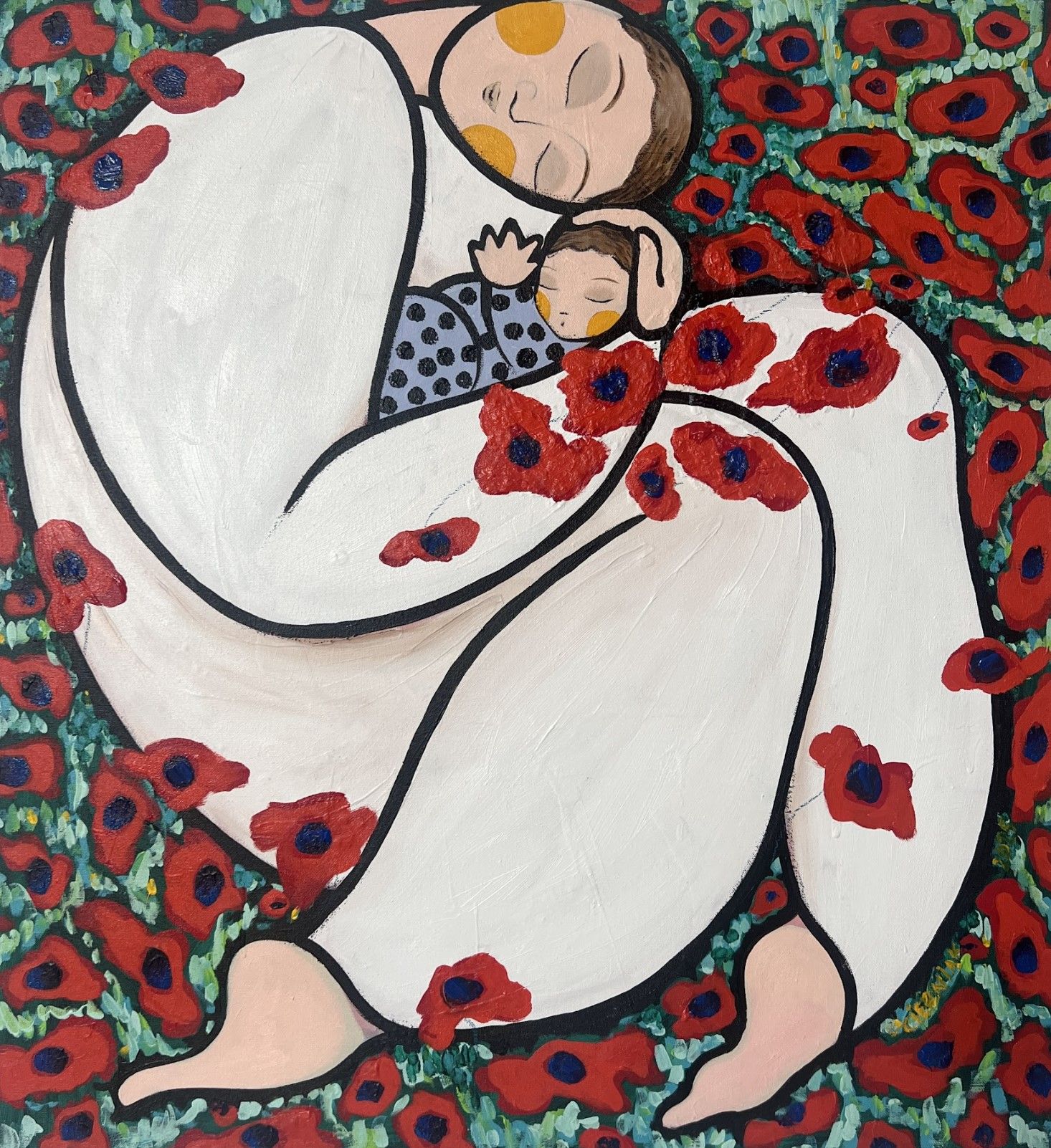
Inside Our Mother’s Kitchen
‘Mosaic Floor Panel Depicting an Almond Cake,’ Roman, 100 CE – 200 CE. Roman houses were frequently adorned with wall paintings and floor mosaics depicting food to convey to visitors about the owner’s wealth and hospitality as well as about the quantity and variety of goods available in the house. Stone, mortar. 27 x 27 × 6.4 cm. Credit: Gift of Lynn Hauser and Neil Ross. Source: The Art Institute of Chicago.
Well, as someone who has traveled, I can still say that my mother’s cooking is the best — or special at any rate. More so, I think we all travel back in time whenever we bite into a dish made by the loving hands of a parent.
The recipe of that “special” dish, if it even exists, invariably always has vague measurements—“a handful of this,” “a pinch of that, until it feels right.” The saucepan is the same one mother used for decades, its bottom slightly warped and its edges cracked. And yet, when that oh-so-familiar and magical aroma begins to waft throughout the house, it no longer feels like dinner is being prepared, but rather summoned.
No matter how old one gets, it takes a childhood dish prepared by a parent to bring back fond and tasty memories of a time when we shared a meal with loved ones and ate without concern for our weight or figure or how much time we spent eating at the table..
We often fail to recreate the recipe of that special dish (potato salad with pickles in my case) as there is always something missing; that special magic ingredient only a loving parent knows to add. Almost like an alchemist in the kitchen, they add some unmeasurable ‘dash’ of love that makes all the difference.
During special occasions, children in the Middle East would be treated with either a slew of sugary sweets, such as bowls of jelly and creme caramel, lop-sided birthday cakes, cookies or hot chocolate; or perhaps a favorite pasta with that thick white sauce (Béchamel) that got sticky and hard, gloriously lumpy mashed potatoes, over-cheesed pizza, or stews that suspiciously looked like a mix of yesterday’s leftovers.
Nothing beats the ‘Everything Is Okay’ Soup, which varies from house to house: chicken noodle, vegetable pasta, peas and carrots, and everything in between. It is never about the illness it is meant to cure, but the comforting scent, the sound of the spoon gently clinking against the bowl as your parent stirs and blows on it, and the unforgettable salty taste of the dish.
I personally would kidnap those fresh potato perogies (traditional Slavic dumplings), stuff them in my pocket and escape to my room before anyone discovered that out of the 15 pieces, five were missing.
So, what is that special dish you associate with home?
Not all have been privileged to have a loving parent stand at that stove, cooking, tasting, adding seasoning, adjusting, all with you in mind. That care is the rarest, most nourishing ingredient of all.
So, we chase these tastes for the rest of our lives. We try to replicate them and find, frustratingly, that our own attempts, even with the same ingredients, lack that specific magic.
The secret, we eventually realize, was not in the pot. It was in the person holding the spoon.
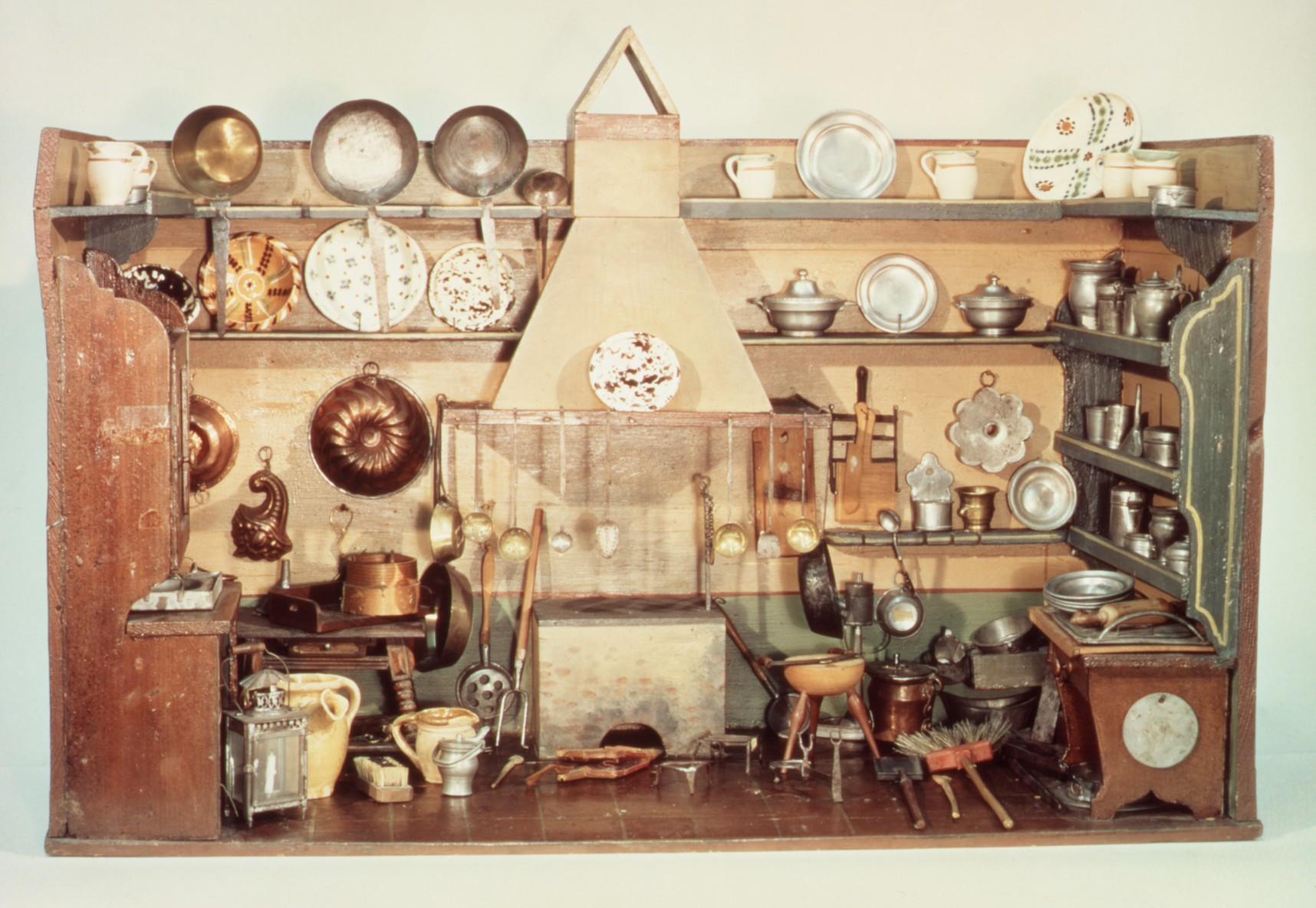
‘Toy Kitchen,’ 1830–80. Possibly made in Germany or the United States. Wood, metal, ceramics. 43.2 x 73.7 x 35.2 cm. Credit: The Sylmaris Collection, Gift of George Coe Graves. 1930. Source: The Metropolitan Museum of Art.