Melodies of Peace
'Lullaby,’ by Alvar Cawén. 1921. Courtesy of The Finnish National Gallery.
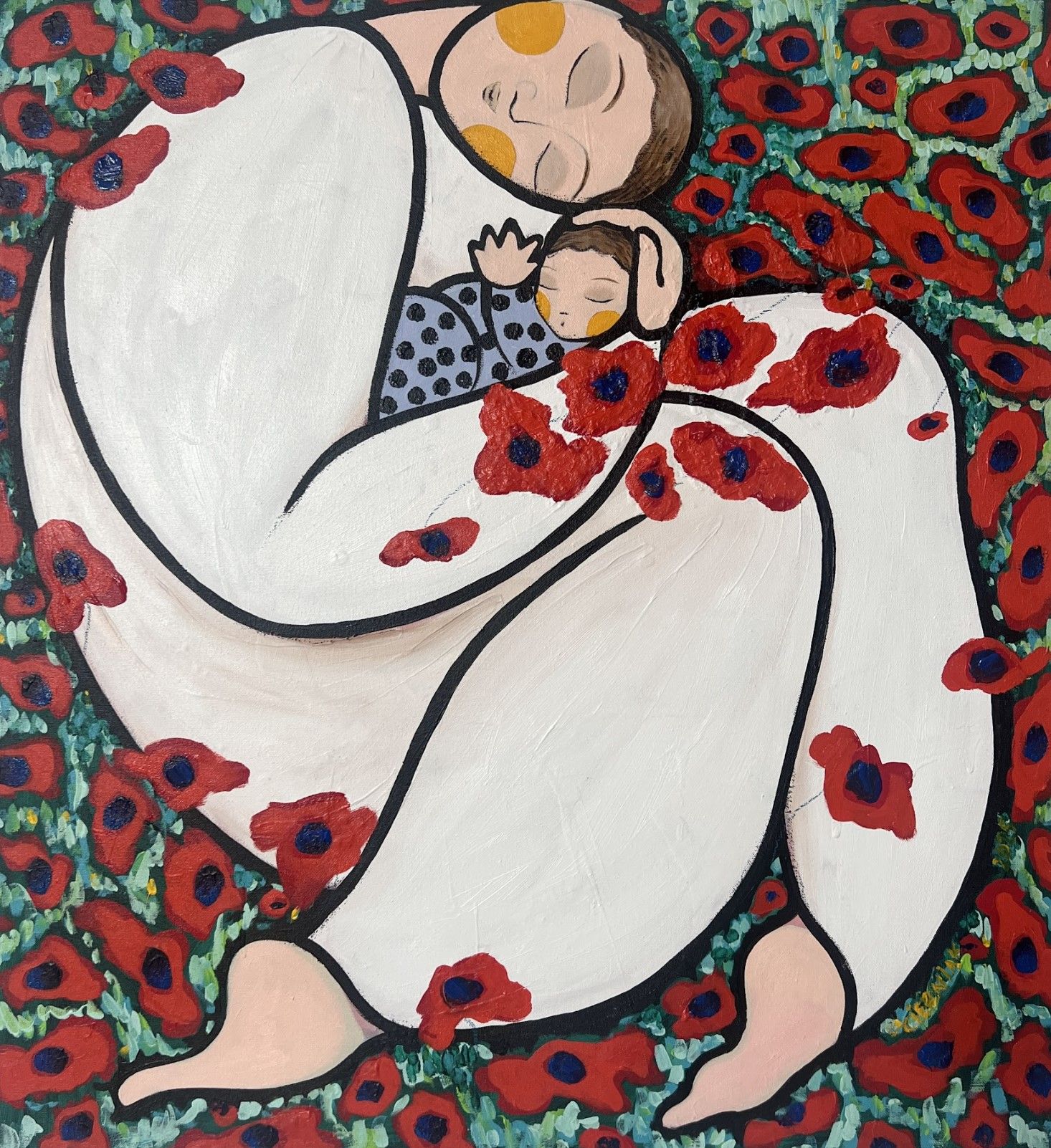
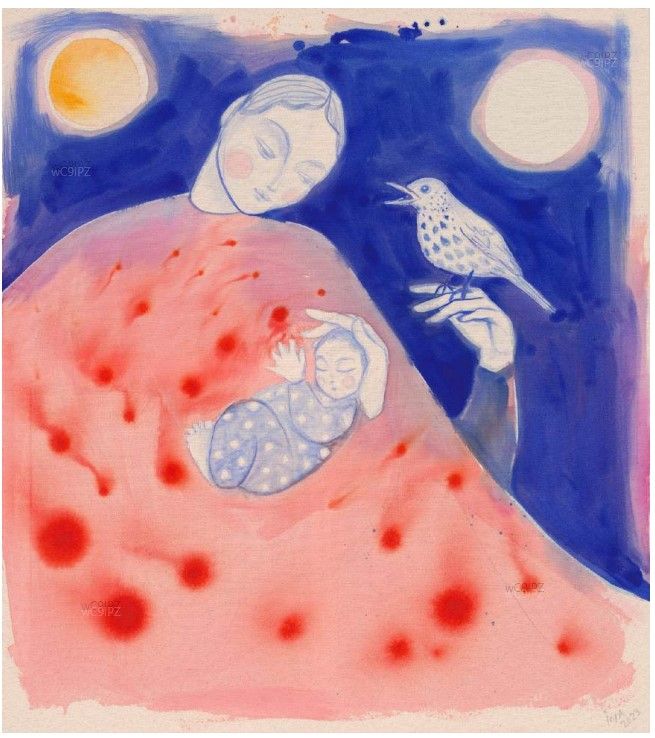
Wherever night falls and darkness settles in, you can be sure to find mothers humming lullabies to their children. After a long day, a gentle melody carried in a warm voice is often all a mother and child need.
Lullabies are more than simple songs passed down from one generation to the next. They create a deep, wordless connection. Long before a child falls asleep, the melody itself becomes a source of comfort and safety. Some lullabies are old and familiar, while others are made up in the moment, shaped by love and instinct.
Even when she is exhausted, a mother somehow finds the tenderness to sing. She chooses her words gently, and little by little, the child relaxes, listening to the rhythm of her voice, until sleep quietly carries them away.
In a previous issue, Ithraeyat had published an Arabic article on lullabies, Songs of Tenderness. In this issue, we continue our journey by exploring lullabies from around the world.
Despite differences in language and accent, lullabies share striking similarities across cultures. Many speak of the stars and the moon and offer gentle blessings to protect the child. But, some lullabies take a different tone. This Russian lullaby, for example, weaves in elements of fear and warning, revealing another emotional layer within this universal tradition.
Hush-a-bye, hush-a-bye, don’t lie on the edge.
A little gray wolf will come,
he’ll grab you by the side and drag you to the forest,
under the willow bush.
Hush-a-bye, hush-a-bye, you, little child, fall asleep.
Meanwhile, this Chinese lullaby feels much gentler, softly soothing the child and wrapping them in reassurance.
The moon is bright, the wind is quiet,
The tree leaves hang over the window.
My little baby, go to sleep quickly,
Sleep, dreaming sweet dreams.
The moon is bright, the wind is quiet,
The cradle moves softly.
My little one, close your eyes,
Sleep, sleep, dreaming sweet dreams.
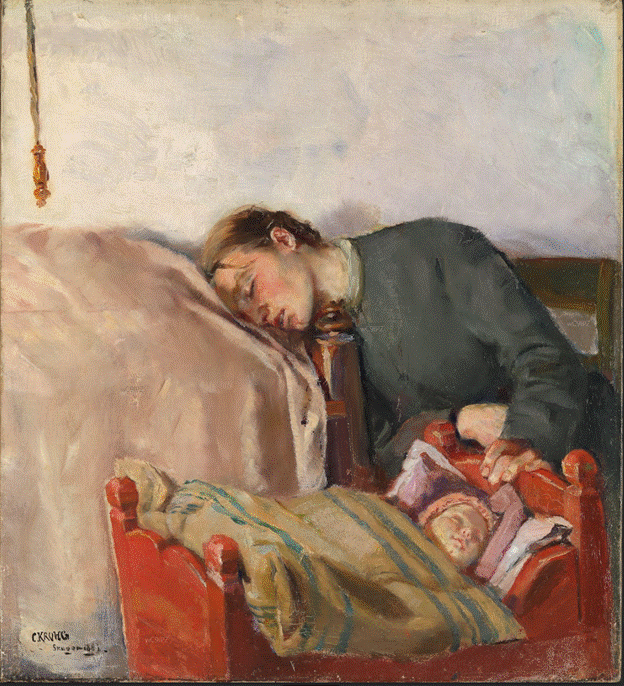
‘Mother and Child,’ by Christian Krohg. 1883. Courtesy of National Museum of Art, Architecture and Design.
Next, we explore an Italian lullaby, whose gradual, flowing rhythm brings to mind our local chant “Doha Ya Doha”, in the way the words rise and layer softly.
Lullaby, lullaby, to whom shall I give this baby?
I’ll give him to the boogeyman who’ll keep him a whole year.
I’ll give him to the Befana who’ll keep him a week.
I’ll give him to the ox and donkey who’ll make him pitiful.
Lullaby, lullaby, to whom shall I give this baby?
And of course, we can’t forget the beloved Arabic song by Mohammed Fawzi which many have turned it into a lullaby. Sung in the Egyptian dialect, it carries a simple, joyful warmth that makes it feel close to the heart.
Mama is coming soon
she will be coming very soon
bringing toys and stuff.
Bringing with her a bag
which holds a goose and a duck
saying: ‘quack quack quack.’
In the end, no matter how different the words may be, lullabies are the first sweet melody we ever hear. They stay with us, quietly living in our hearts, until one day we find ourselves singing them again to the next generation.