Edition #31

Edition #30

Edition #29

Edition #28
Edition #27

Edition #26

Edition #25

Edition #24

Edition #23

Edition #22
Edition #21

Edition #20

Edition #19

Edition #18

Edition #17

Edition #16

Edition #15

Edition #14

Edition #13

Edition #12

Edition #11

Edition #10

Edition #9

Edition #8

Edition #7

Edition #6

Edition #5

Edition #4

Edition #3

Edition #2

Edition #1
4 minutes read
December 30, 2026
“I look out like a balcony on what I want.”
Poet Mahmoud Darwish
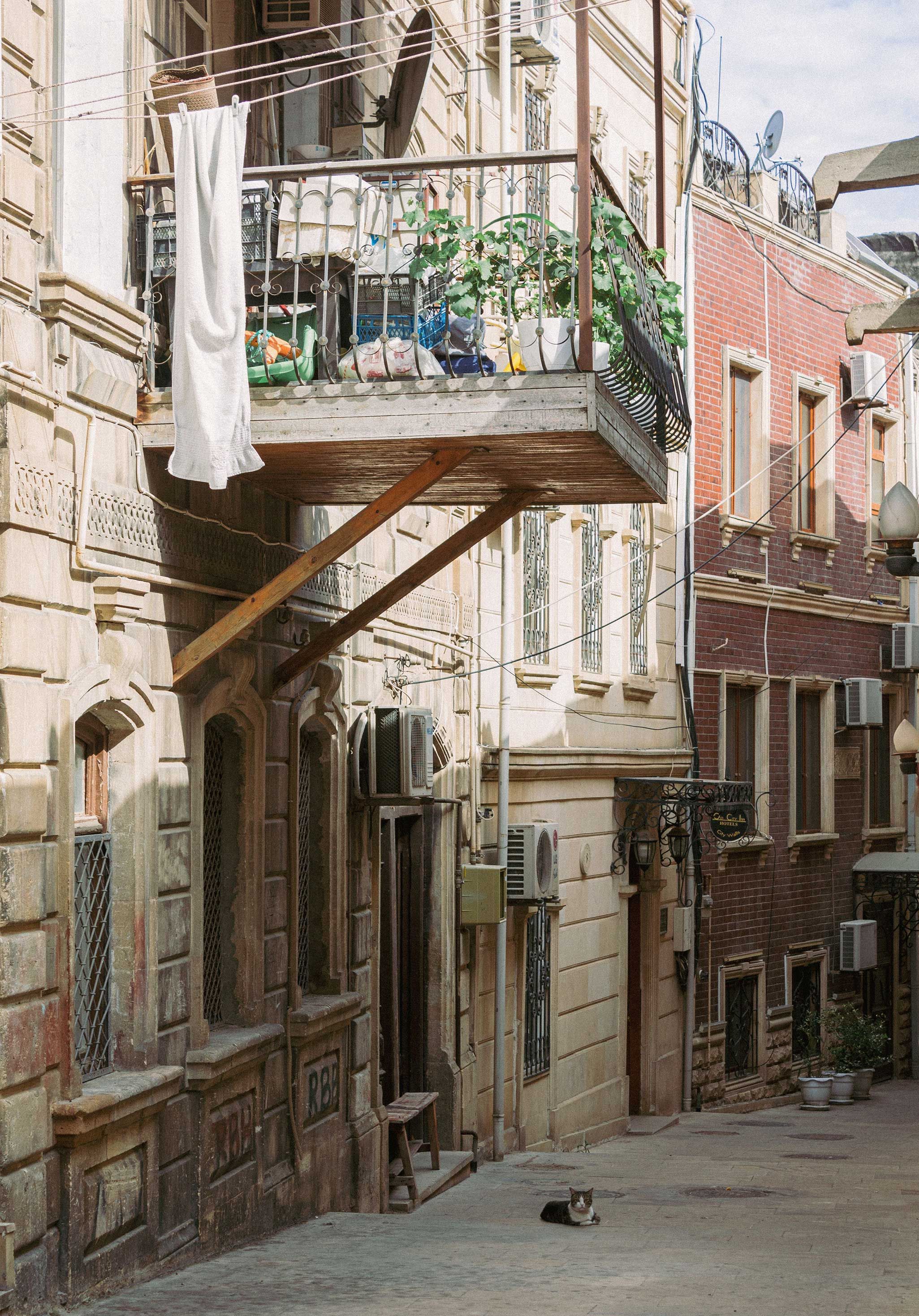
In Darwish’s words, "I look out like a balcony on what I want", the balcony embodies freedom, will and culture. Its significance extends beyond its physical function, becoming a symbolic threshold where a person’s inner world intersects with their external surroundings. Here, we are both observers and observed; even as we look out, others look back at us.
Amidst gazes cast outward toward an open horizon, gazes directed at the balcony and others peering down from above, there are stories of emotions, anxieties, and desires. Stories that have filled books, adorned walls, and swelled into a roar that paved the way for major historical transformations. They invite us to ask: What do we see of the world when we look out from a balcony? What might we discover when we observe one from below? And how does a balcony shape the way we live?
We have long found in this small space a gateway to some of the most beautiful stories ever told and paintings ever created.
In art, balconies occupy a space between the shadows of home and the light of the outside world. Through the interplay of color and perspective, they evoke a range of feelings and experiences: companionship, anticipation, longing, solitude, and togetherness. For the painter, the balcony offers more than an architectural backdrop. It allows artists to place us alongside their subjects, inviting us to inhabit their space and share in their emotions.
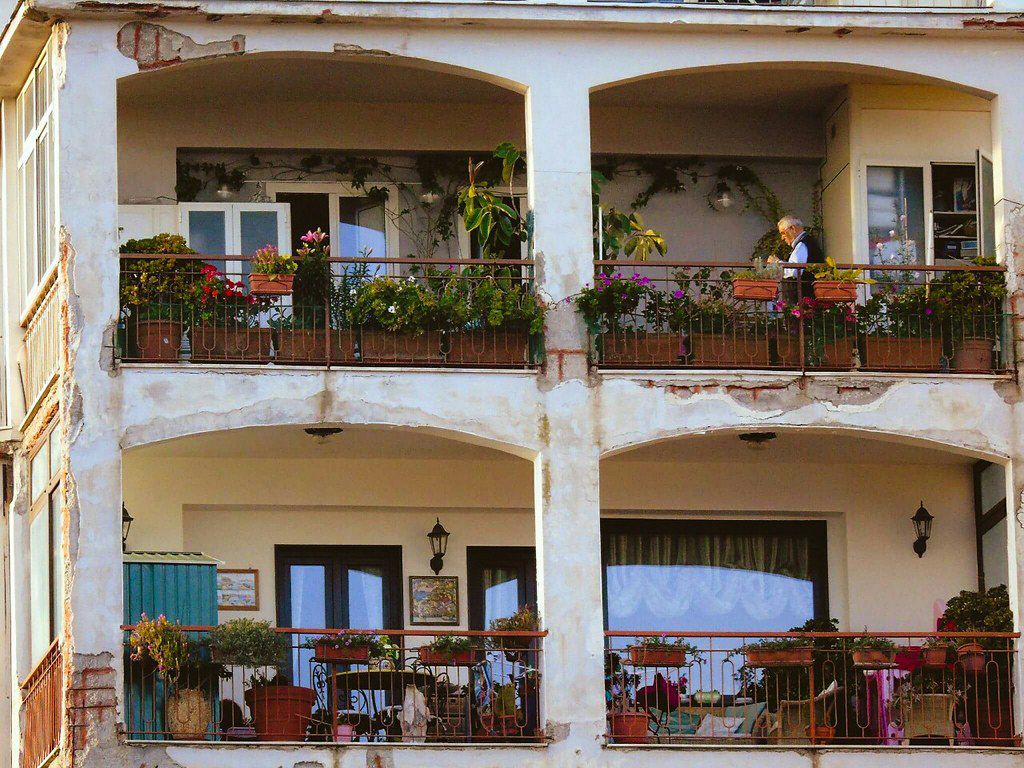
‘Balcony.’ Roberta Ricciardi. 2016. Source: Flickr.
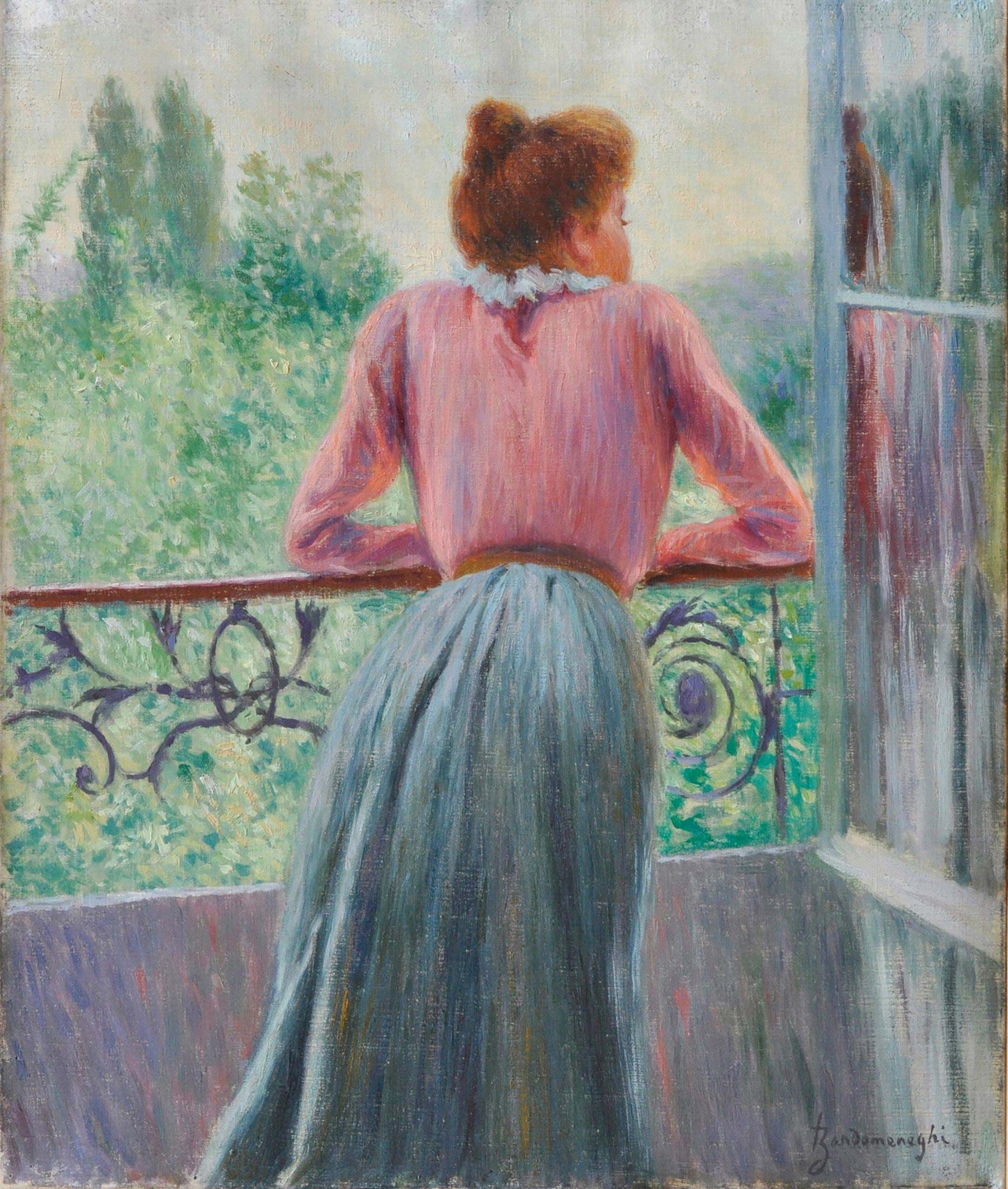
‘Woman on the Balcony.’ Federico Zandomeneghi. 1967. Source: La Società di Belle Arti of Italy.
In this painting, a woman turns her back to the interior and leans against the railing, gazing out at the greenery, as if immersed in the most beautiful kind of waiting. The artist conceals her expression, leaving us to imagine her state of mind through her posture alone. The moment may be private, yet there is something familiar about it. Have we ever found ourselves standing just like her?
A similar scene unfolds in Schrimpf’s painting, though this time the contemplative figure is joined by a companion standing near the door. They share the same space, yet each is free to lose herself in her own thoughts. This silence can be interpreted as a comfortable form of companionship, much like the quiet that settles over a family gathering when the conversation has ended, yet everyone continues to enjoy the atmosphere and each other’s presence.
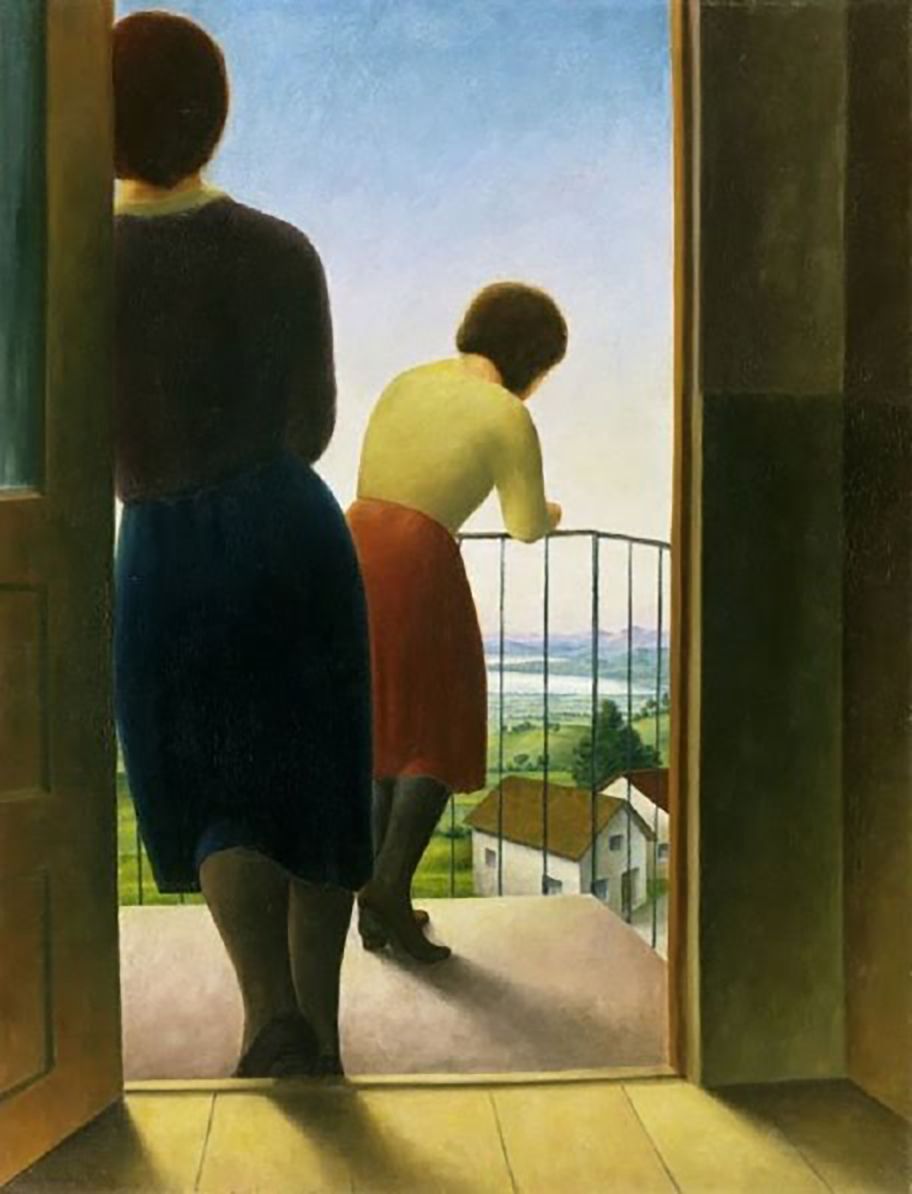
‘On the Balcony.’ Georg Schrimpf. 1927. Source: Kunstmuseum Basel of Switzerland.
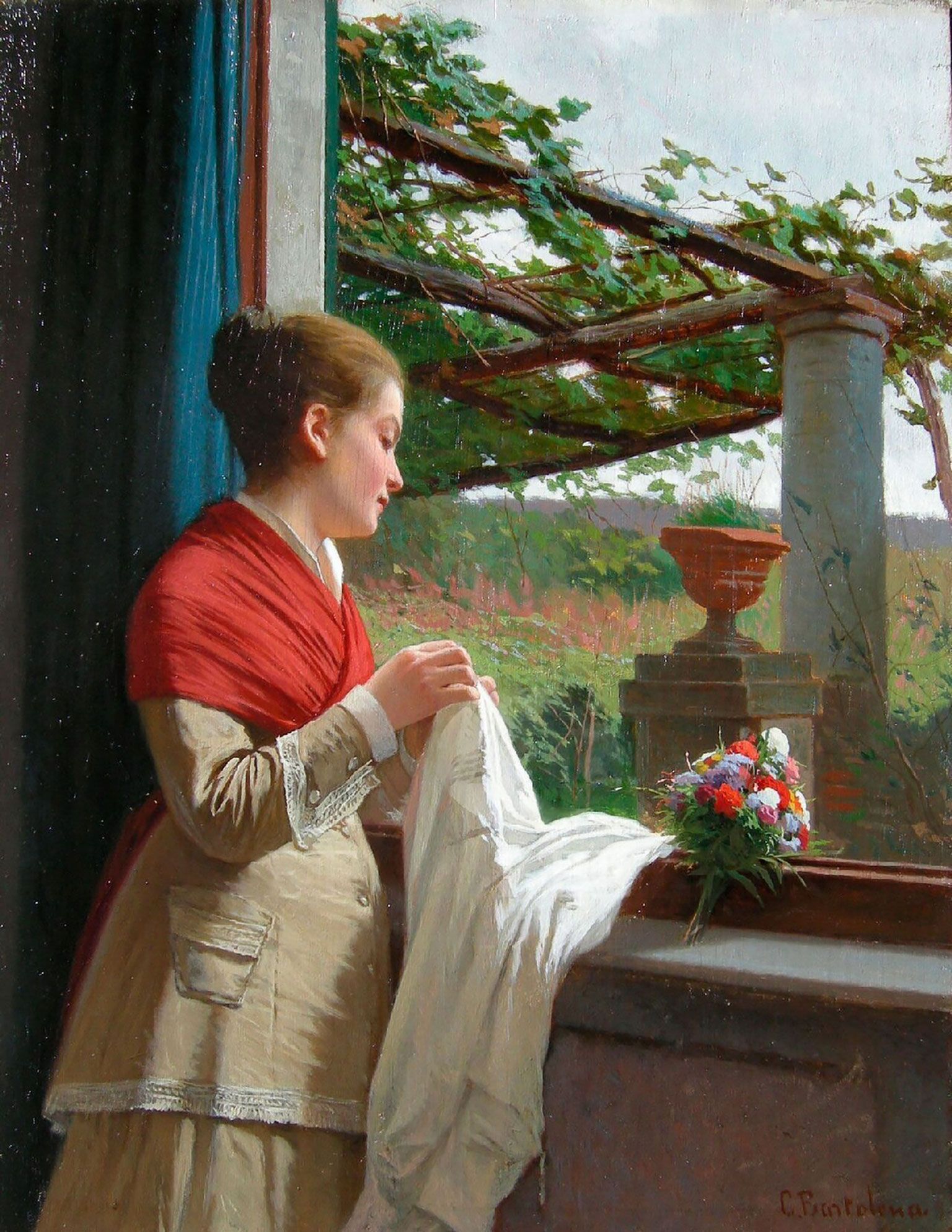
‘Girl on the Balcony.’ Cesare Bartolena. Source: La Società di Belle Arti of Italy. Wiki Commons.
This scene captures a familiar moment when we lift our eyes from a book or a task, allowing our imagination to wander beyond what lies before us. A young woman pauses over her needlework, her gaze drifting outward. Her gesture invites us to wonder what has caught her attention, lending an emotional dimension to an otherwise ordinary domestic task.
However, the relationships between the figures in Édouard Manet’s The Balcony, are more ambiguous. Though they stand close to one another, their gazes wander in different directions. Despite their clear physical presence, their inner feelings and the nature of their connections remain difficult to discern. The painting suggests that sharing a space does not necessarily tell us what occupies the minds of those within it.
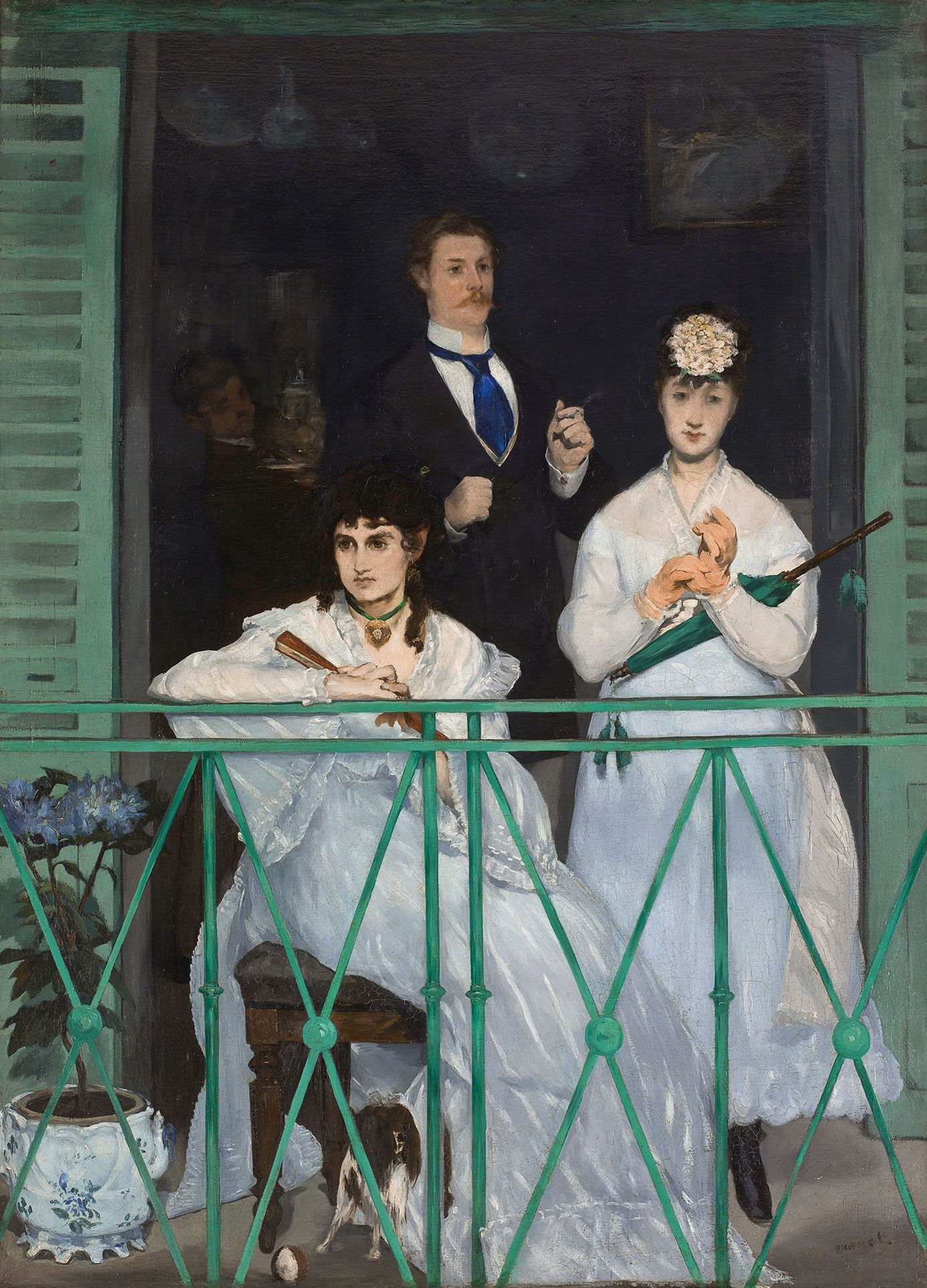
‘The Balcony.’ Édouard Manet. 1868–1869, Source: Musée d'Orsay of Paris.
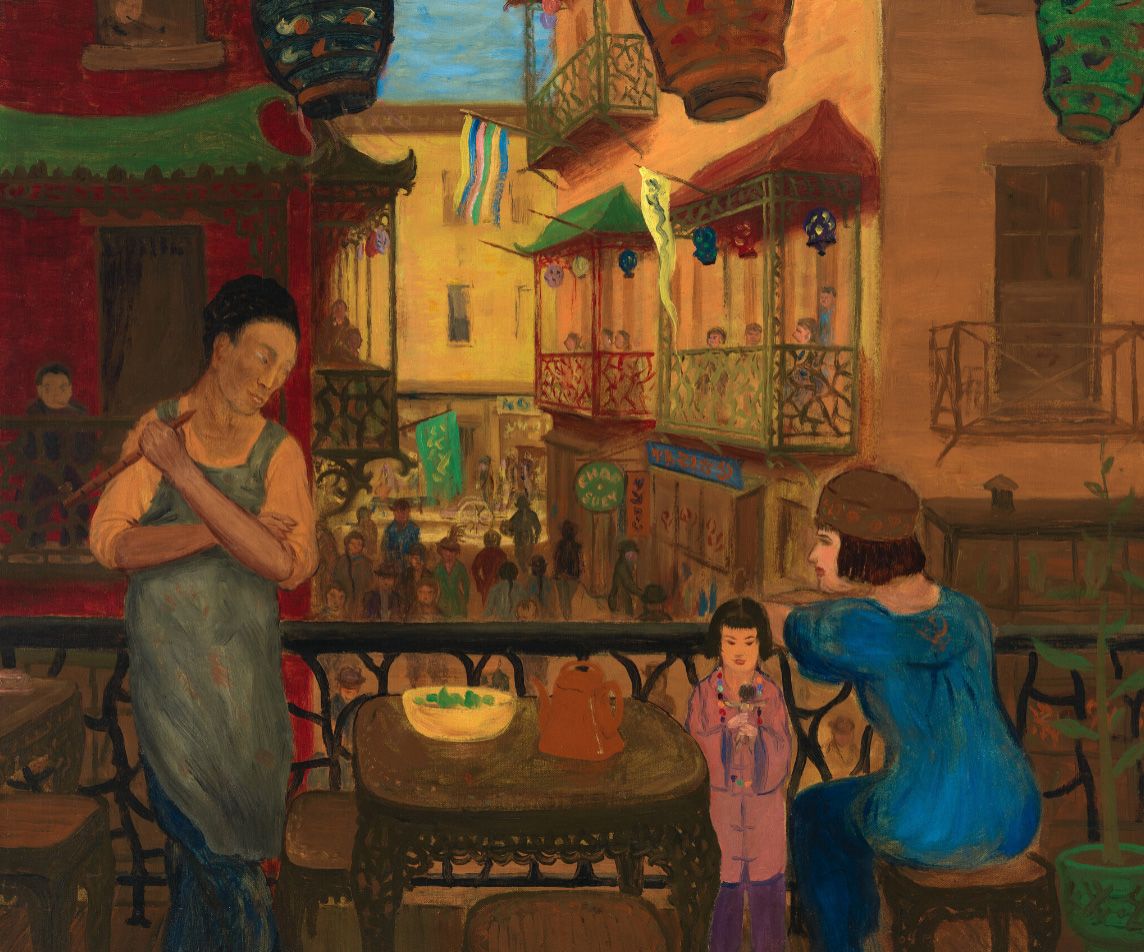
‘Chinatown Balcony.’.Glenn O. Coleman. 1910. Source: Whitney Museum of American Art.
This painting carries a distinct resonance; it depicts a woman and a child on a balcony overlooking a bustling street, with another figure standing nearby. In the background, architectural façades, signs, decorative details, and lanterns crowd the scene, evoking the lively atmosphere of Chinatown. The balcony becomes a window onto the city, creating a striking contrast between two layers of life: the intimate space of the balcony, where the figures appear in greater detail, and the street beyond, where people, colors, and movement blend into a collective scene. The balcony offers us two perspectives at once. We observe the woman and the girl, but we also look out with them onto the neighborhood. In this way, the balcony becomes a frame within a frame, separating the domestic scene from the street while visually connecting the two.
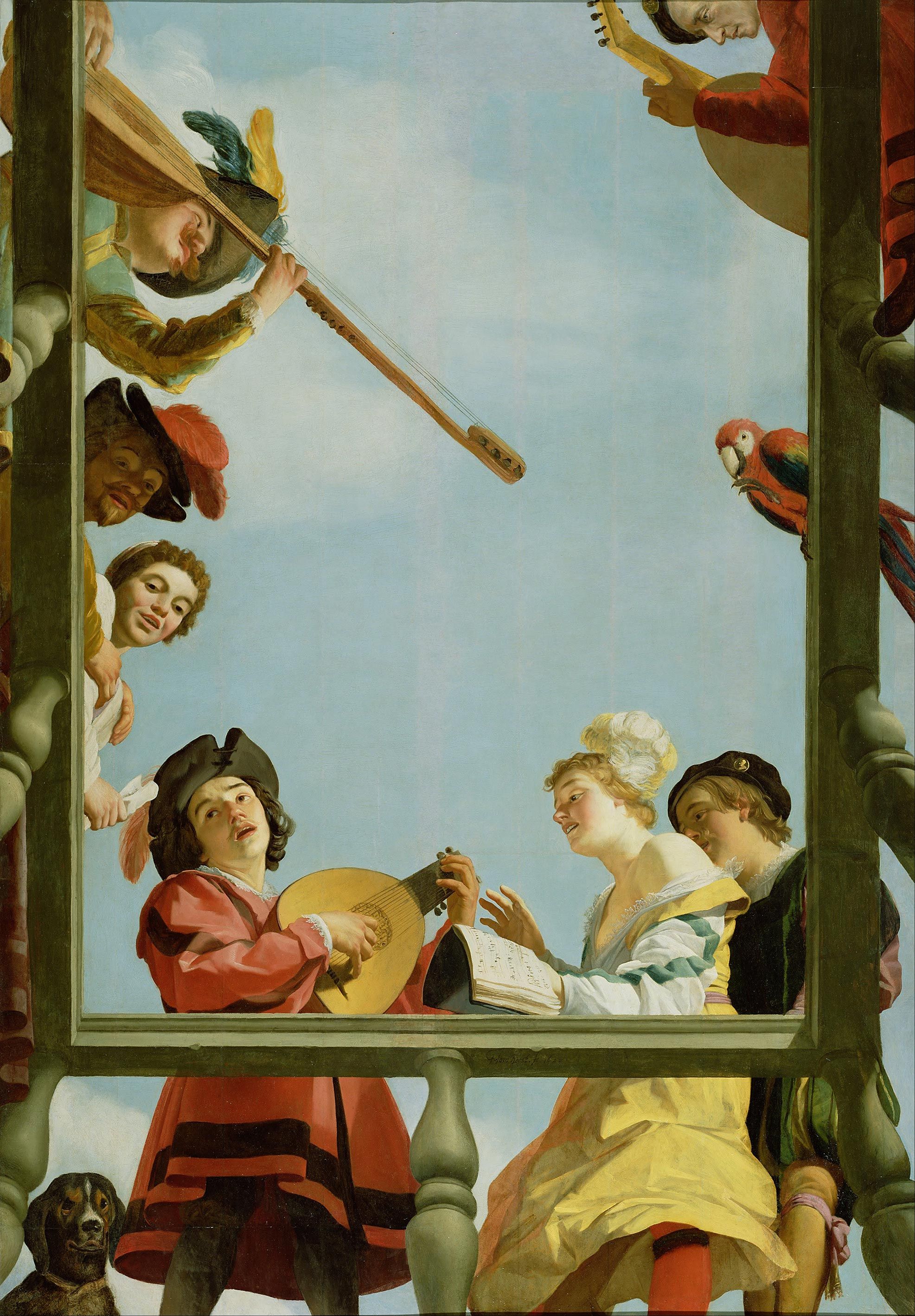
‘Musical Group on a Balcony.’ Gerrit van Honthorst. 1622. Source: Getty.
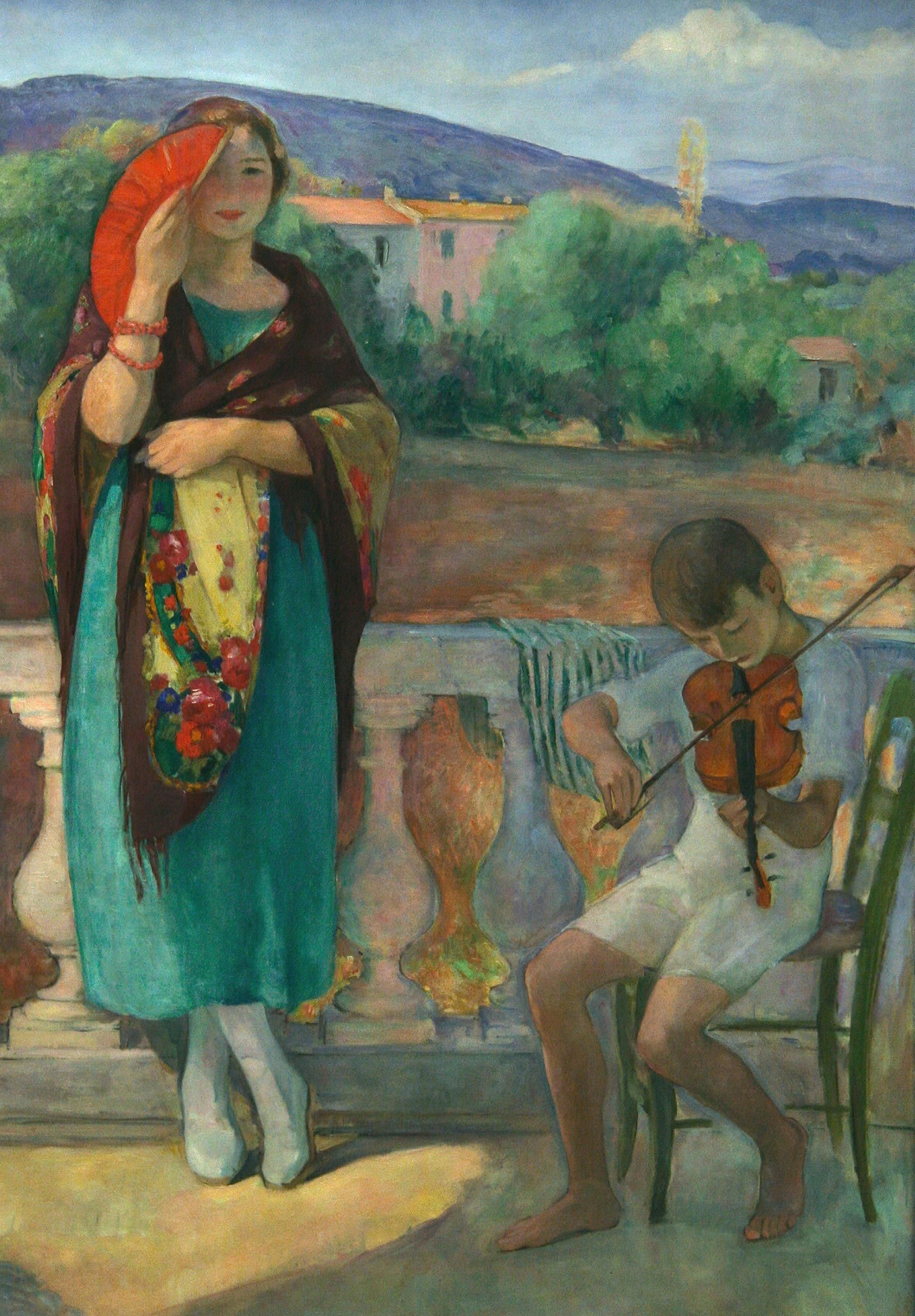
'On the Balcony.' Henri Lebasque. 1920. Source: Detroit Institute of Arts.
Here, the encounter with art turns festive. Designed to decorate a ceiling, the painting employs an illusionistic technique, so that the musicians seem to lean over the railing of a balcony, looking down at us from above. Their smiling faces and lively gestures invite us to join in the music and merriment.
These paintings preserve the small details of balcony life: a moment of rest, an expectant gaze, a conversation broken by laughter, or a melody drifting into the open air. Plants, curtains, and chairs bear traces of those who dwell there, while art captures what everyday life might otherwise allow to slip away.
Today, across different places and times, balconies seem increasingly like a luxury that modern architecture can no longer accommodate. As homes grow smaller and living spaces shrink, glass façades have taken their place, while many balconies have themselves been enclosed, becoming little more than additional room.
And you: what do you enjoy most about spending a quiet moment on a balcony?
Sabah Deebi is a writer and translator.