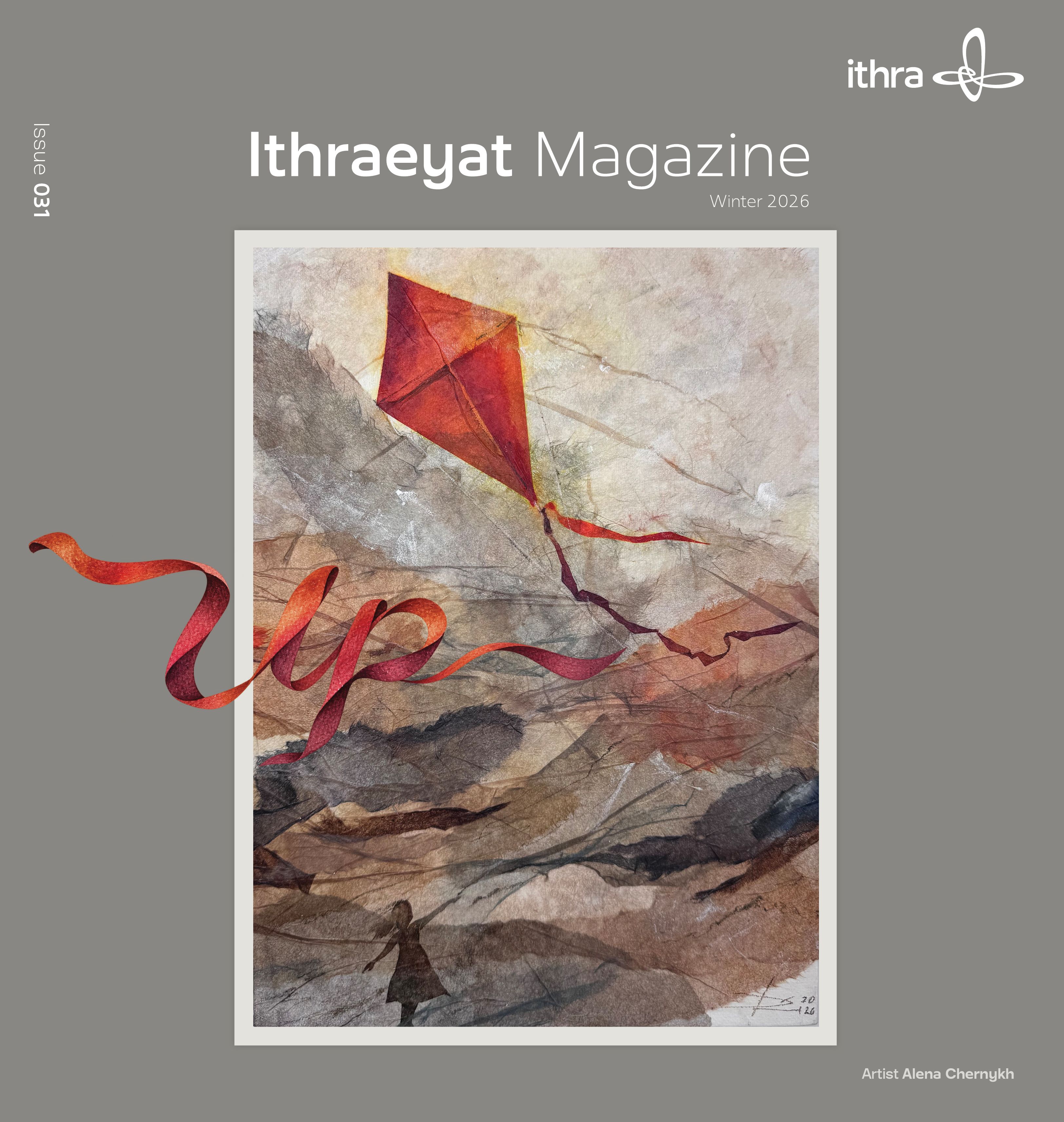
Edition #31
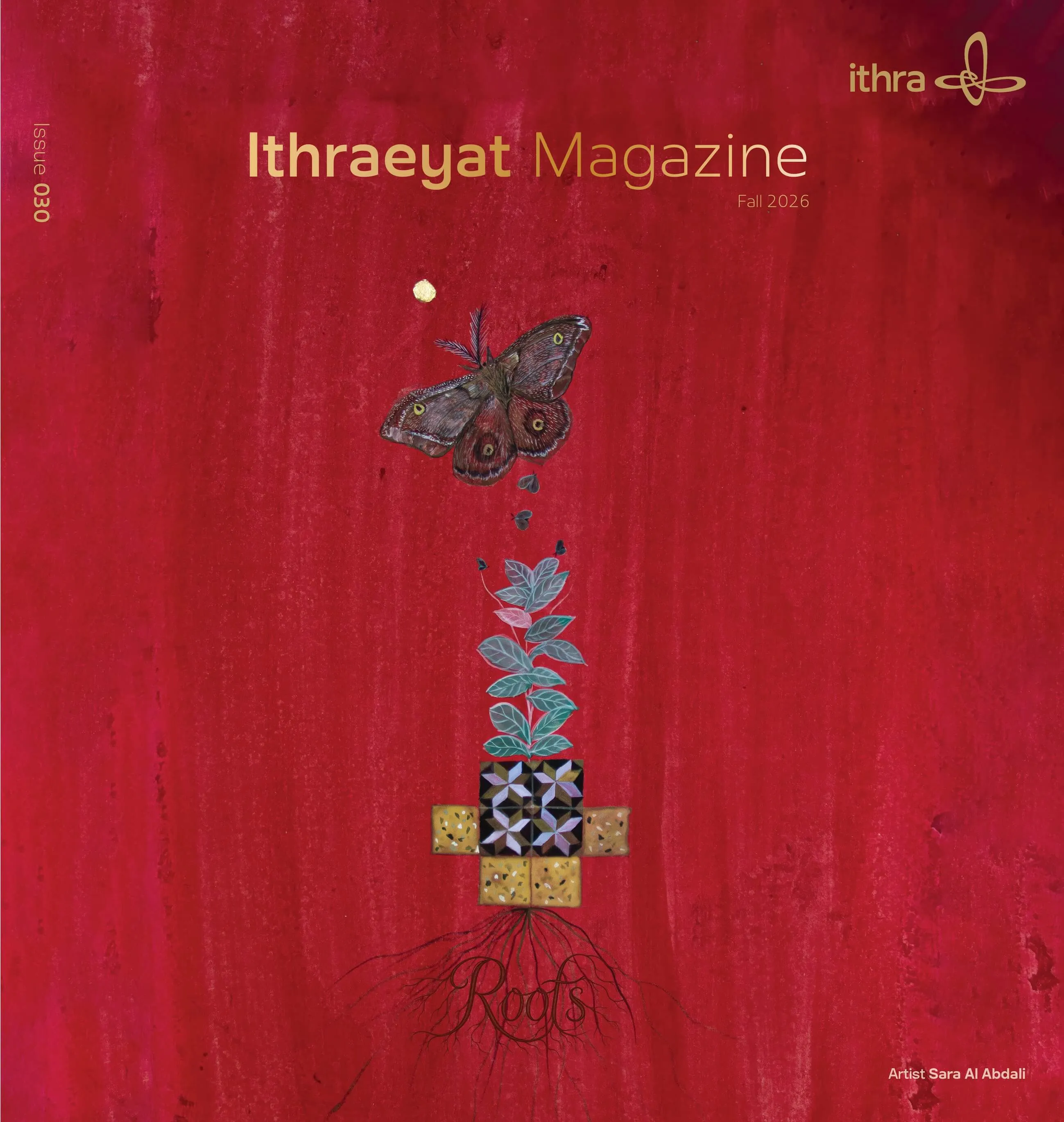
Edition #30
Edition #29
Edition #28
Edition #27
Edition #26
Edition #25
Edition #24
Edition #23
Edition #22
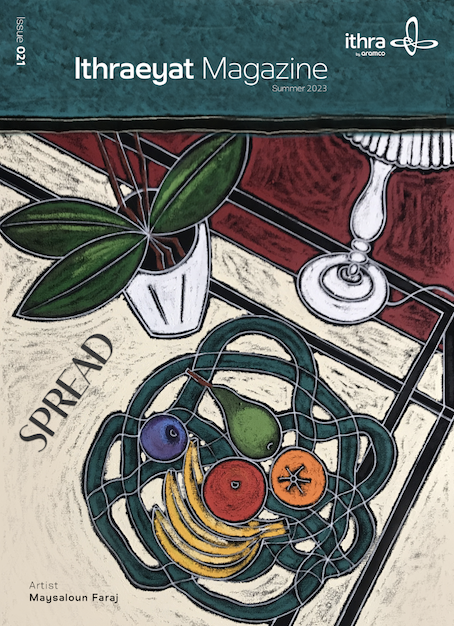
Edition #21
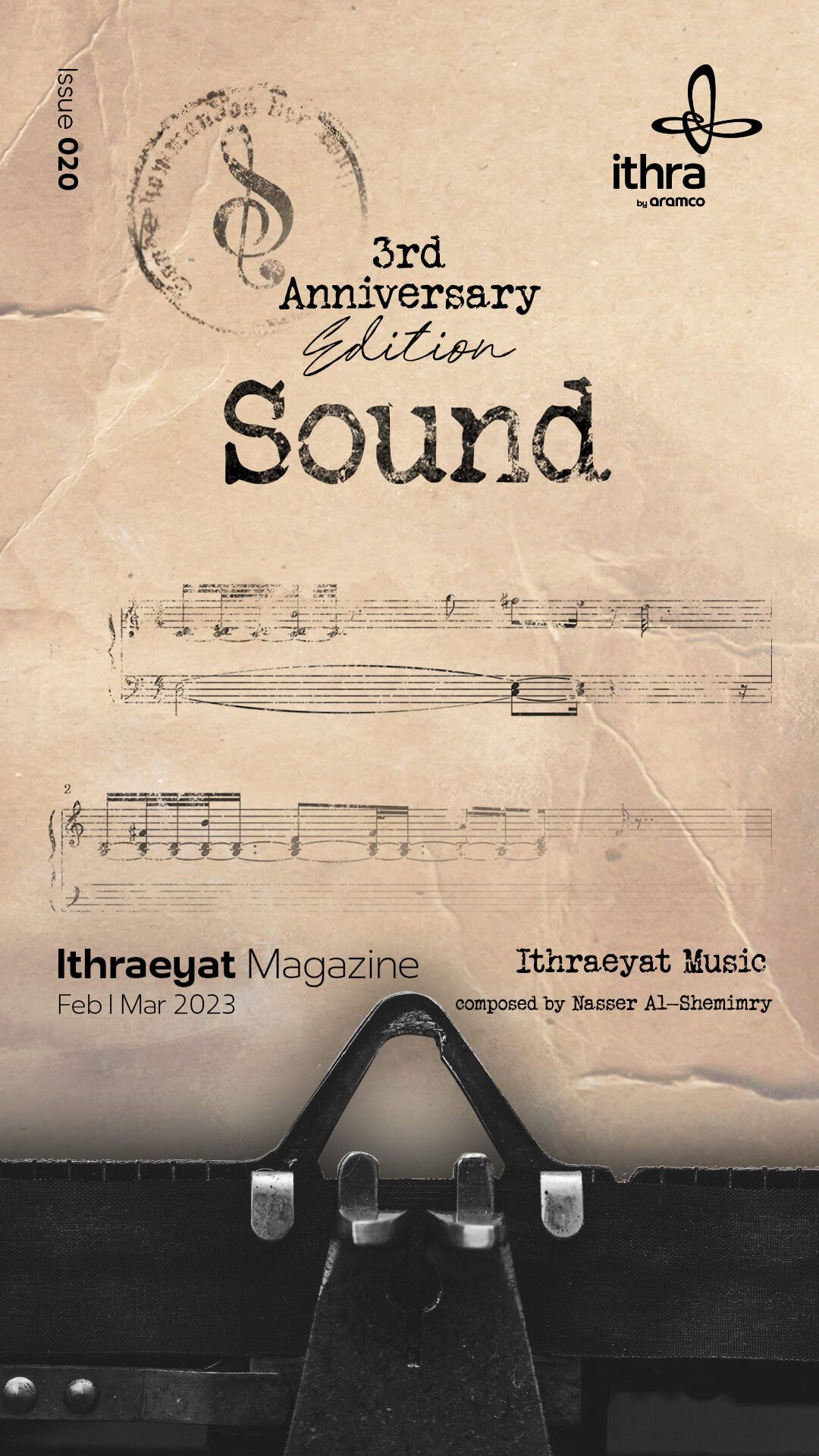
Edition #20
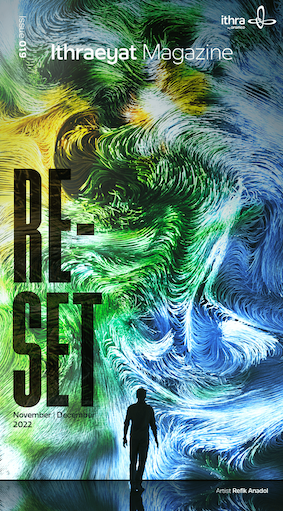
Edition #19
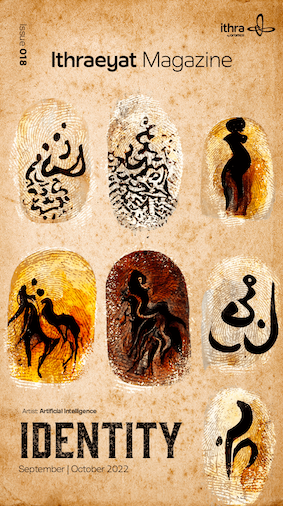
Edition #18
Edition #17
Edition #16

Edition #15

Edition #14

Edition #13
Edition #12
Edition #11
Edition #10
Edition #9

Edition #8
Edition #7
Edition #6
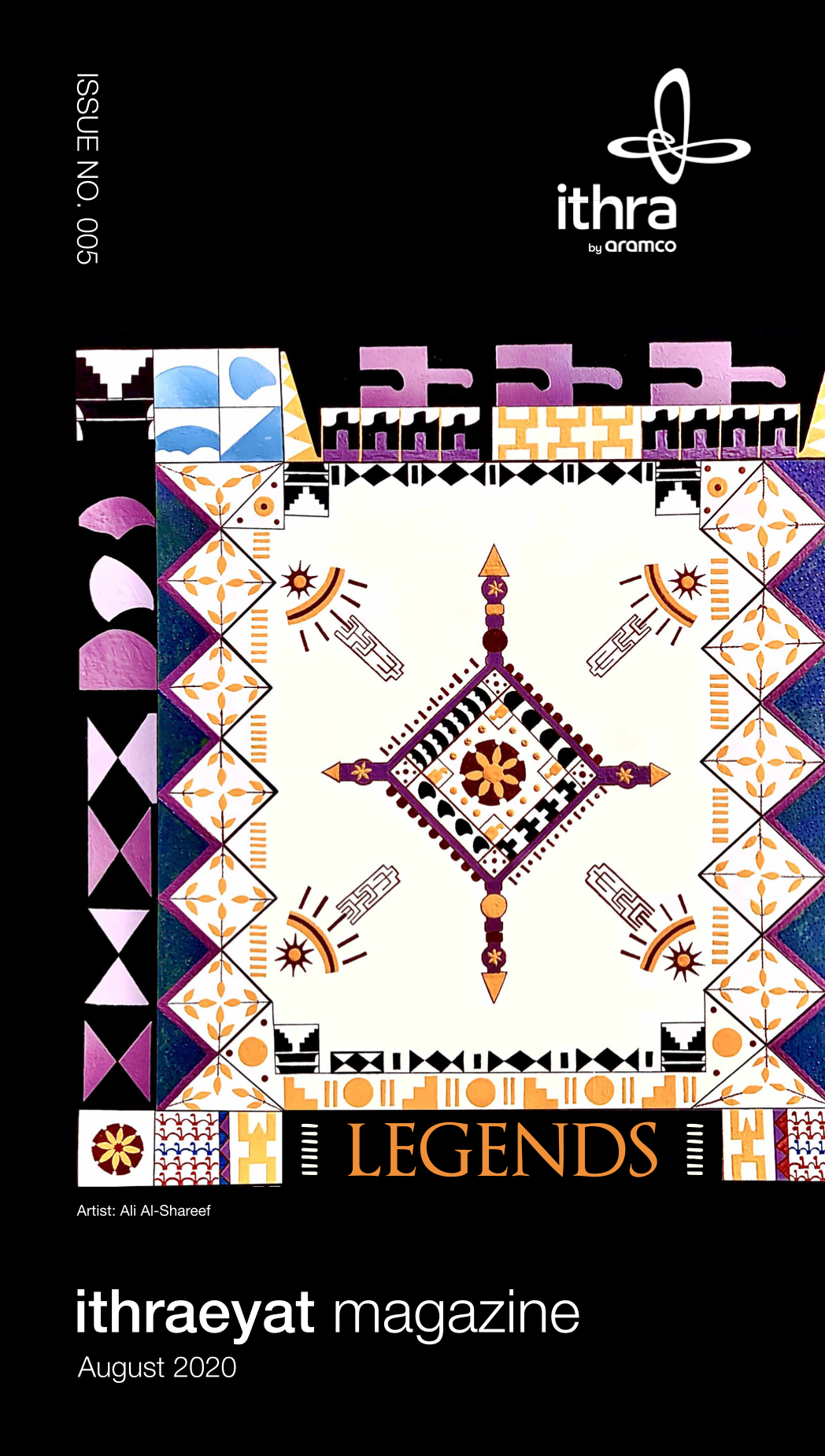
Edition #5
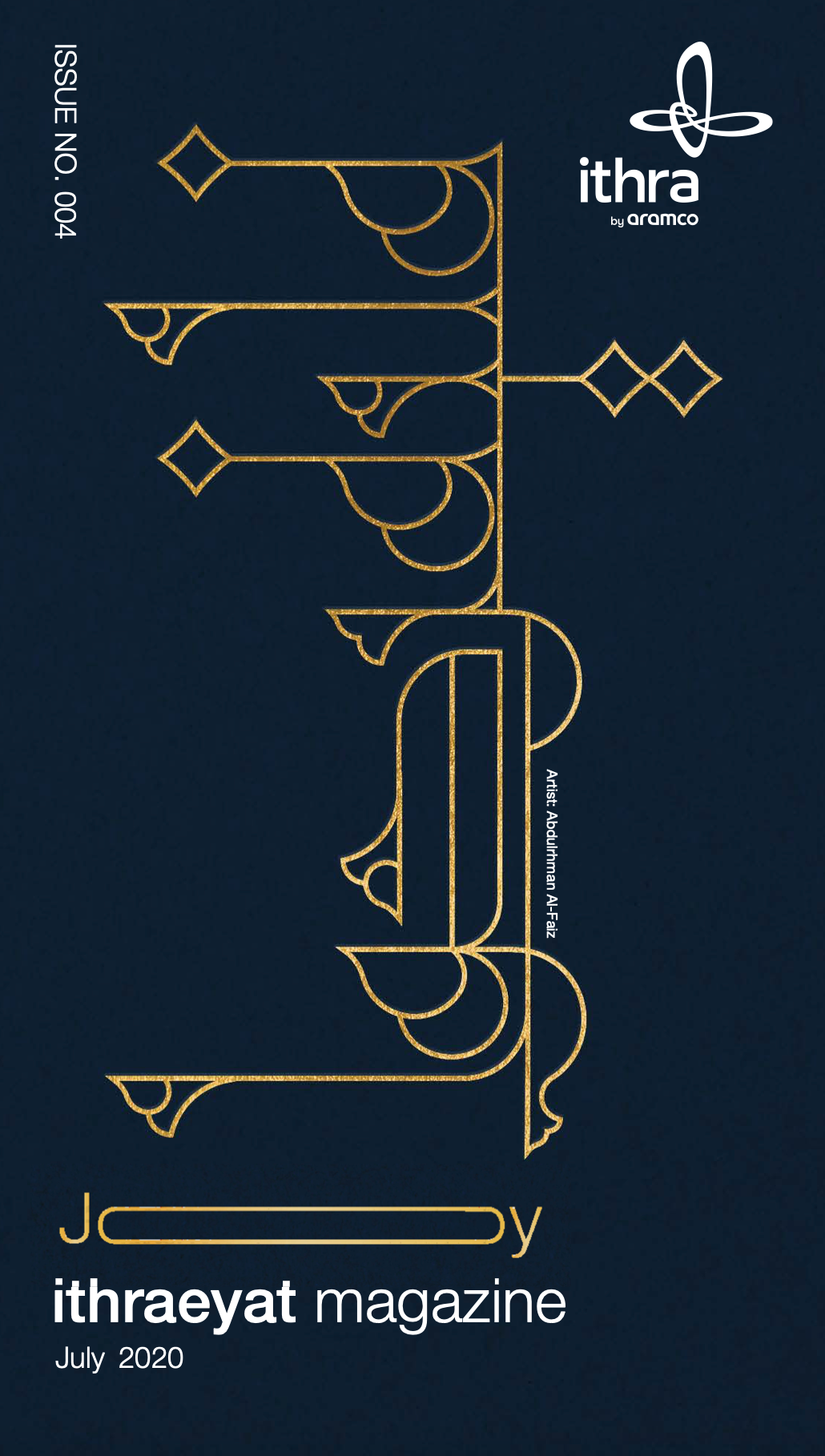
Edition #4
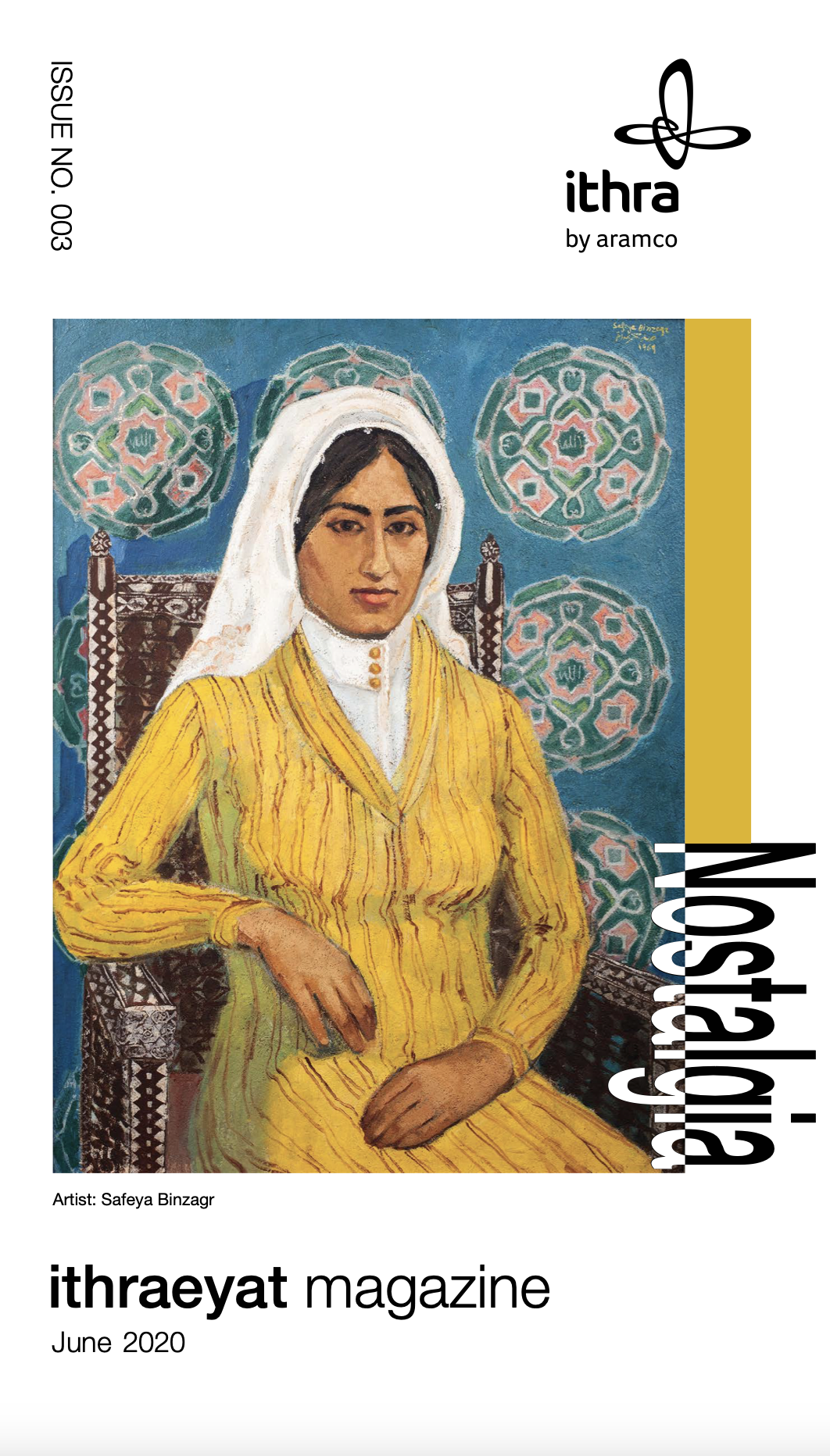
Edition #3
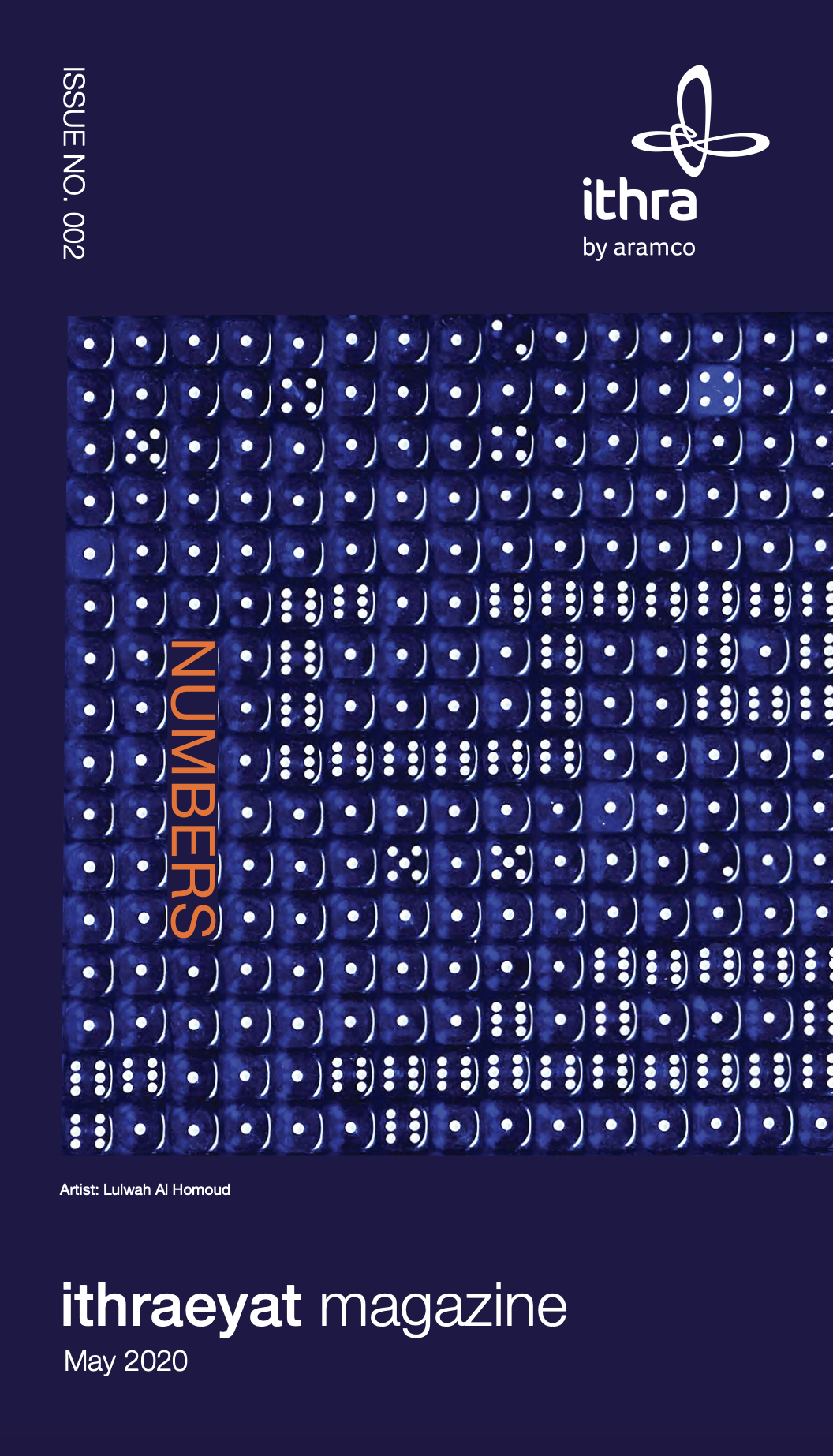
Edition #2
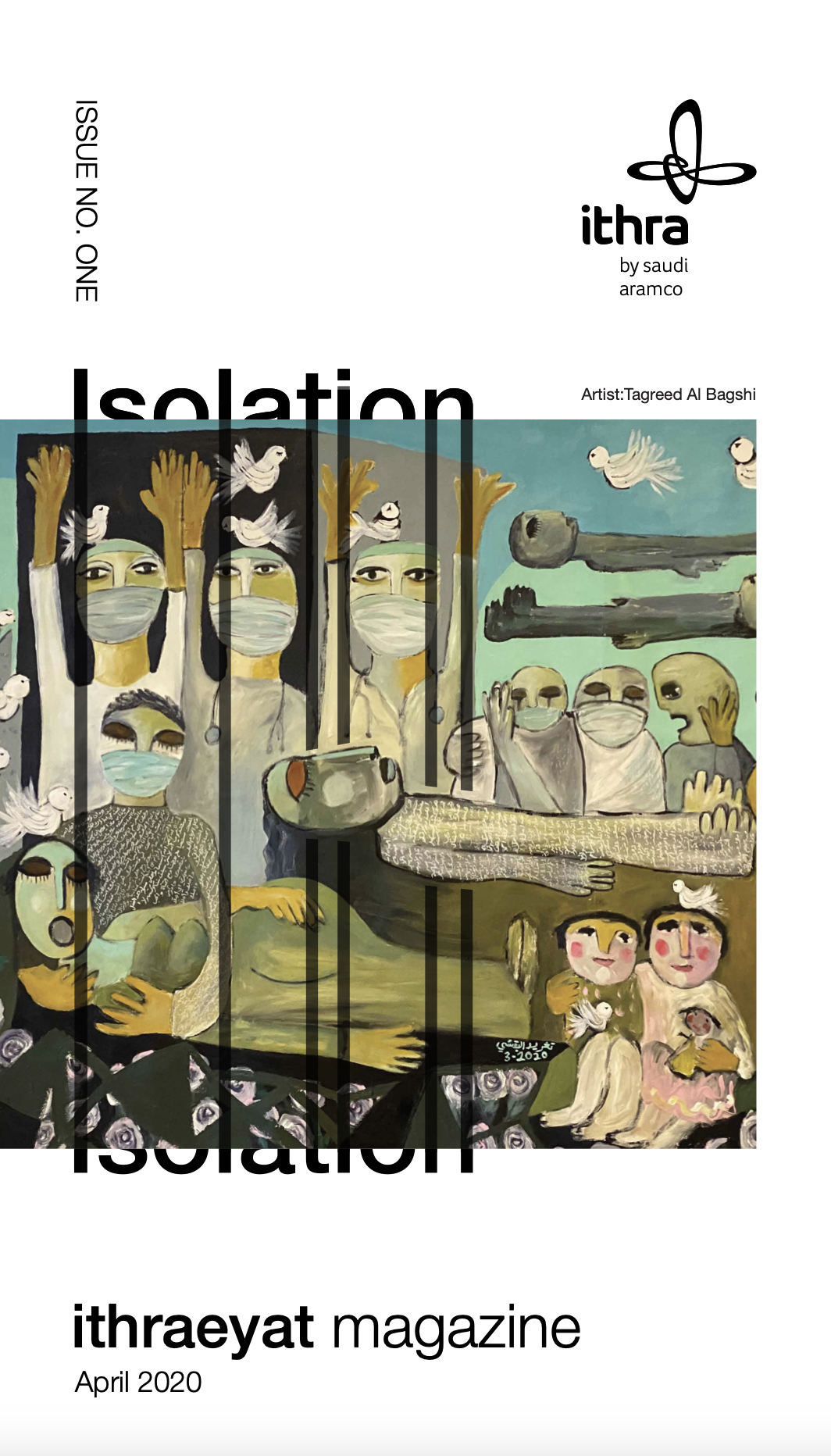
Edition #1
Letter from the Editor
When in Doubt, Look Up
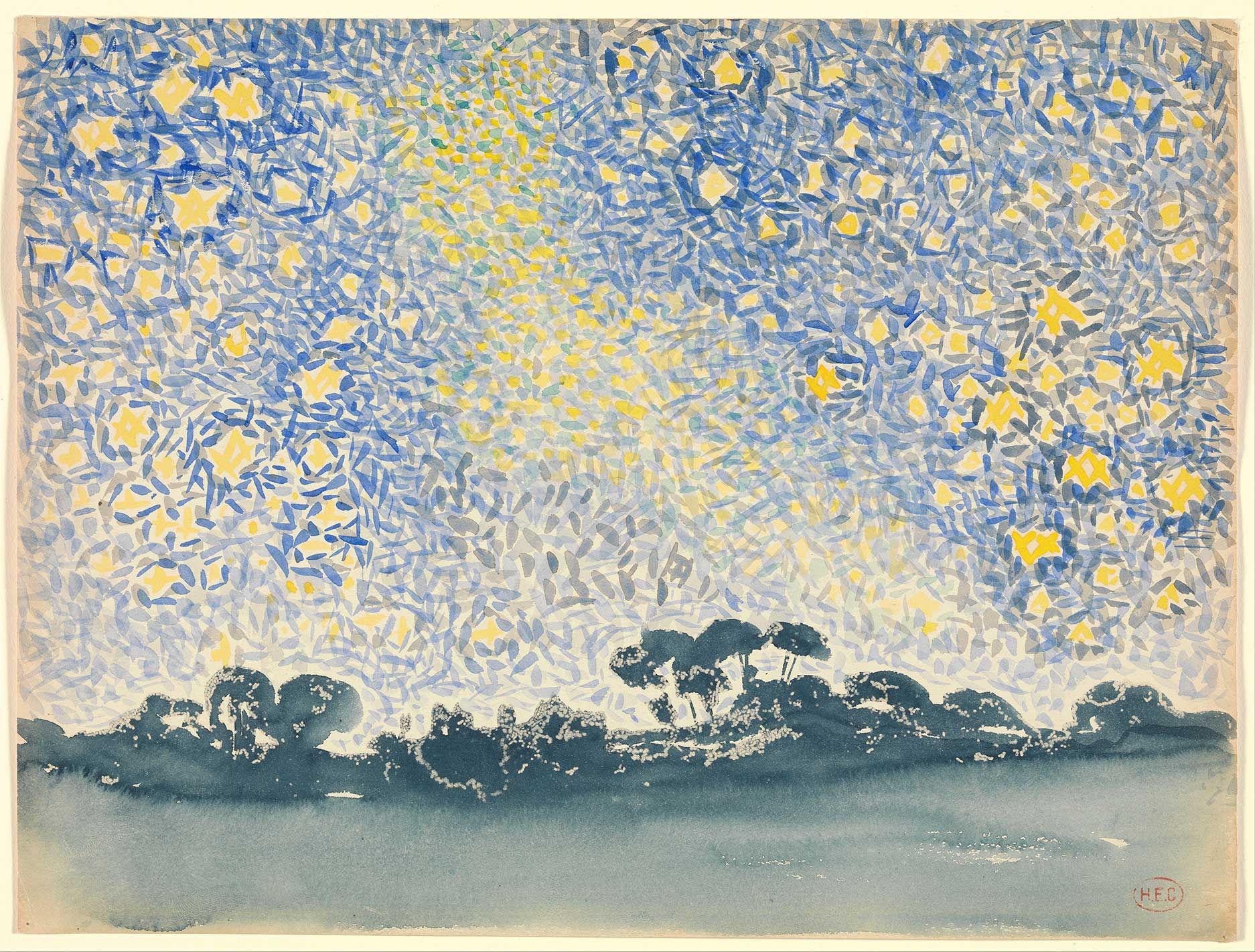


‘Landscape with Stars.’ Henri-Edmond Cross (Henri-Edmond Delacroix) (French, Douai 1856–1910 Saint-Clair). ca. 1905–1908. Watercolor on white wove paper. 9 5/8 × 12 5/8 in. (24.4 × 32.1 cm), framed: 18 × 24 in. (45.7 × 61 cm). Credit Line: Robert Lehman Collection, 1975. Source: The Metropolitan Museum of Art.
2 minutes read
December 30, 2026
Al-Mutannabi, legendary 10th Century Arab poet
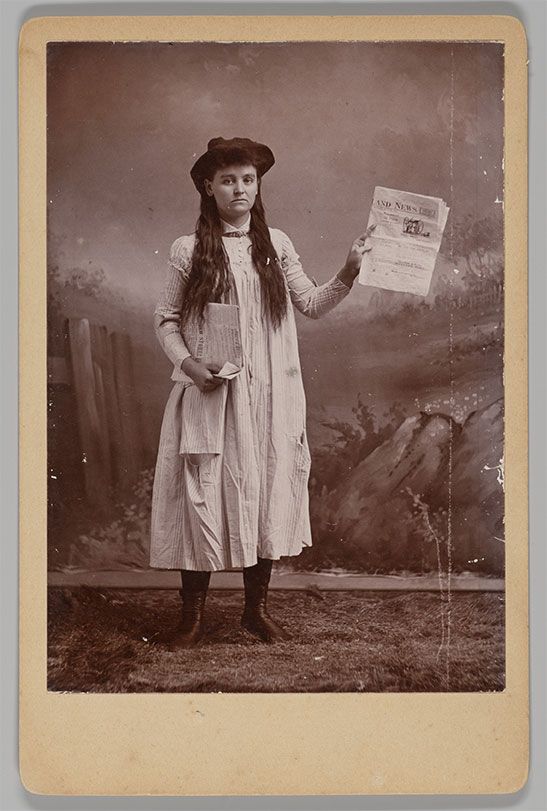
Portrait of Woman with "Lands News" Newspaper. Unknown artist. 1880s–90s. Gelatin silver print, image 5 1/2 × 3 7/8 in. (13.9×9.8 cm), mount: 6 9/16 in. × 4 5/16 in. (16.6×10.9 cm). Credit Line: Purchase, The Horace W. Goldsmith Foundation Gift, through Joyce and Robert Menschel, 2025. Source: The Metropolitan Museum of Art.
'There is no news.'
On April 18, 1930, the BBC's news announcer had nothing to communicate and announced exactly that — no news today — before piano music was played instead for the rest of the 15-minute segment.
In an era where we are constantly bombarded with updates, requests, information and misinformation, how delightful would it be to have a day with no news? After all, as the saying goes, ‘no news is good news.’ Imagine having the time to create our own good news, or simply completely enjoy a day without the worry and anxiety brought on by the latest headlines. A day when, for once, nothing demands our attention.
Now, 96 years after that unusual announcement, perhaps it is an invitation to pause, to stop scrolling, lift our eyes and head up and away from the glow of screens, whether ones we hold in our hands or those placed on our desks, and to notice that the world around us may be broadcasting something far richer than flashy headlines.
The birds singing in the trees beside our buildings, the clouds taking on shapes that stir our imagination, the twinkling stars that have watched over us for far longer than we have been here. When was the last time we stopped to notice them, stretched our necks, and allowed our eyes to wander.
As we bid farewell to 2026, Ithraeyat celebrates the theme 'Up,' not merely as a direction for our eyes and ambition, but also as a stance of determination to always hold our heads high, to remain steadfast, or practice sumud (arabic), and to keep moving forward, especially in uncertain and difficult times.
The word resilience comes from the Latin resilire, meaning 'to leap back,' originally describing a material returning to its original shape, but after going through a challenging time, this process is more than just rebounding, one often becomes 'more' than what they were before.
In this edition, we meet artists and writers who have looked upward for inspiration, creating art and words that are gifts for our eyes and our minds alike.
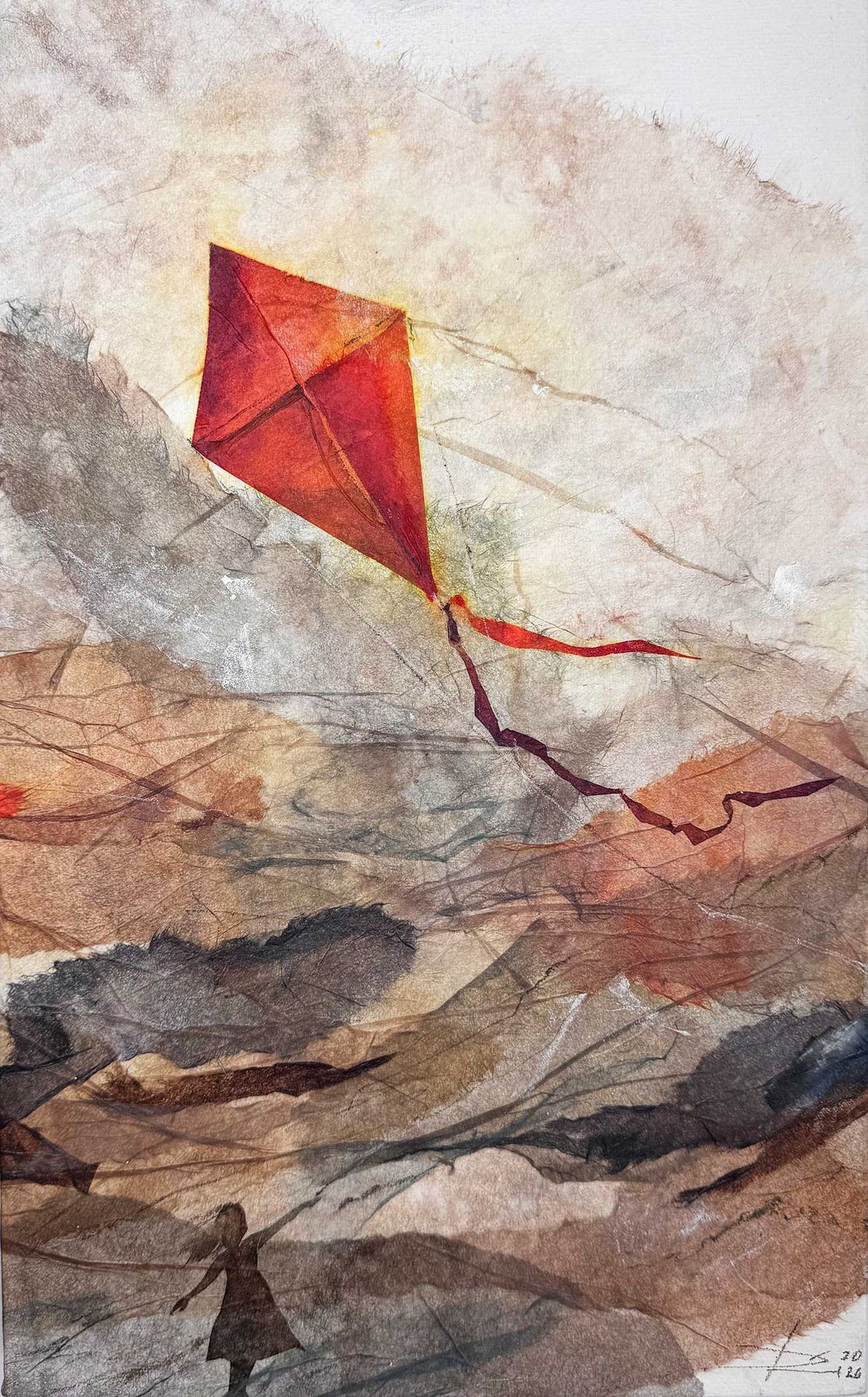
Having always had a soft spot for kites, I was particularly entranced by the kite artwork featured on our cover. Its creator, Alena Chernykh, reminds us that the journey upward rarely follows a straight path. Rising takes effort, especially when working against gravity, and sometimes requires the "courage to go against the elements."
We invite you to look up and rediscover a world around you that may have been waiting for you to notice it again. Take in its colors, listen to its songs, and appreciate its imperfect shapes and the stories they hold.
Here’s to a new year, new leaps, and new possibilities.
With appreciation and respect,
Rym Al-Ghazal
Editor-in-Chief
Pause, look up a tree and enjoy the art of birds.
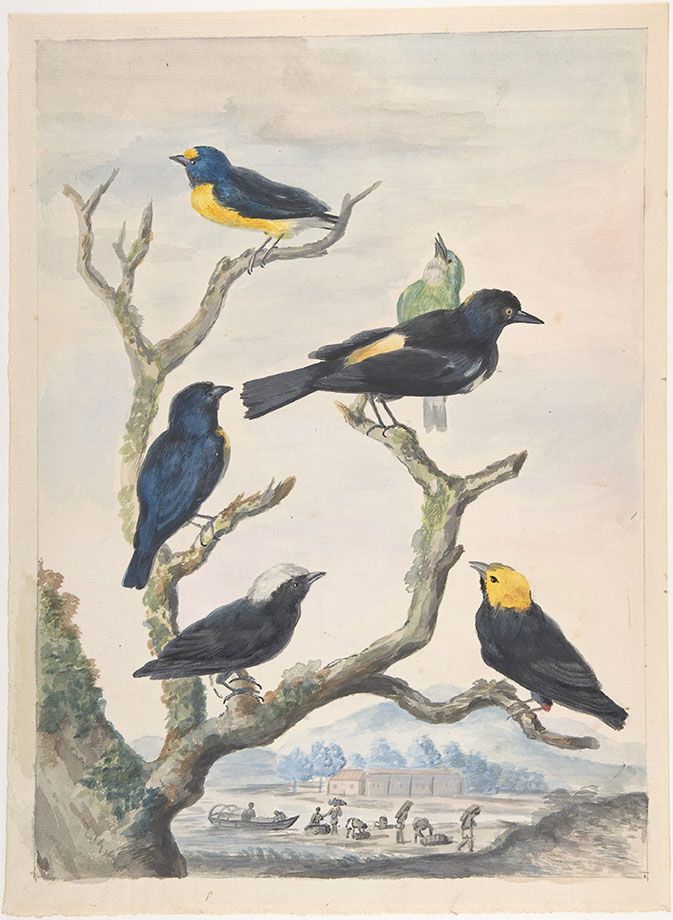
'Six South American Birds.' Abraham Meertens (Dutch, 1747–1823). Mid-18th–early 19th century. Watercolor over traces of black graphite, 14 5/8 x 10 11/16 in. (37.2 x 27.2 cm).
Credit Line: Van Day Truex Fund, 2005. Source: The Metropolitan Museum of Art.
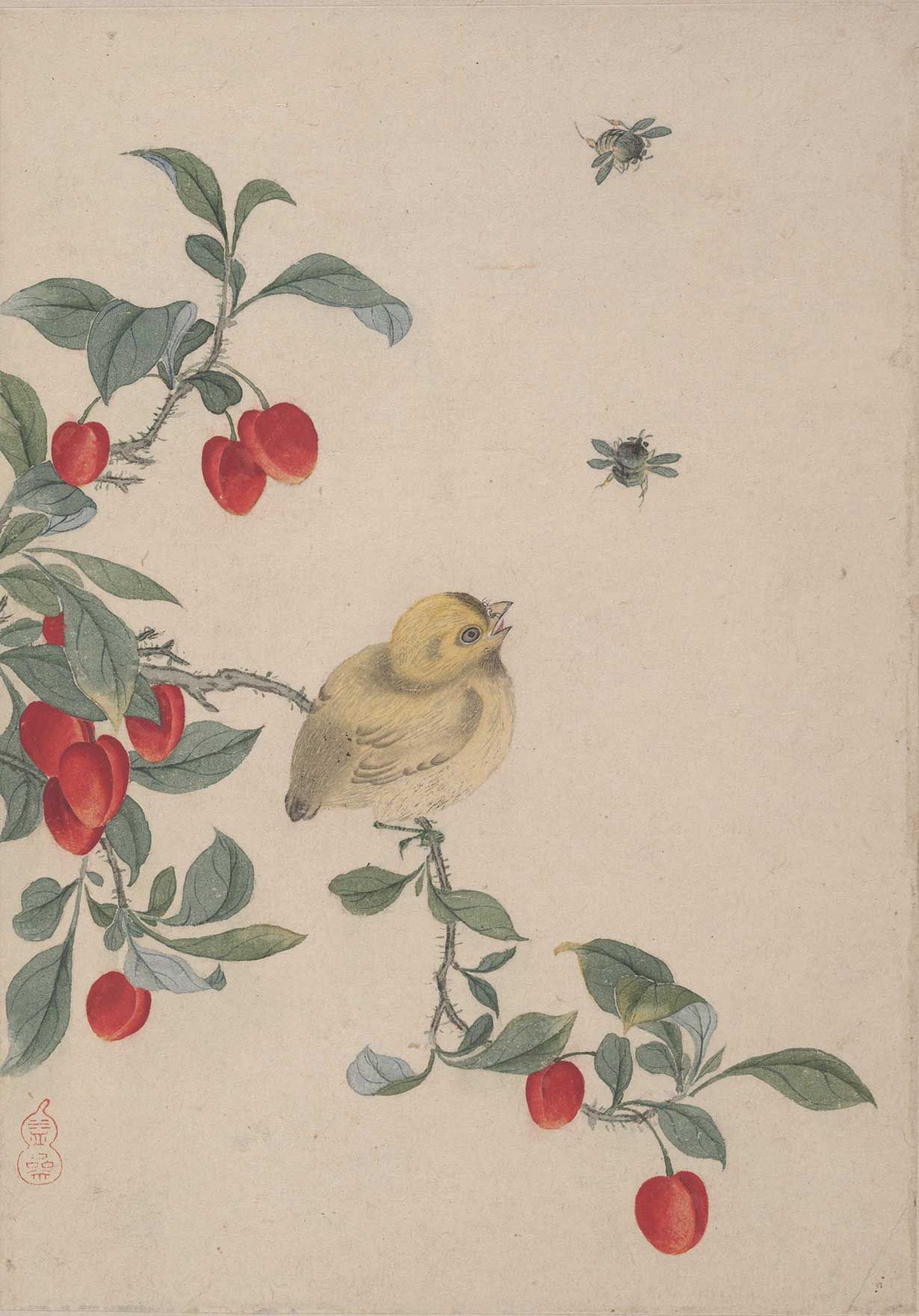
Birds, Insects and Flowers. Yi Zhai. Qing dynasty (1644–1911). 19th century. China.
Album of seven leaves; ink and color on paper. H. 11 13/16 in. (30 cm). Credit Line: Gift of Mrs. Henry J. Bernheim, 1945. Source: The Metropolitan Museum of Art.
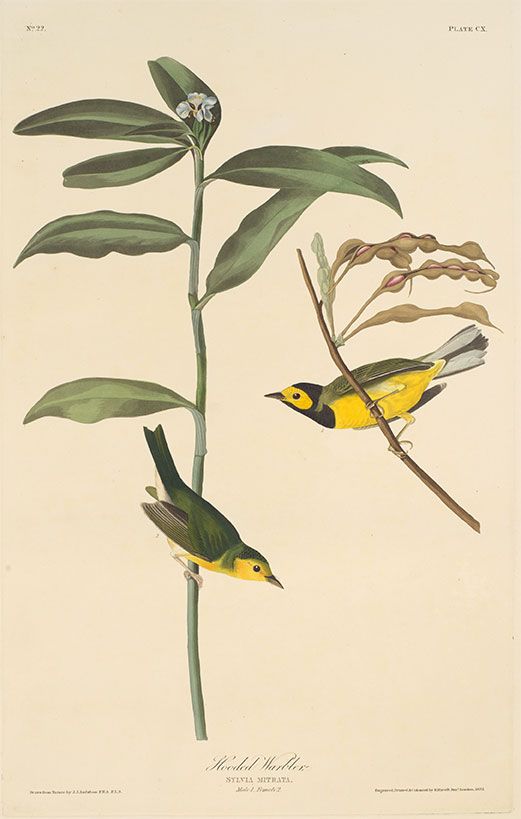
Hooded Warbler. Sylvia mitrata [current name: Hooded Warbler. Wilsonia citrina], from "The Birds of America," plate CX. Artist: After John James Audubon (American (born Haiti), Les Cayes (Saint-Domingue) 1785–1851 New York). Etcher: Etched and aquatinted by Robert Havell Jr. (American (born England), Reading 1793–1878 Tarrytown, New York). 1831. Hand-colored etching, aquatint and engraving. Plate: 19 3/8 × 12 1/16 in. (49.2×30.7 cm), sheet: 38 9/16 × 25 9/16 in. (98 × 65 cm). Credit Line: Gift of Dr. and Mrs. Michael and Elyn Stubblefield, 2024. Source: The Metropolitan Museum of Art.