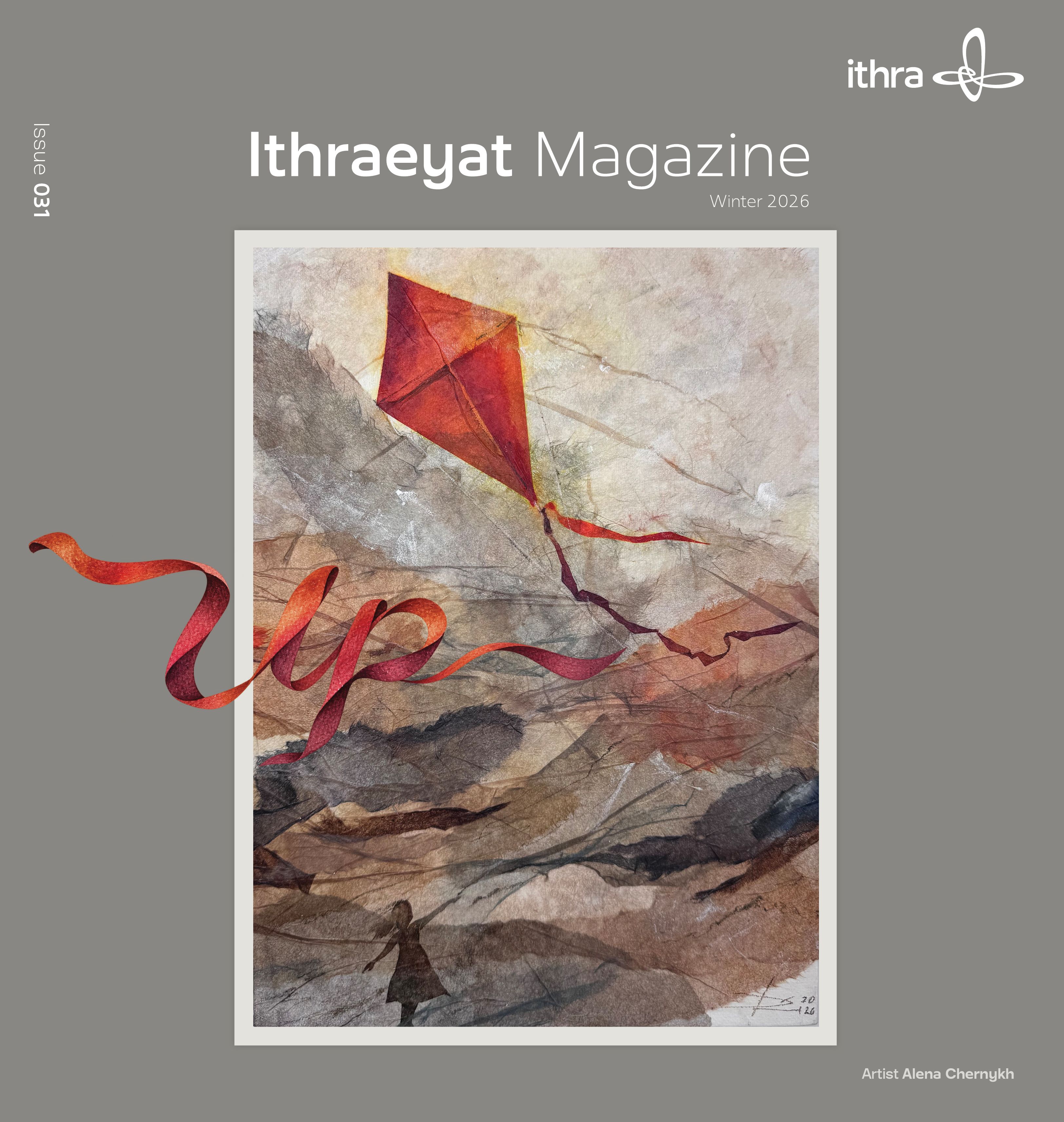
Edition #31
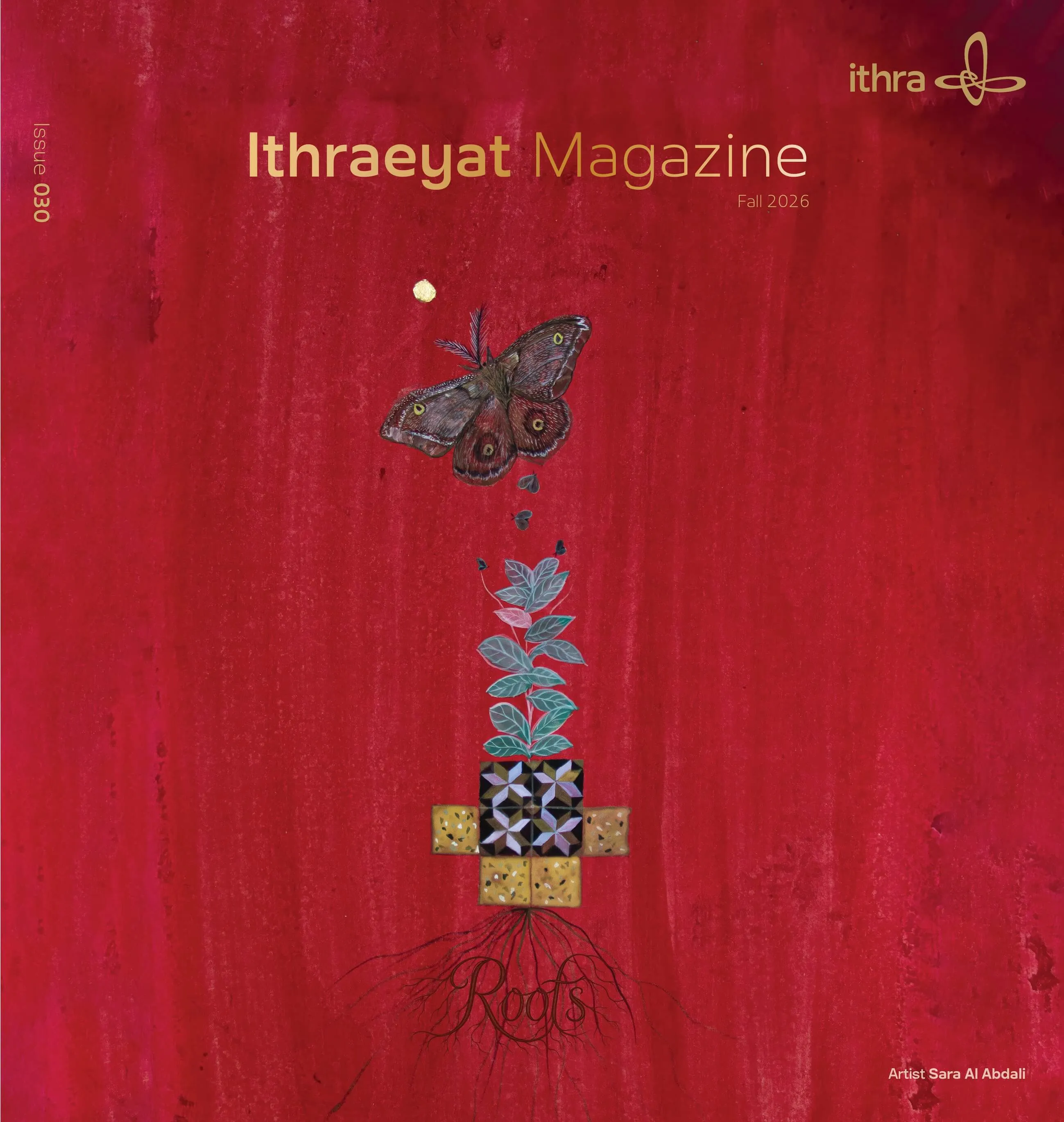
Edition #30
Edition #29
Edition #28
Edition #27
Edition #26

Edition #25
Edition #24
Edition #23
Edition #22
Edition #21

Edition #20
Edition #19

Edition #18

Edition #17

Edition #16

Edition #15

Edition #14

Edition #13

Edition #12
Edition #11

Edition #10

Edition #9

Edition #8
Edition #7
Edition #6

Edition #5

Edition #4

Edition #3

Edition #2
Edition #1
Guest Columnist:
Far Away, With the Scent of Lemons
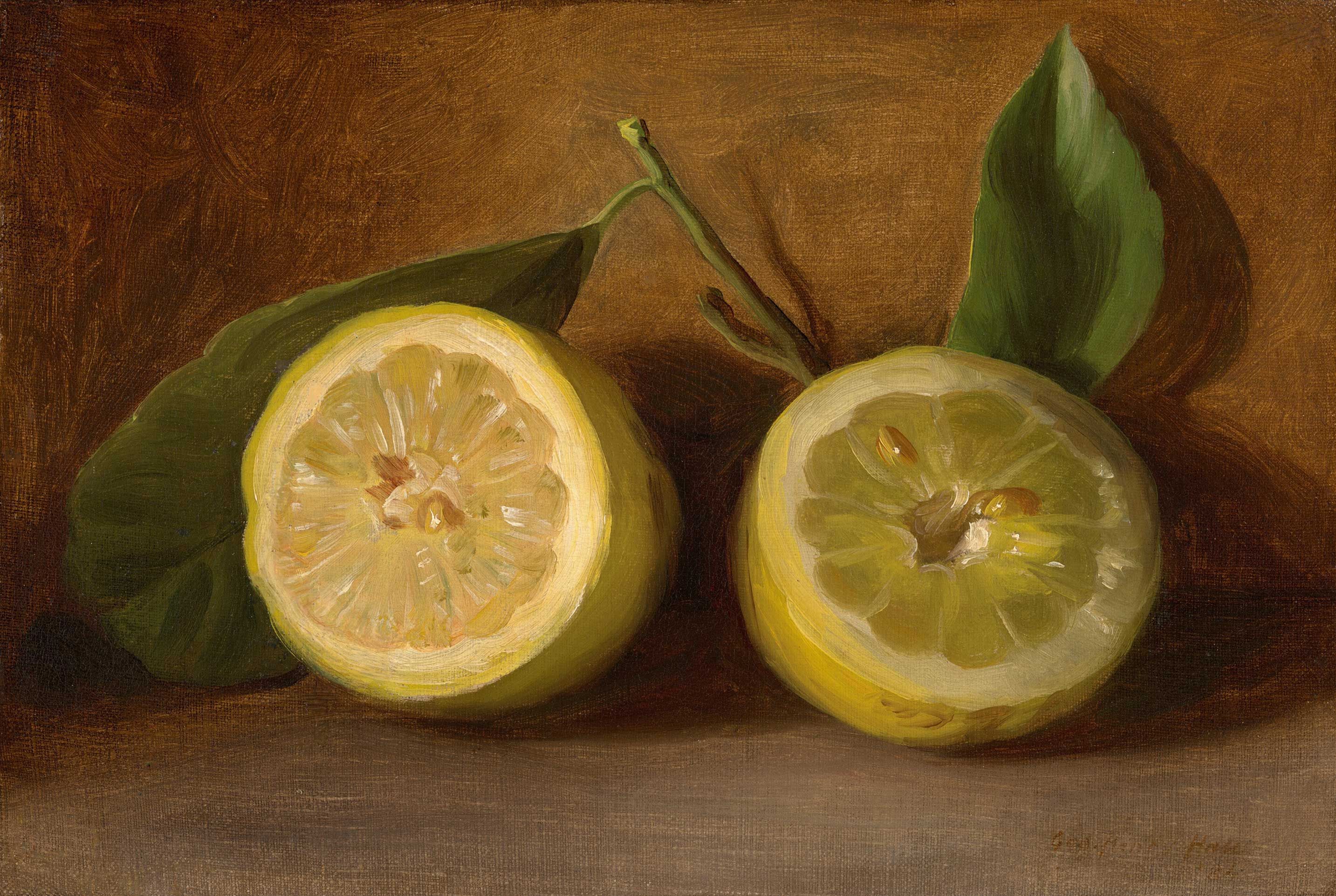
'Lemons.' George Henry Hall. 1884. Oil on canvas. 16.51 × 24.13 cm. Source: National Gallery of Art.
3 minutes read
December 30, 2026
A place often plays a significant role in shaping our connection to reality, or our detachment from it.
That detachment may drive us to seek refuge in imaginary worlds or unfamiliar places as a way to break free from monotonous patterns and routine. The more a place preserves its connection to nature and remains hospitable to human life, the more inclined we are to engage with the world around us and seek genuine experiences rather than retreat into virtual pursuits or digital escapism.
This thought occurred to me after a recent visit to South Africa, specifically Hermanus, a small town not far from Cape Town. People there still live on farms, use firewood, and inhabit homes surrounded by nature. There are no towering apartment buildings or skyscrapers. It is a town that offers all necessary services without compromising its natural surroundings or the human experience.
There are fields and mountains, sandy paths to wander, wild horses to watch, and sunrises and sunsets to admire. As evening approaches, life slows down. Shops close, the streets grow quiet, and people return to their homes at sunset. On weekends, families head into the mountains and gather for barbecues. Children learn new skills, while adults meet in small taverns to eat and drink. And beyond it all lies the Atlantic Ocean, breathing alongside the townspeople. Sometimes, its mischievous winds send things tumbling, and the locals patiently put everything back in place. The ocean, after all, is their mischievous neighbor.
“The more a place remains connected to nature, the more inclined we are to engage with the world around us and seek genuine experiences.”
Then, you look at the flowers and trees through the lens of someone who, just hours earlier, had descended from the sky. Outside the window of the room where you are staying, you notice a lemon hanging from a branch. You reach out and touch it, and its fragrance lingers on your hand for the rest of the day.
I believe that place has a significant influence on our social behavior and mental well-being, particularly when it retains its connection to nature. It is precisely this connection that fosters a stronger sense of belonging, and makes us more at ease with our surroundings.
It was only after this experience that I truly understood what it means to make cities more human-centered.
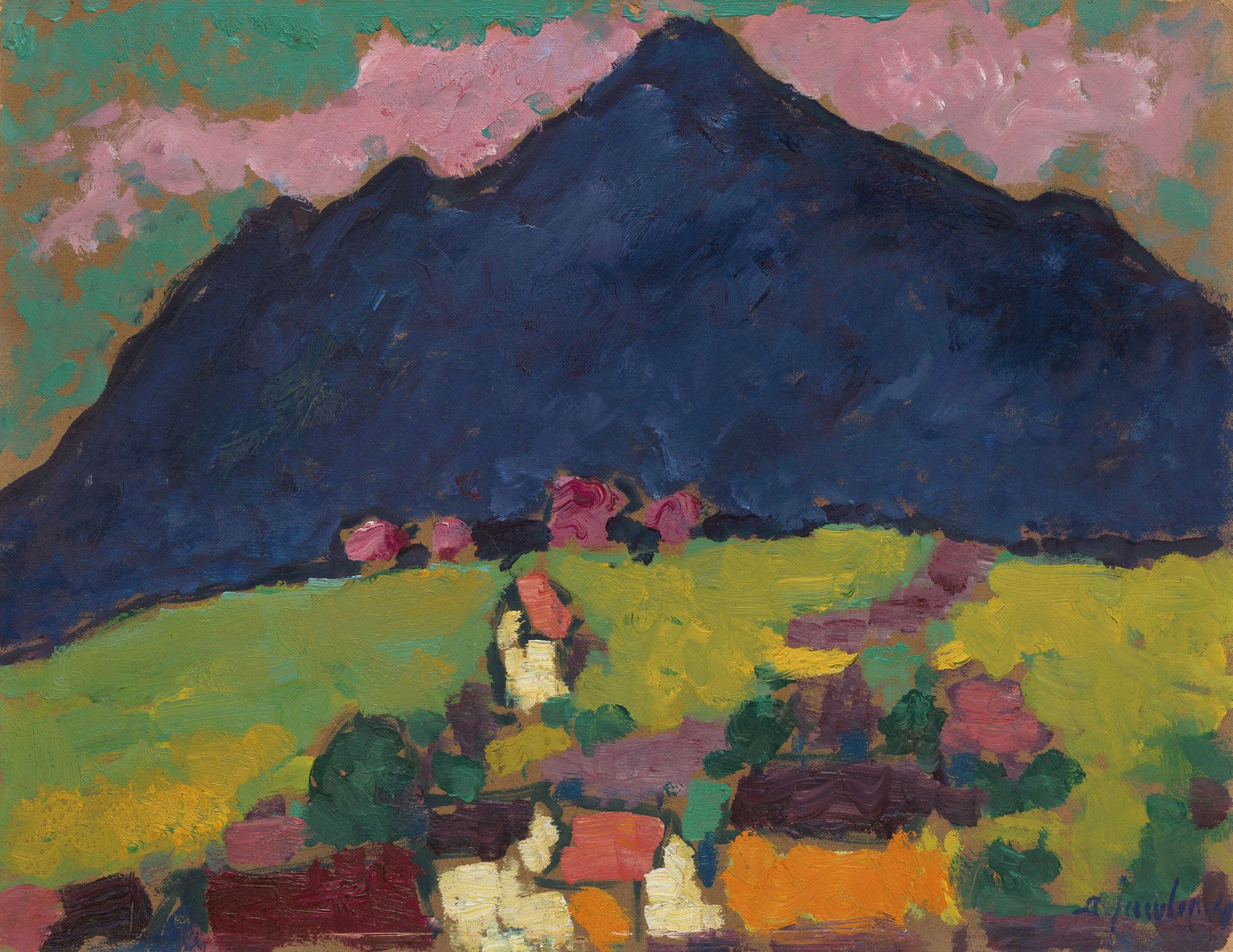
'Murnau.' Alexej von Jawlensky. 1910. Oil on board. 32.9 × 42.3 cm. Source: National Gallery of Art.
And lest anyone think this is solely about travel—though travel is indeed one of the most wonderful ways for a person to discover both themselves and the world—there is another pursuit, no less beautiful, that I engage in back in my village in Tihama: mountain climbing. It is a very slow-paced ritual, one that can involve spending hours simply observing the creatures that inhabit the mountains.
For those of us who live at the foot of the mountains, the paths available to us are usually those familiar to shepherds or those leading to water sources. Sometimes, we must carry a knife or an ax to clear a difficult trail, cutting through branches that obstruct the way. As you climb through ravines and make your way up the slopes, ax in hand, you may eventually reach a spot where you can spend the entire day without encountering another soul. There is nothing to occupy you but the mountains, the trees, and the sky. Even the cellular signal is gone. For hours, you have nothing to anticipate but the precious pleasure of solitude.
I will not dwell on the benefits of this ritual or the solitude it offers. It is enough that the mountains separate you from the clamor of everyday life and the noise of the digital world, allowing you to truly appreciate the simple blessing of being there.
Looking back on my time in South Africa, I realize that what has stayed with me most are the quiet moments when I felt wholly present in my surroundings. I have found that same feeling in the mountains of Tihama and, occasionally, when I get fully immersed in the act of writing. Perhaps this is what I have come to seek amid the distractions of modern life: the freedom to slow down, to give something my undivided attention, to let the hours pass unnoticed, and to carry a little of that gentle lemon scent with me long after the moment of holding them has passed.
Taher Al Zahrani a novelist and short story writer.