Edition #31
Edition #30
Edition #29
Edition #28
Edition #27
Edition #26
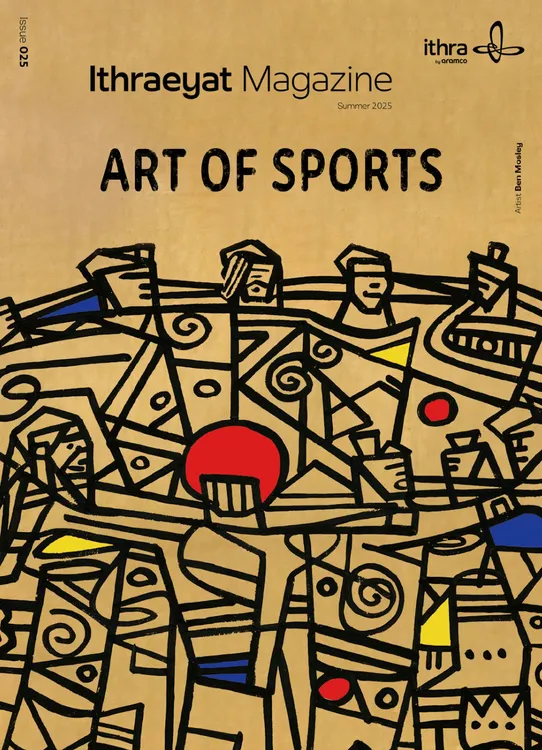
Edition #25
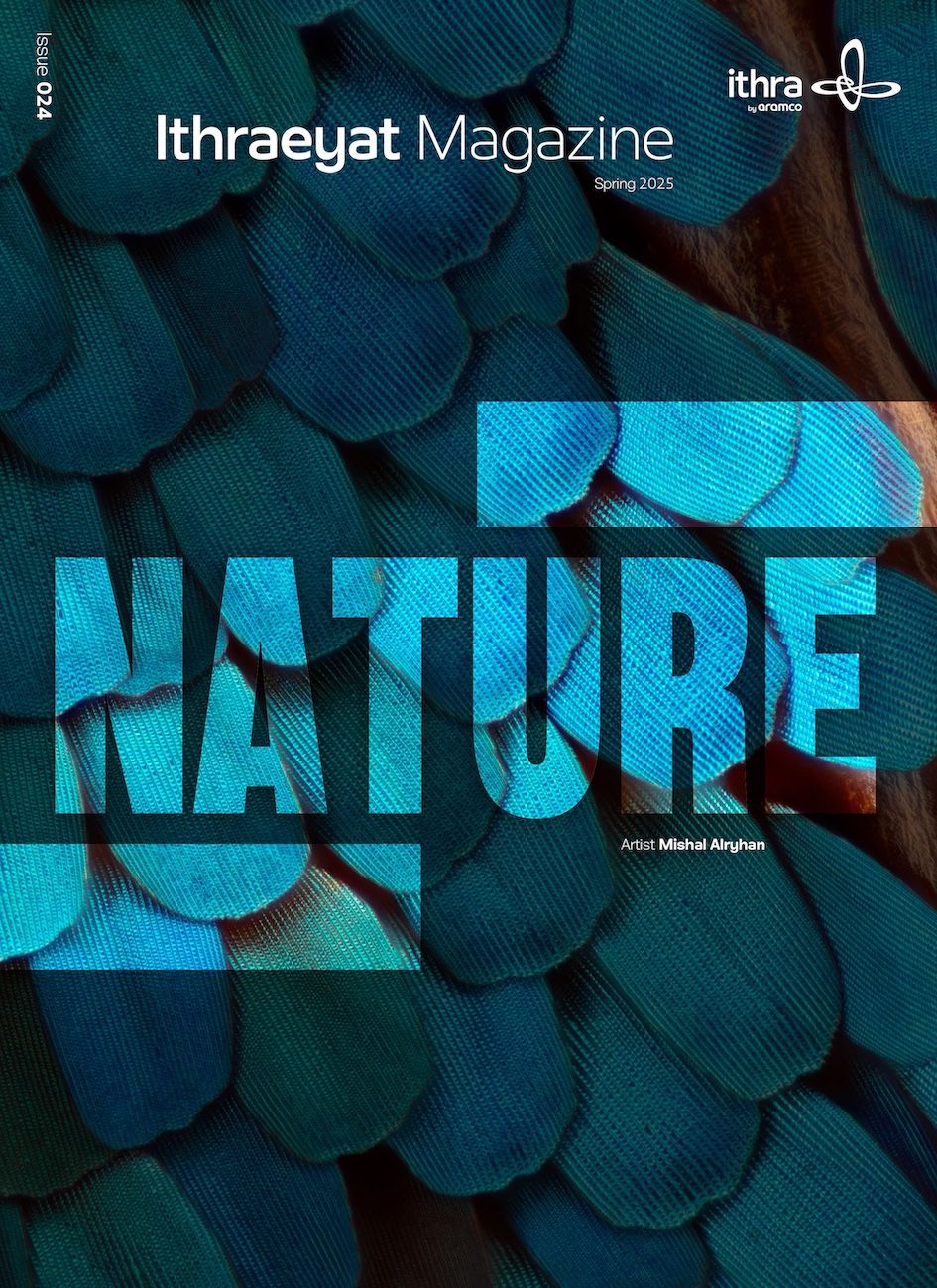
Edition #24
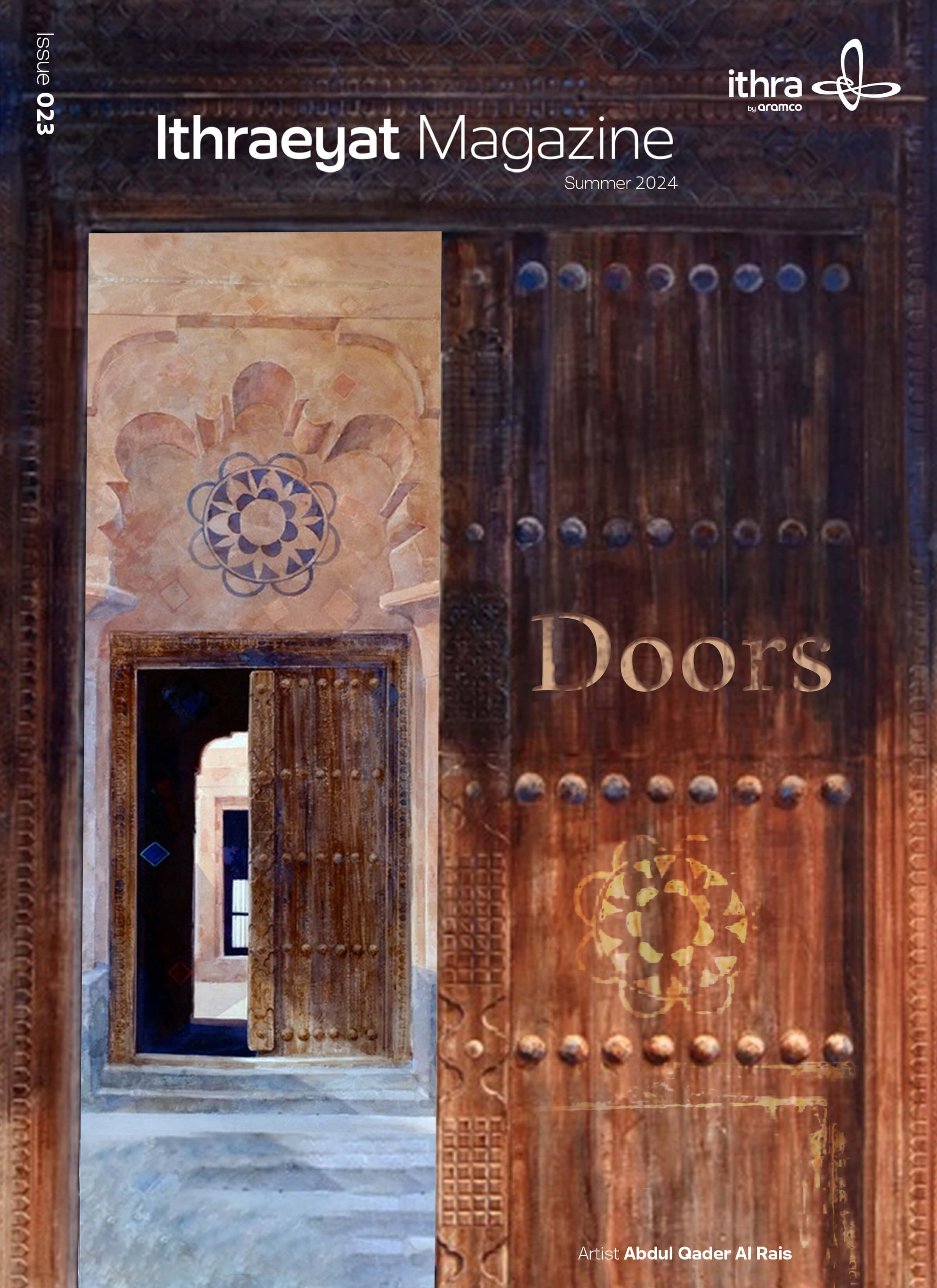
Edition #23
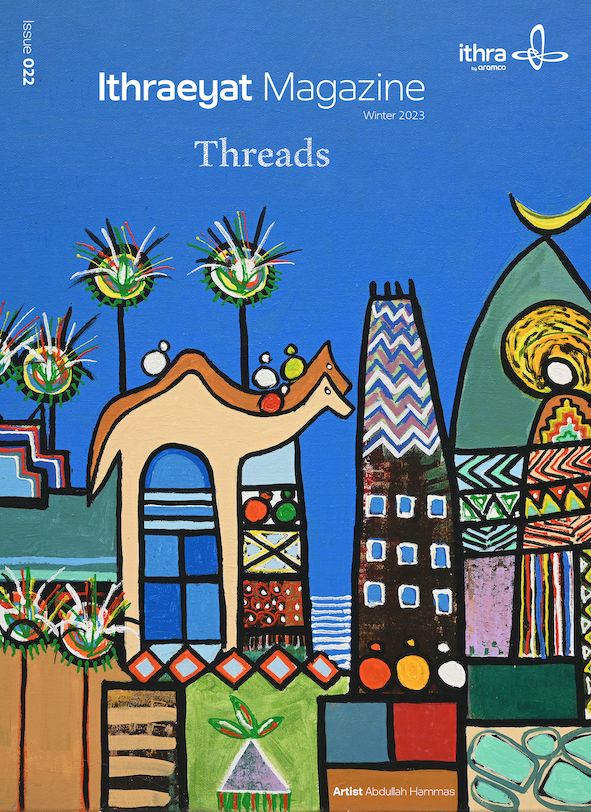
Edition #22
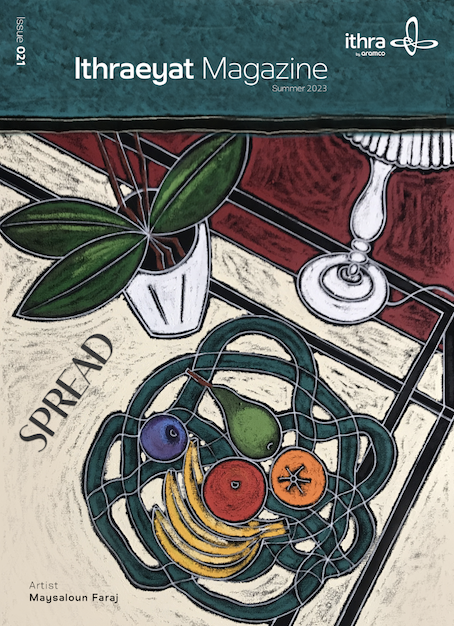
Edition #21
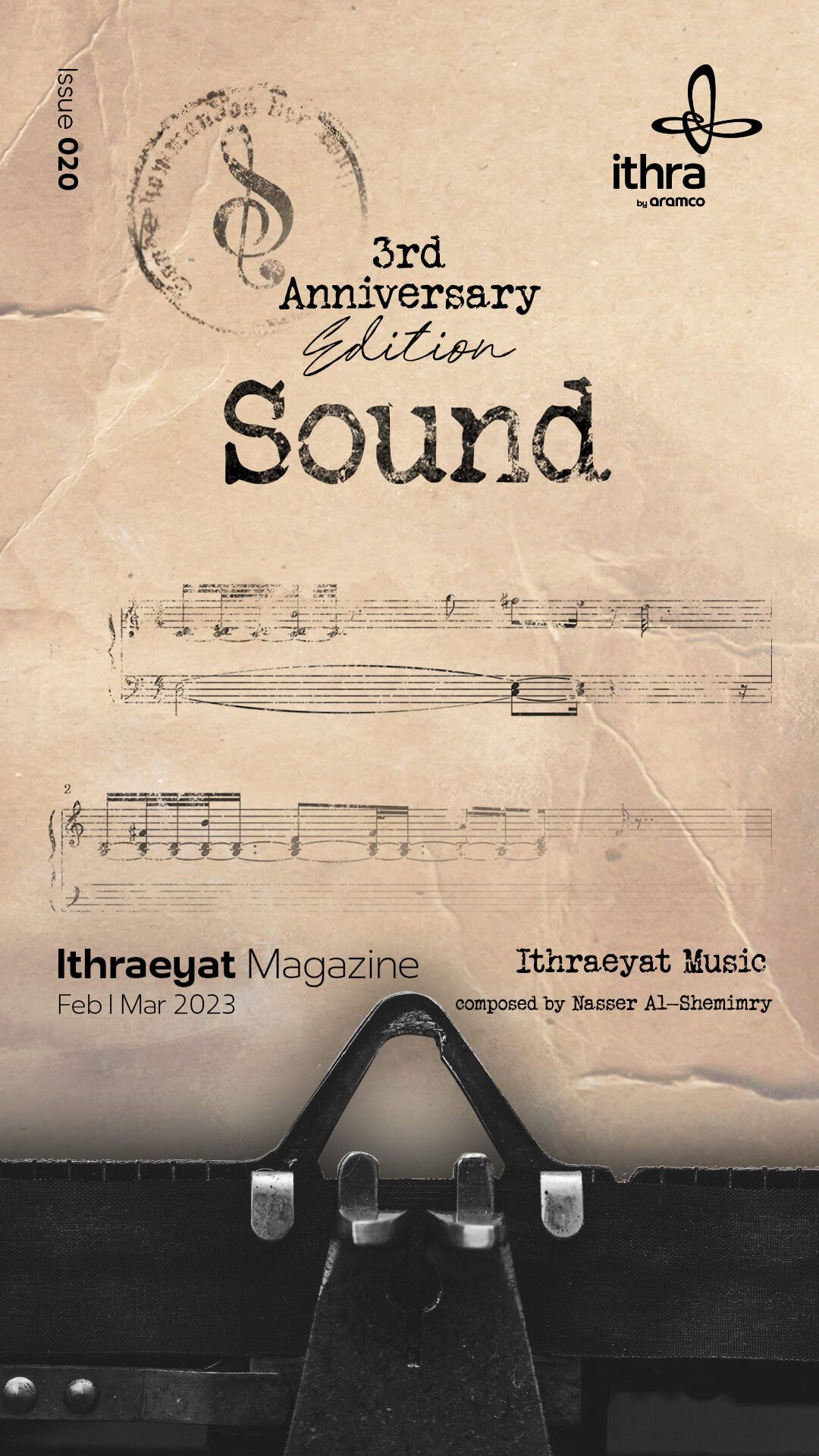
Edition #20
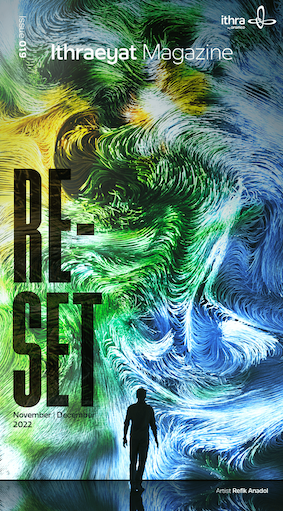
Edition #19
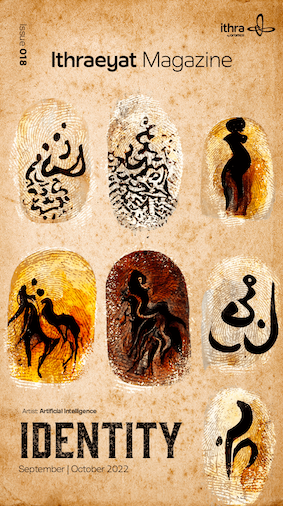
Edition #18
Edition #17
Edition #16

Edition #15

Edition #14

Edition #13
Edition #12
Edition #11
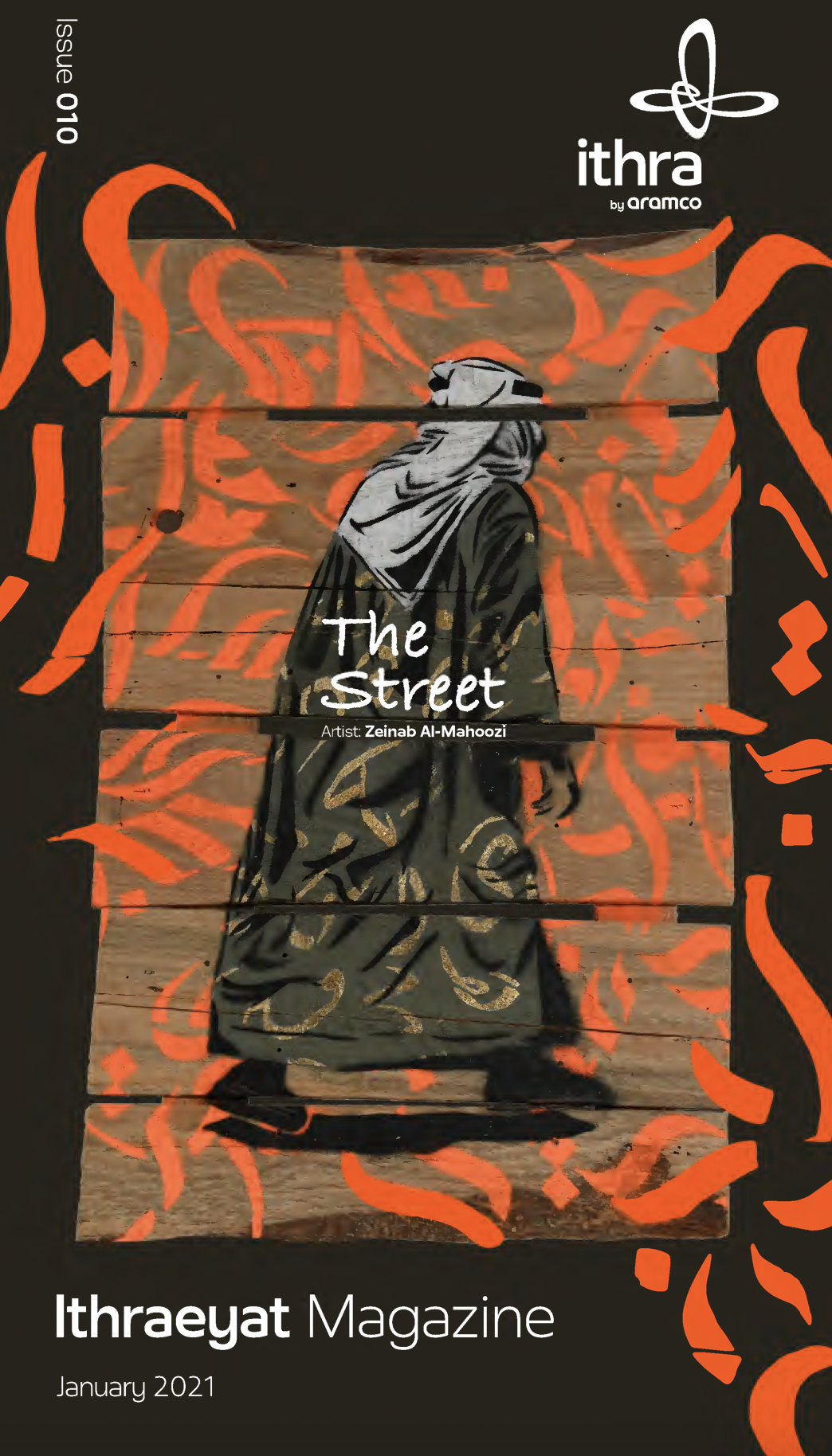
Edition #10
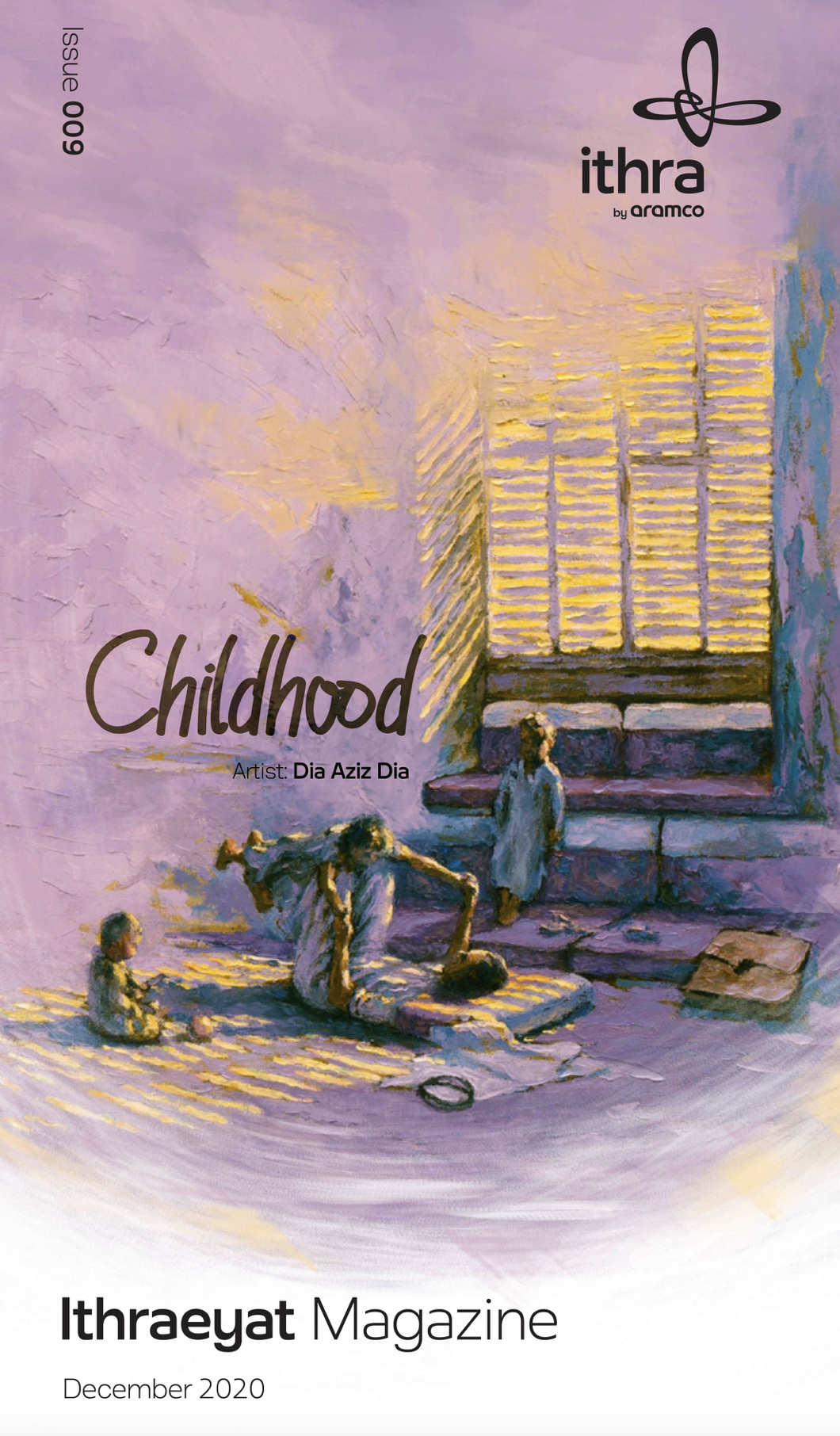
Edition #9

Edition #8
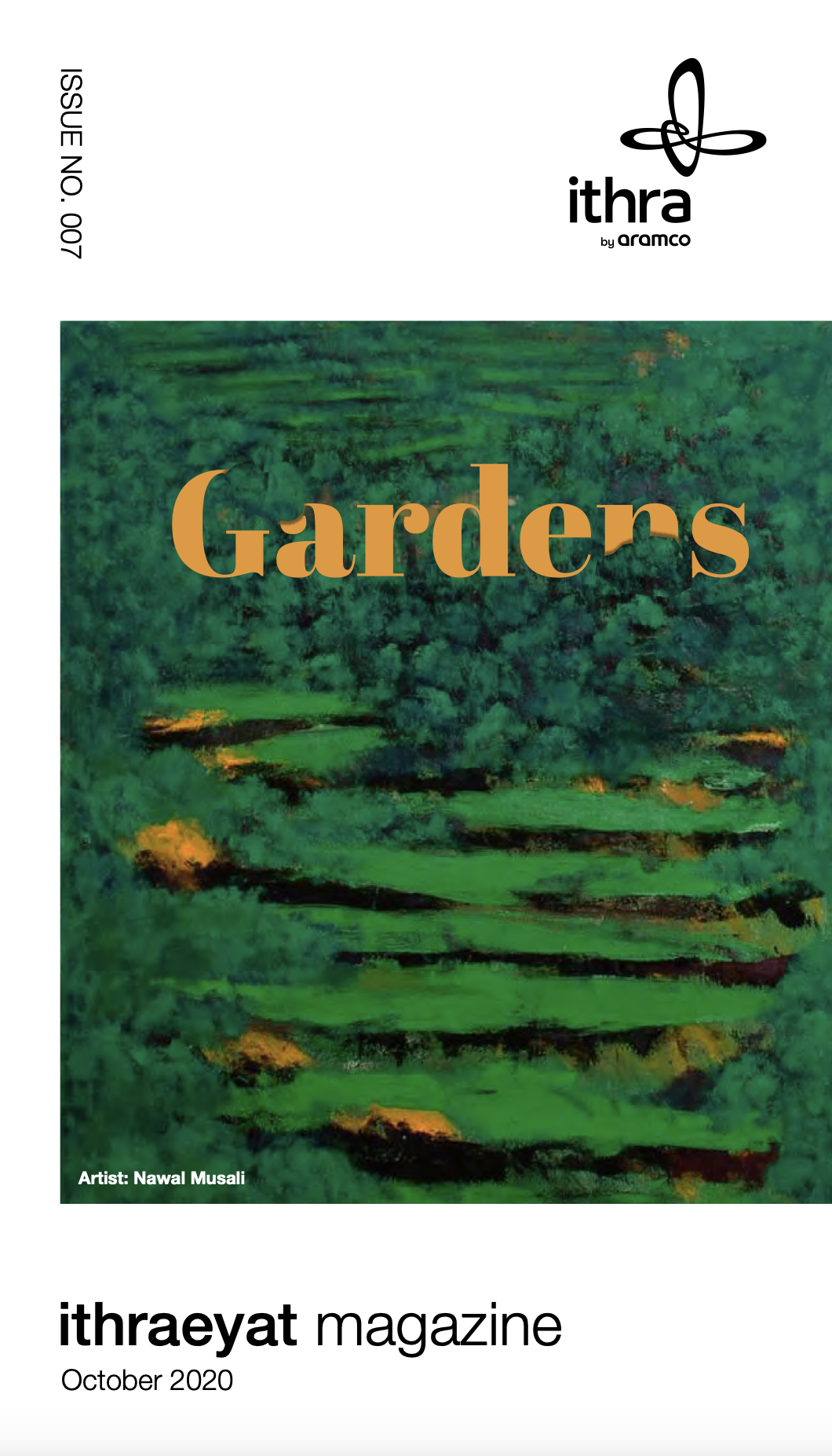
Edition #7
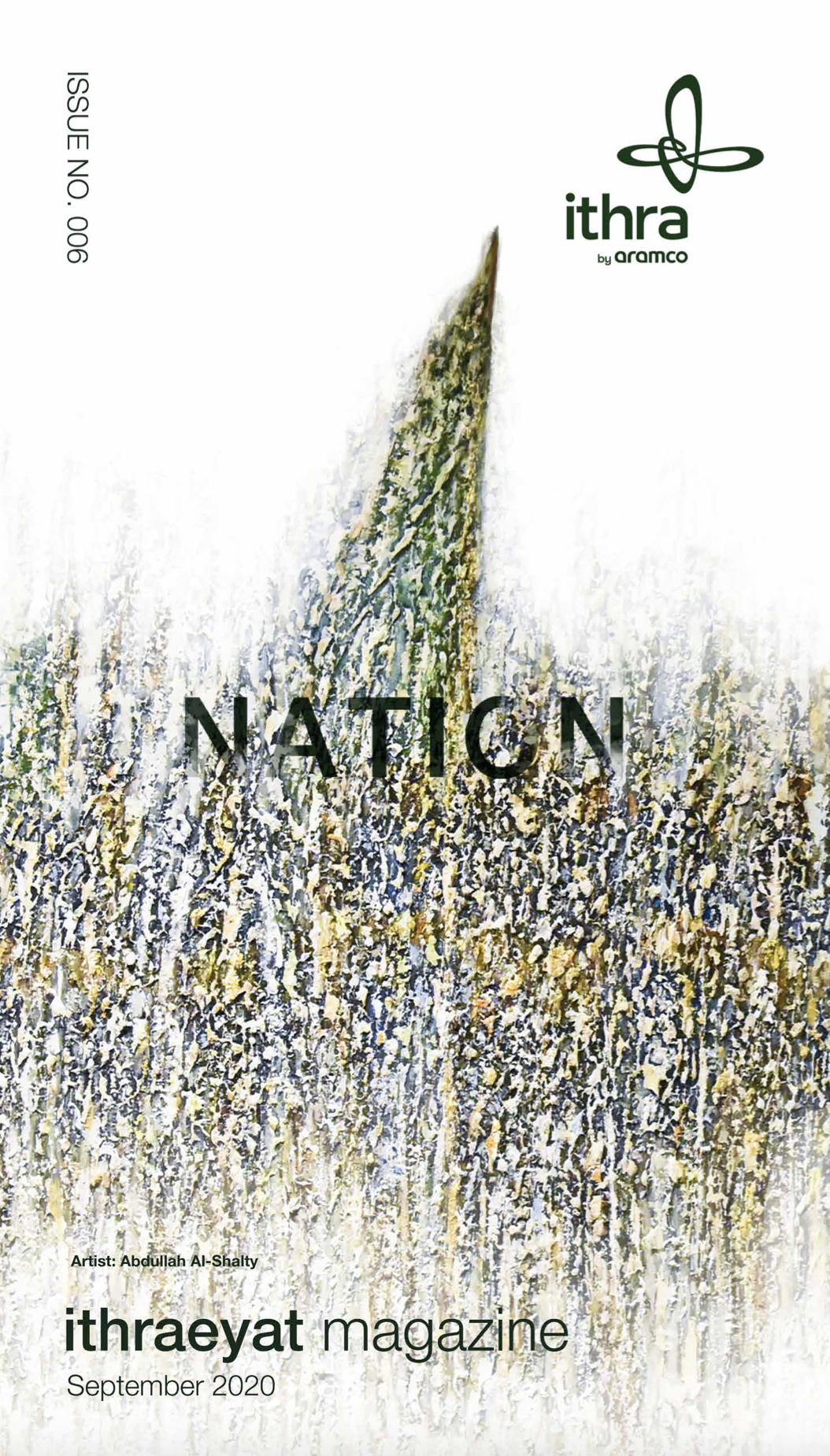
Edition #6
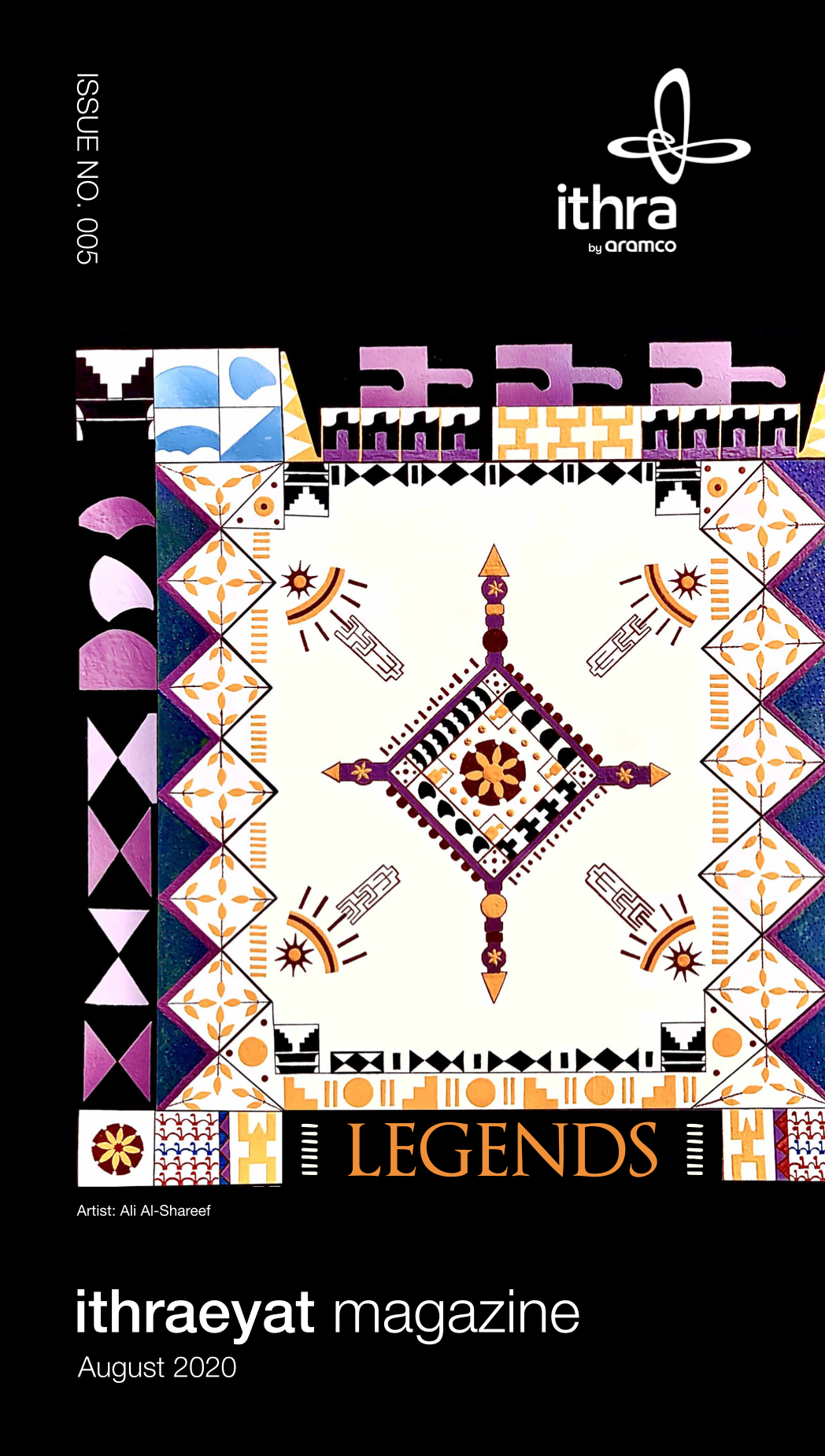
Edition #5
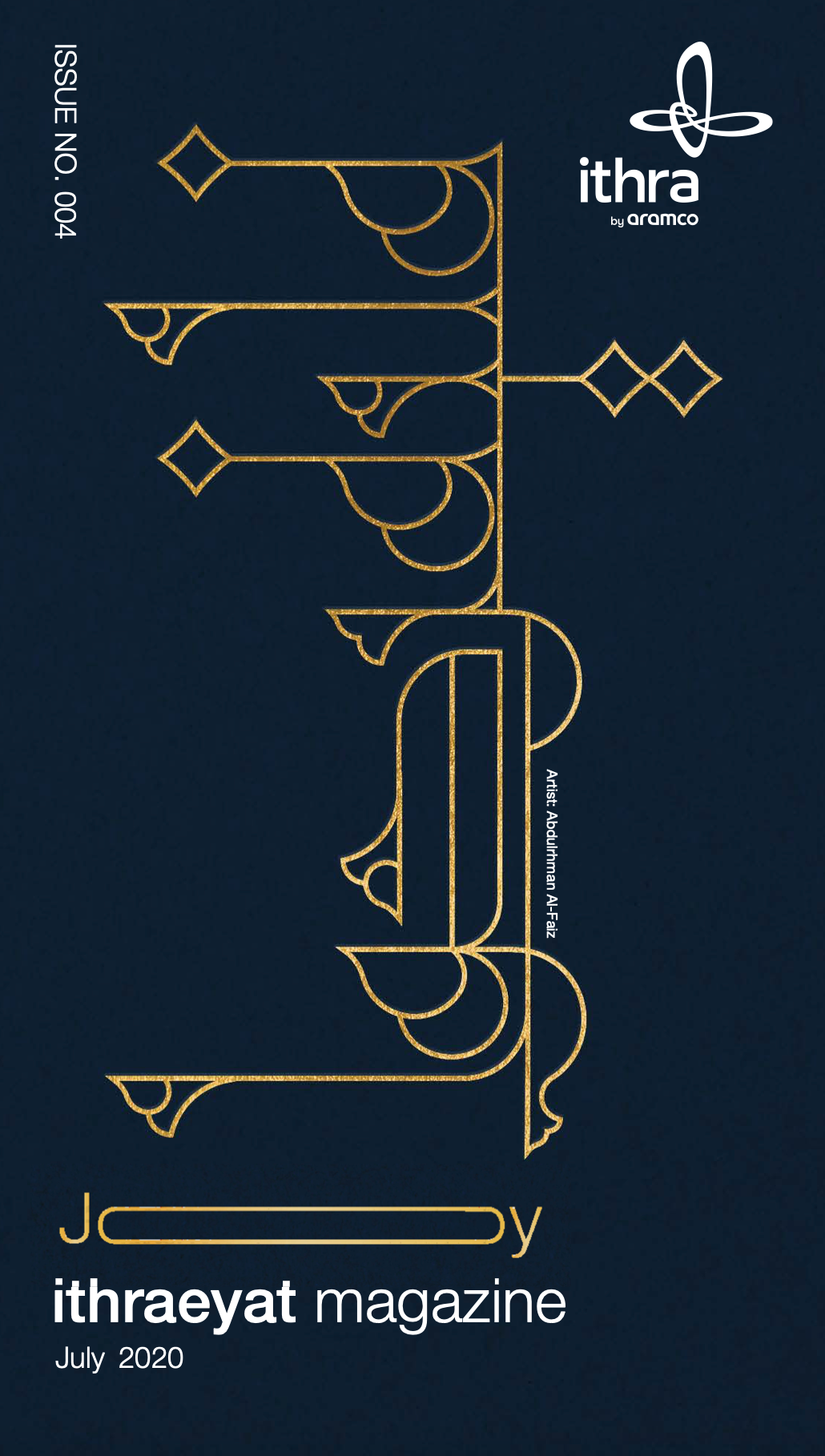
Edition #4
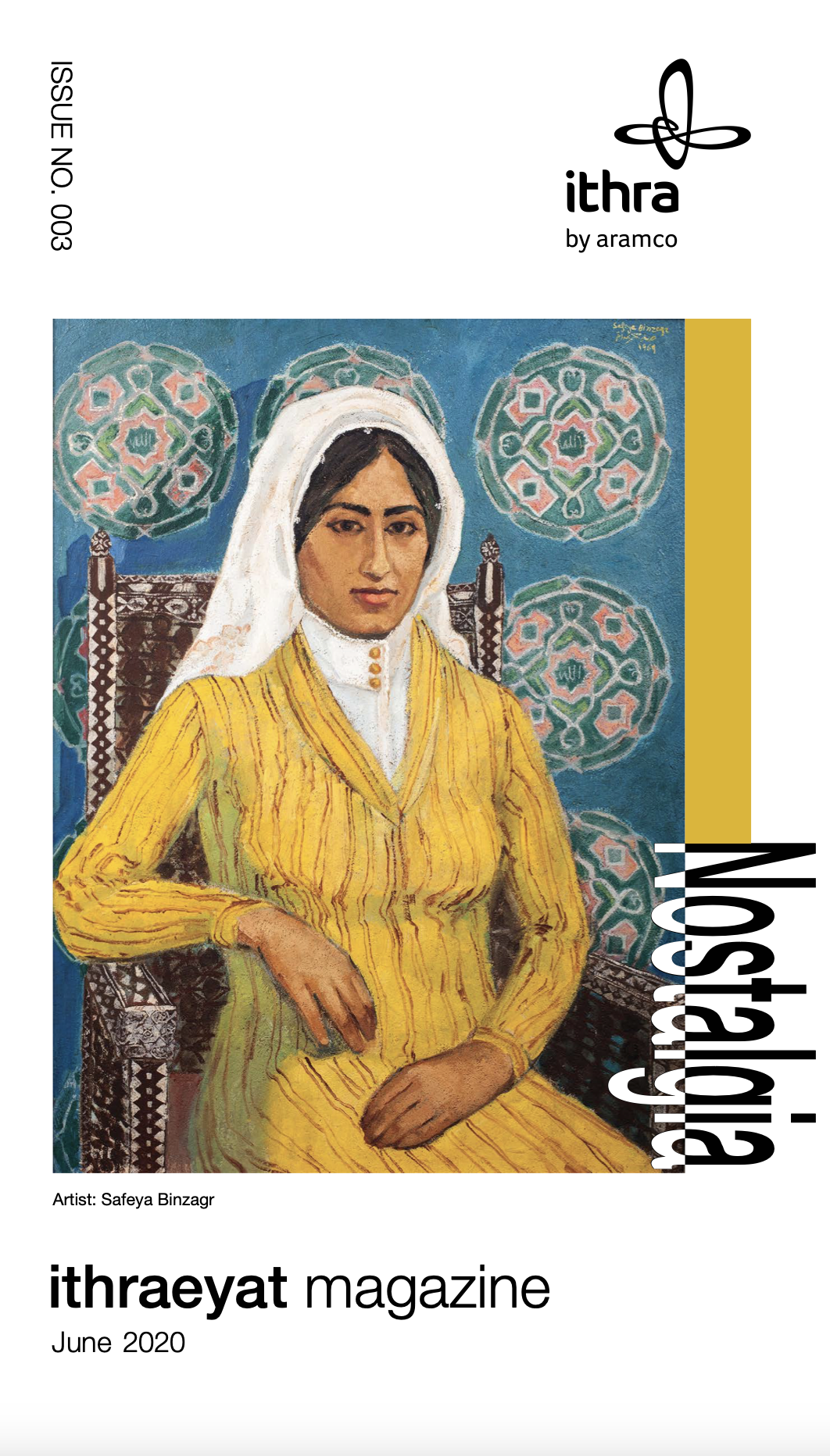
Edition #3
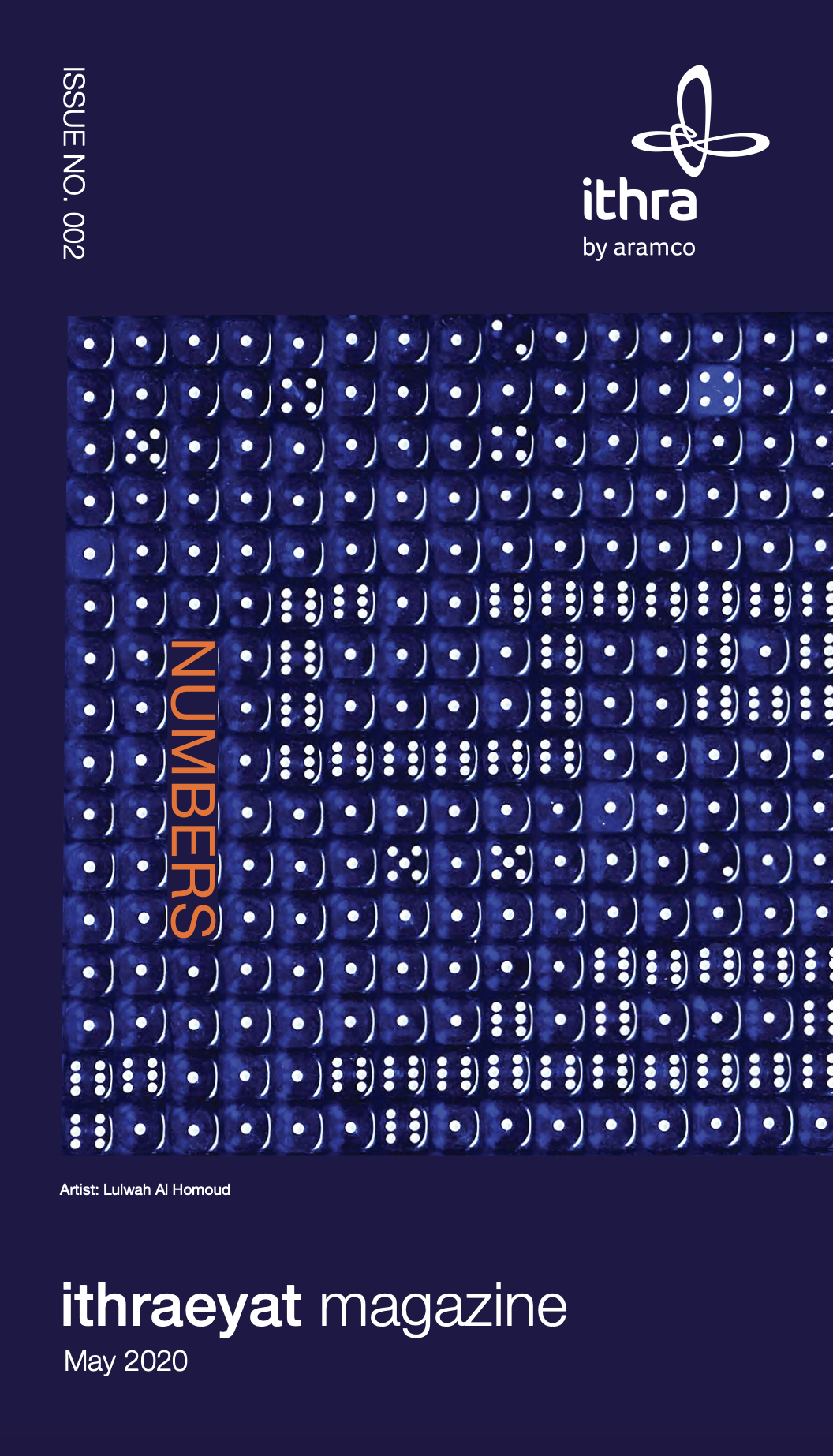
Edition #2
Edition #1
Arabic Treasures
Poetry in the Age of Algorithms
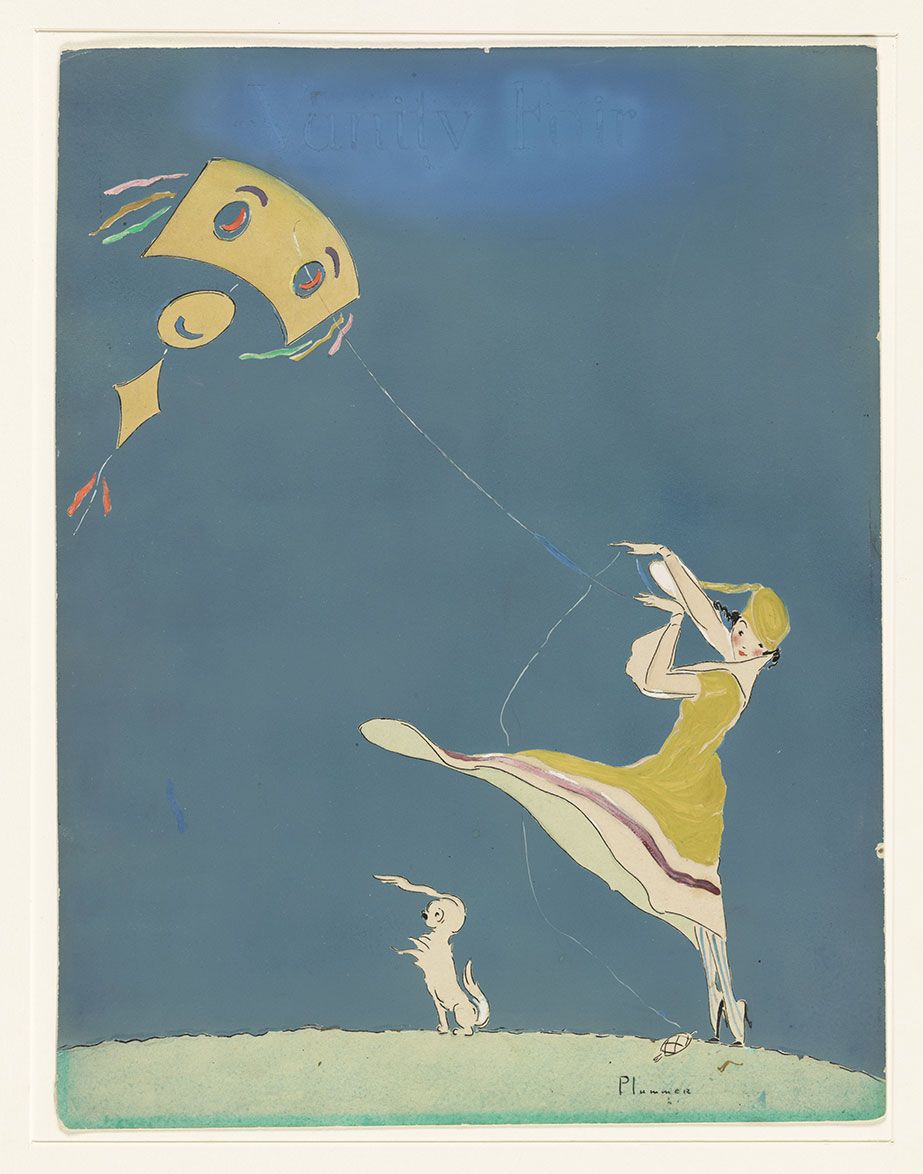
‘Girl with Kite and Dog.’ Ethel McClellan Plummer. 1917. Source: Public Domain Image Archive.
3 minutes read
December 30, 2026
Poet Robert Frost
Perhaps our need for poetry today is more urgent than ever, especially in an era where news, messages, and images flood our lives at a pace that often outstrips our own awareness. Poetry reshapes our relationship with ourselves, offering us the chance to reflect from a calm and conscious distance.
The Lebanese poet Shawqi Bzeih says: "Poetry brings about a slow and profound change; it does not command us to change; rather, it allows us to see the world through a different lens. And when the way we see things changes, so too does our relationship with them." This is what lies at the heart of the poetic experience: a poem does not so much add things to the world as it reveals what had previously escaped our sight, breathing new meaning into the familiar.
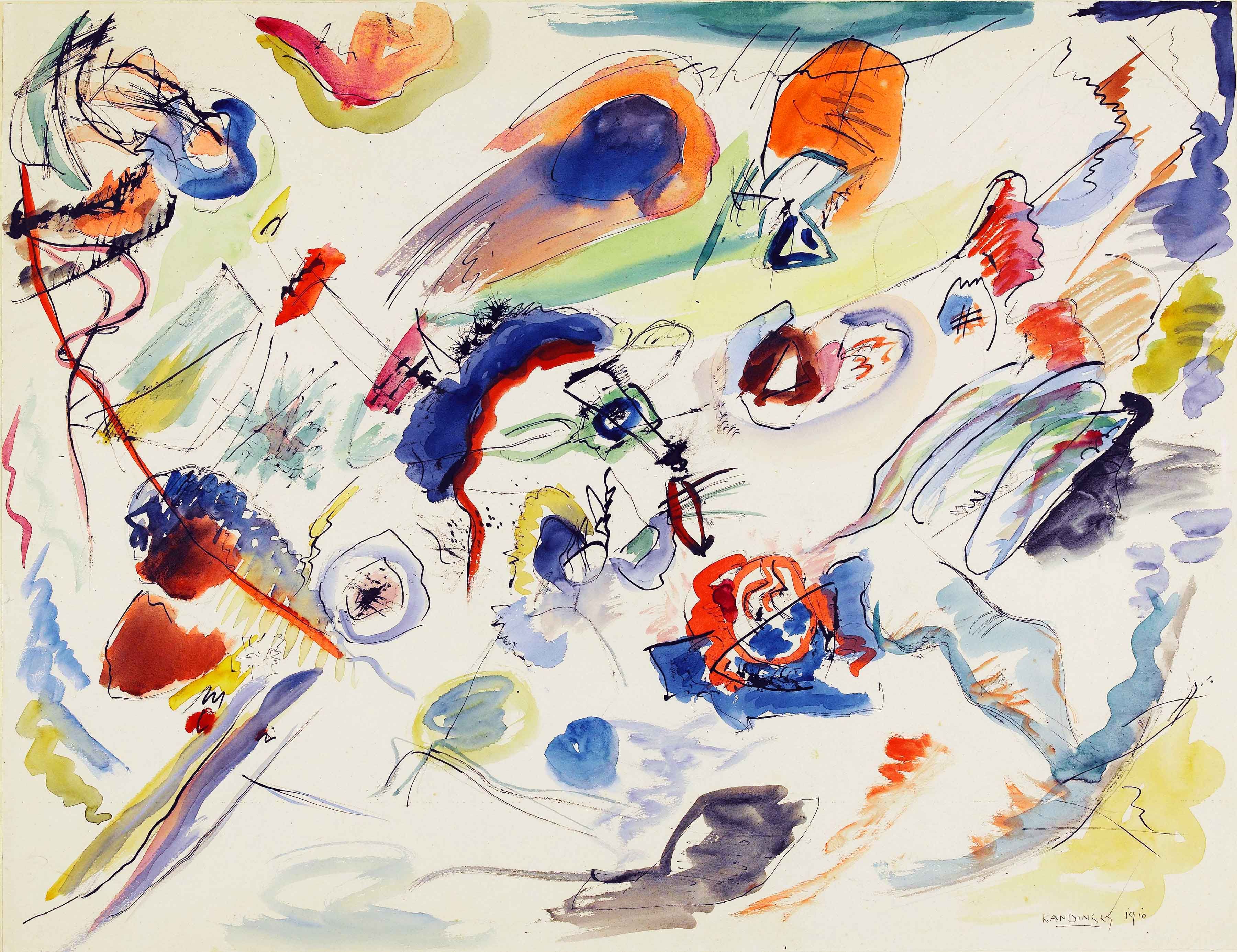
‘Untitled.’ Wassily Kandinsky, 1913. Source: Wikimedia Commons.
The American poet Robert Frost, meanwhile, believed that: “One thing I care about, and wish young people could care about, is taking poetry as the first form of understanding. If poetry isn’t understanding all, the whole world, then it isn’t worth anything.” Moving between change and understanding, poetry navigates the age of technology, not by competing with the speed of the screen, nor by promising an escape from the overwhelming deluge of images and information, but by reclaiming what such speed leaves in its wake: deliberation, attentiveness, and the capacity to listen; both to the world and to ourselves.
Regarding poetry in the age of technology, Mohamed Abu Zaid said: "I do not see the role of poetry as an escape from the age of technology; rather, it should engage with technology as a part of our reality, while maintaining the capacity to question it and reveal what it does to us. Poetry must expose the wound; for perhaps from that very wound, a rose may bloom. The poet must write about his surroundings: the bus he rides, the screens that stare back at him, the routine of his work, the sense of futility, the thousands of clips that drain his mind, and his daily struggle."
On the other hand, the poet Huda Al-Mubarak shares her take on the poetic experience by saying: "A poet is a sensitive and perceptive individual; someone who might be moved by a single word, a sound, or a scent. The practice of poetry serves as a daily exercise in engaging with details, memory, and ideas; it is a mental workout that sharpens focus and keen observation, allowing one to capture poetic fragments and sparks, while cultivating a sense of stillness And so, poetry turns toward nature, traffic lights, modern markets, grey forests, and the smiles of neighbors who are strangers. One of its strengths is that it leads the reader, even one who is not a poet, back to small details and the aesthetics hidden within them. In this way, poetry becomes an anchor that steadies us amidst the storms of life."
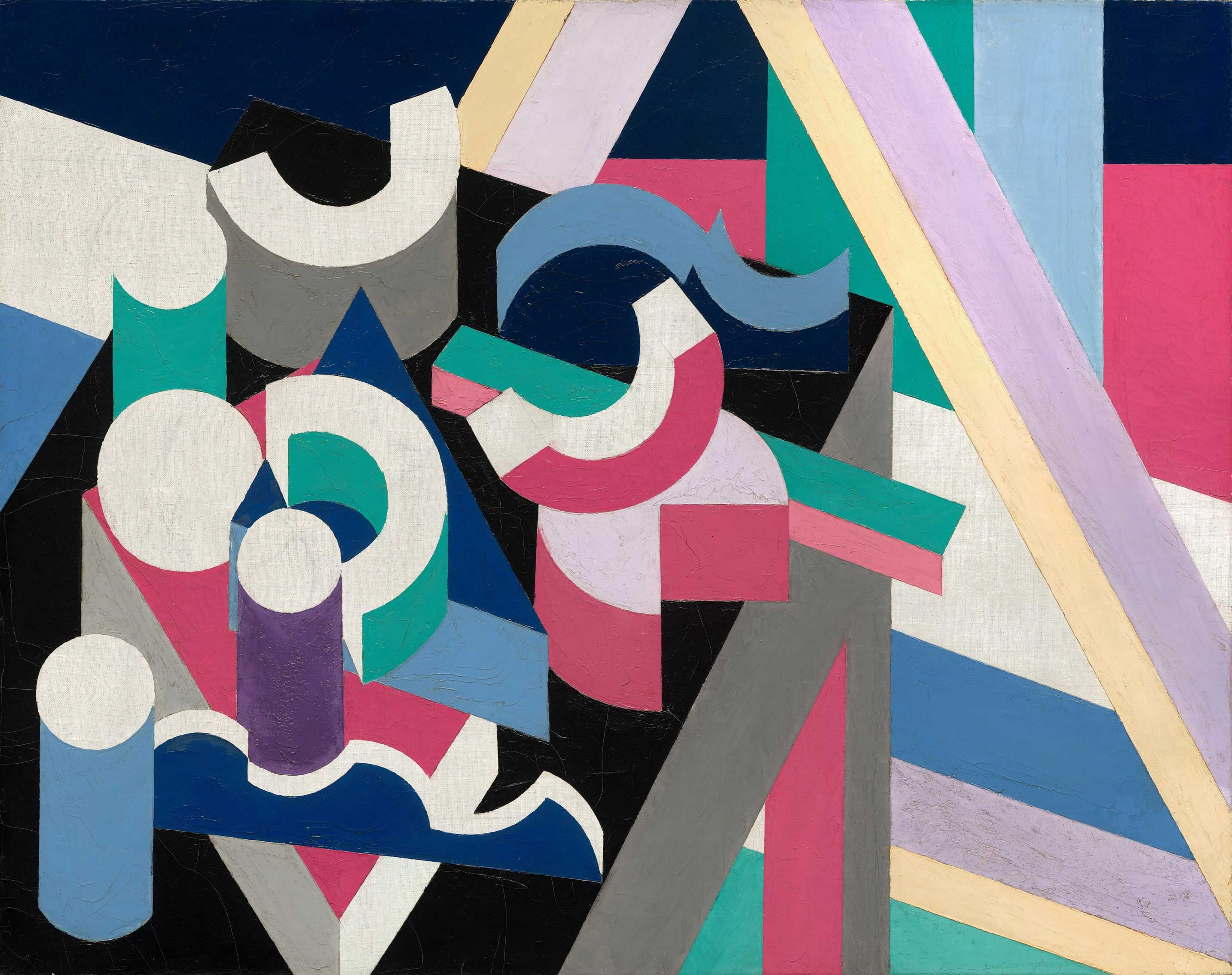
'Still Life.' Patrick Henry Bruce. 1924. Source: National Gallery of Art.
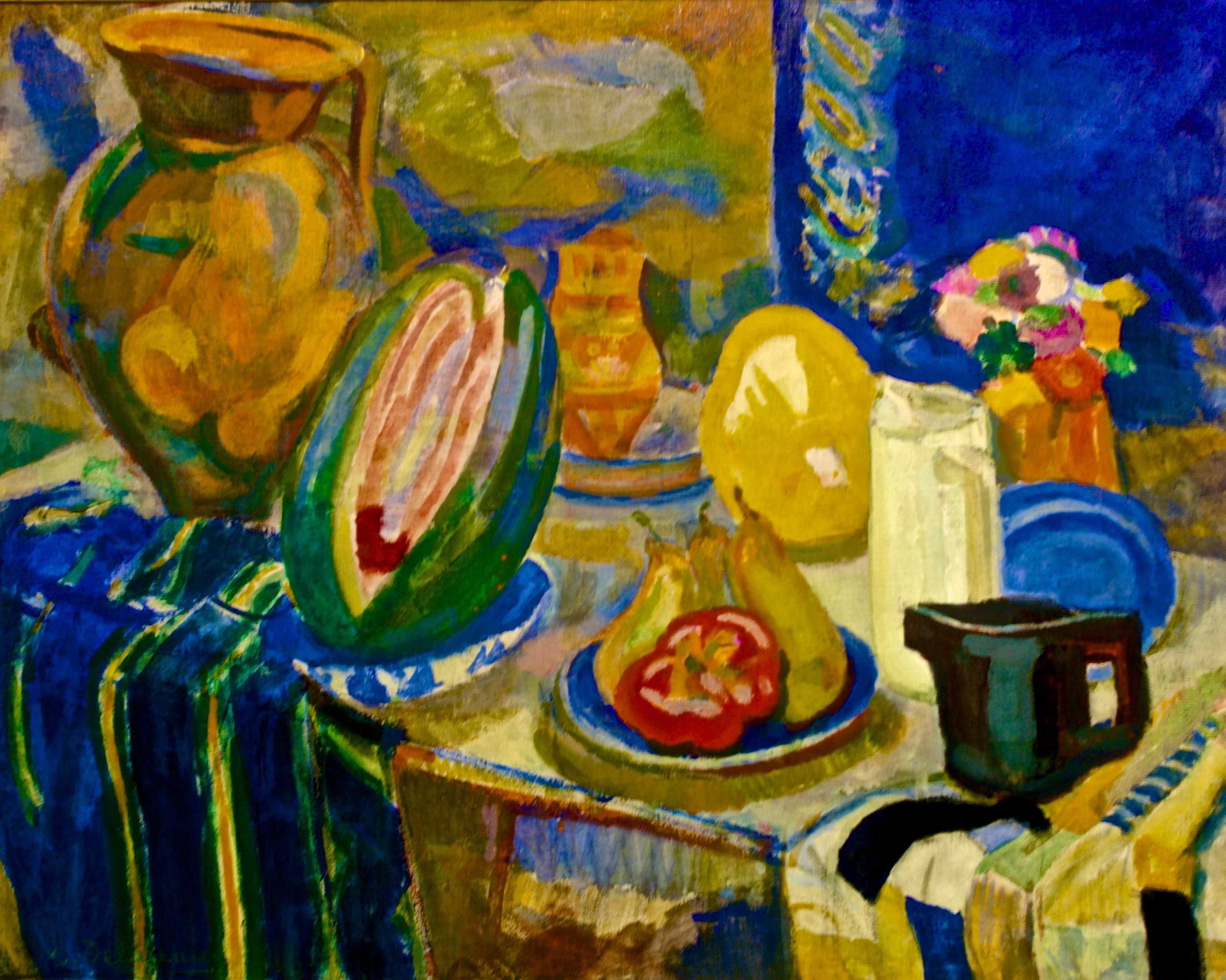
'Portuguese Still Life.' Robert Delaunay. 1915. Source: Wikimedia Commons.
Poet Mohammed Khader AlGhamdi rejects the idea of placing poetry and technology in direct opposition, he says: "A poet must grant this moment their full attention and contemplation, perceiving what might otherwise seem unworthy of notice. Poetry does not add beauty to the world; rather, it reveals a beauty that had previously escaped our attention, disrupts the familiar, and leaves us in awe of the vast amount of poetry that has yet to be written, The problem does not lie in the technical medium, but rather in our relationship with what we read, watch, and consume."
Thus, the profound humanistic mission of poetry emerges: it restores significance to the passing face encountered on the street, to the fleeting glance that might otherwise have vanished, unnoticed, reminding us that behind every face lies a story, and within every human being exists an entire world of passion, pain, and hope. In doing so, it may well liberate us from the shell of our own self-absorbed, virtual existence, reconnecting us with those from whom we have become estranged.
Mutaz Quteineh is a writer and poet.