Edition #31
Edition #30

Edition #29

Edition #28
Edition #27
Edition #26

Edition #25
Edition #24

Edition #23
Edition #22
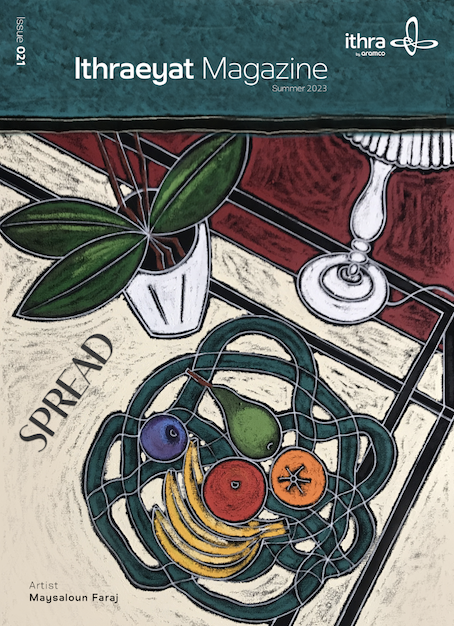
Edition #21

Edition #20

Edition #19
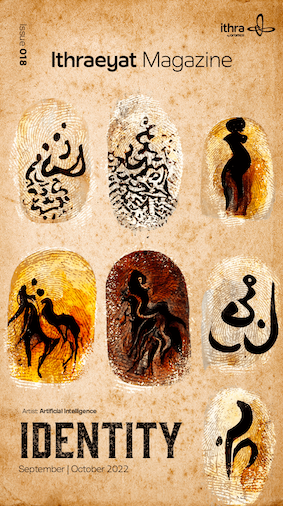
Edition #18

Edition #17

Edition #16

Edition #15

Edition #14

Edition #13
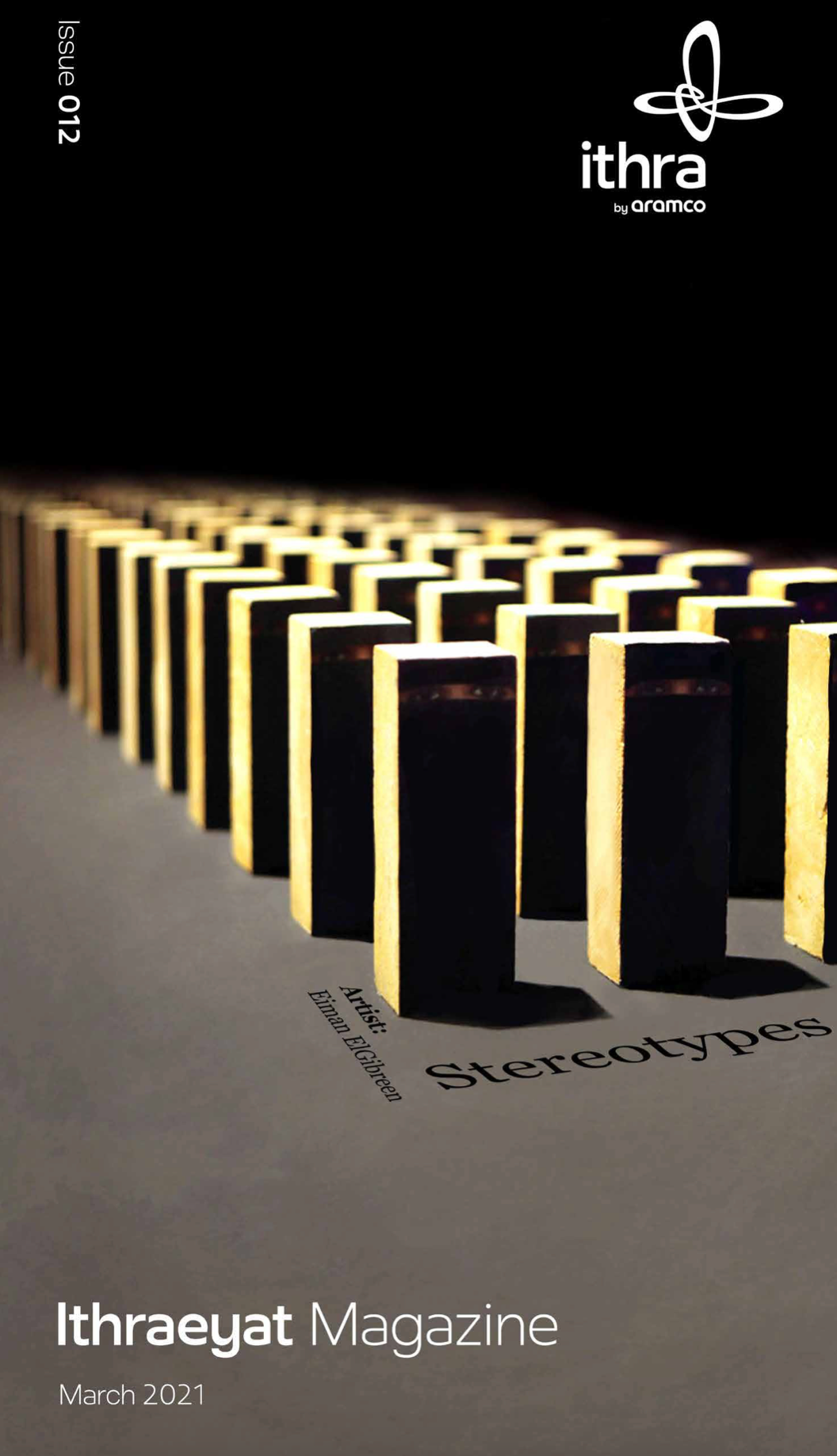
Edition #12
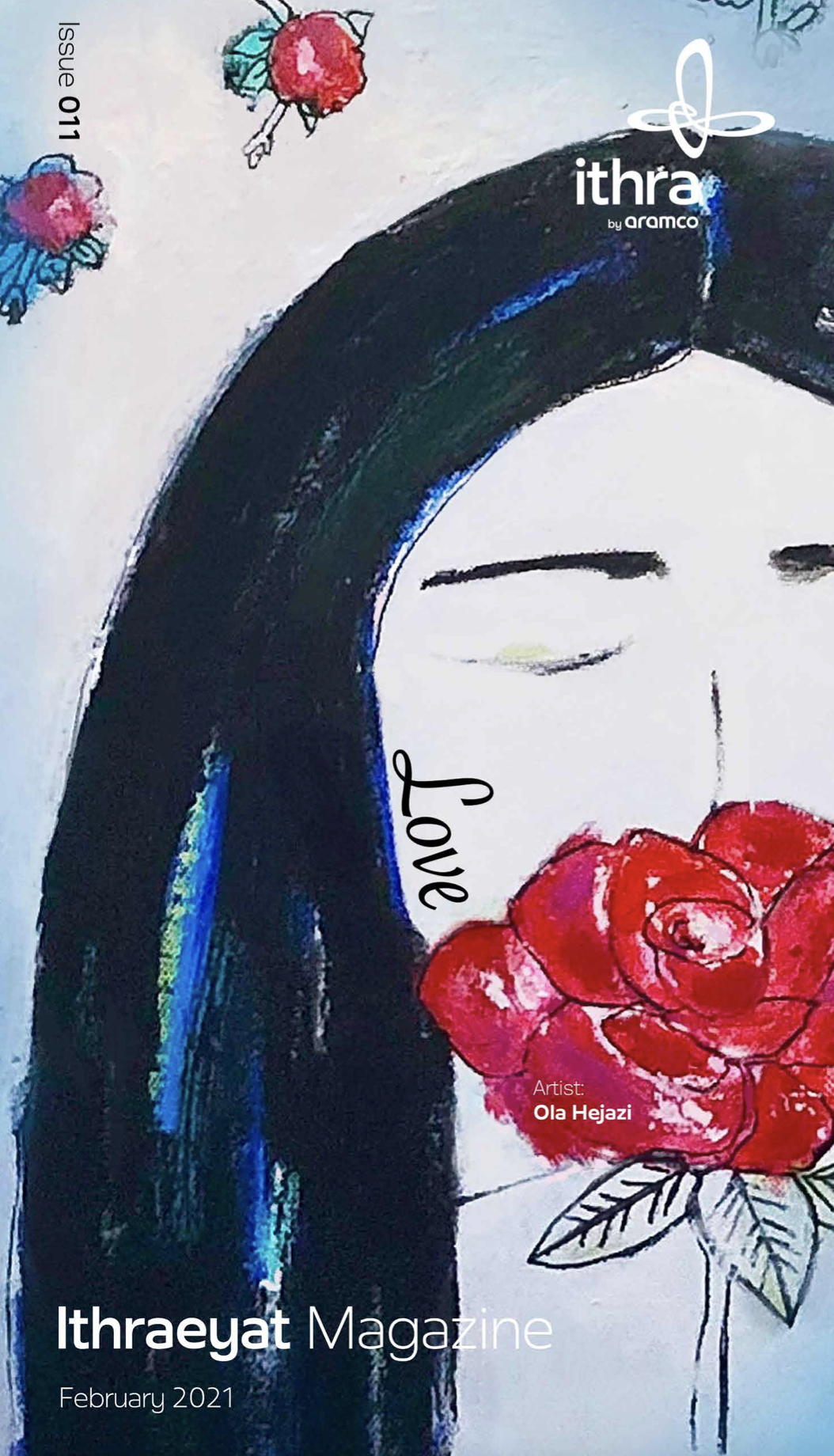
Edition #11

Edition #10
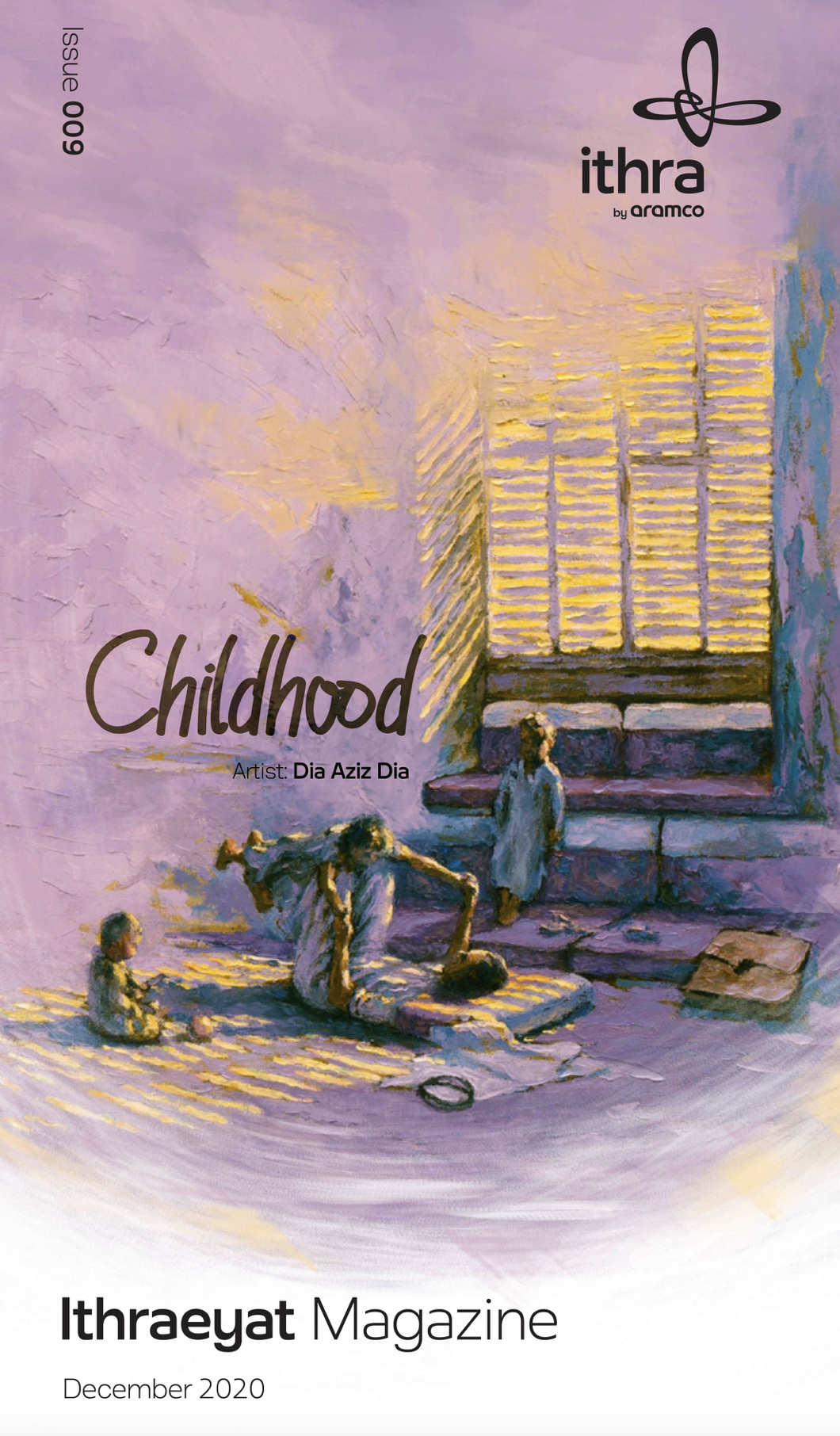
Edition #9

Edition #8
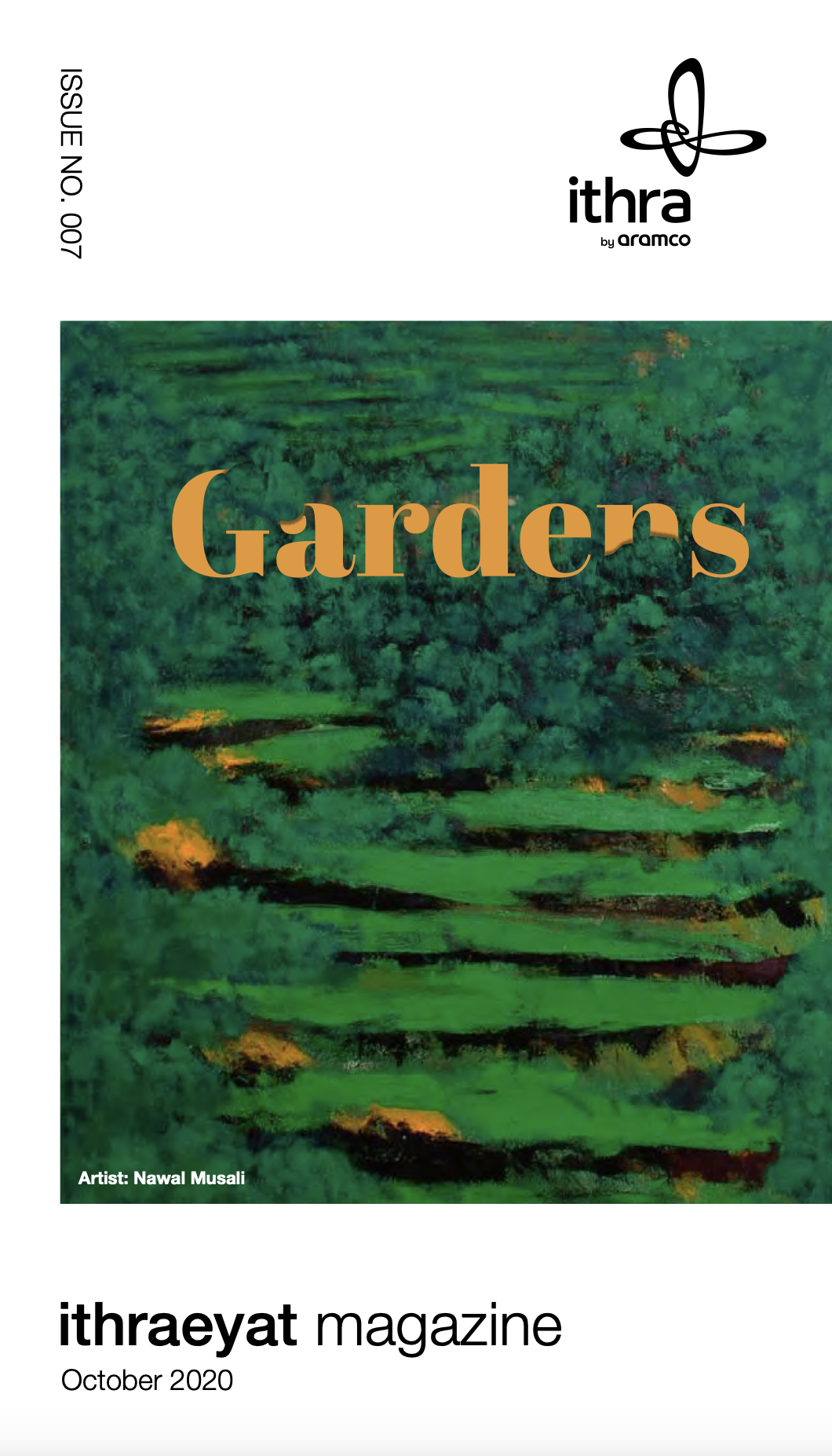
Edition #7
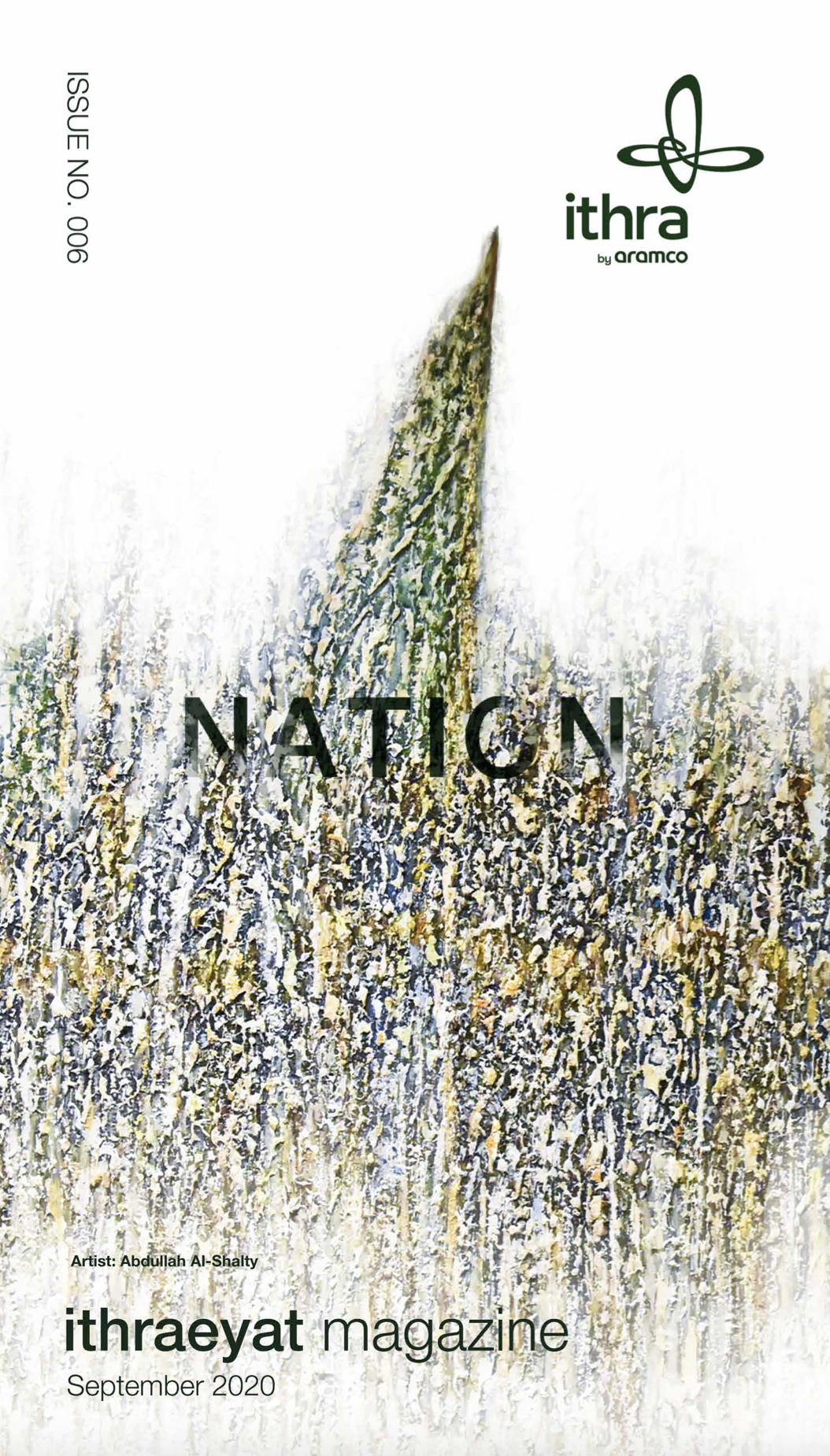
Edition #6

Edition #5

Edition #4

Edition #3

Edition #2
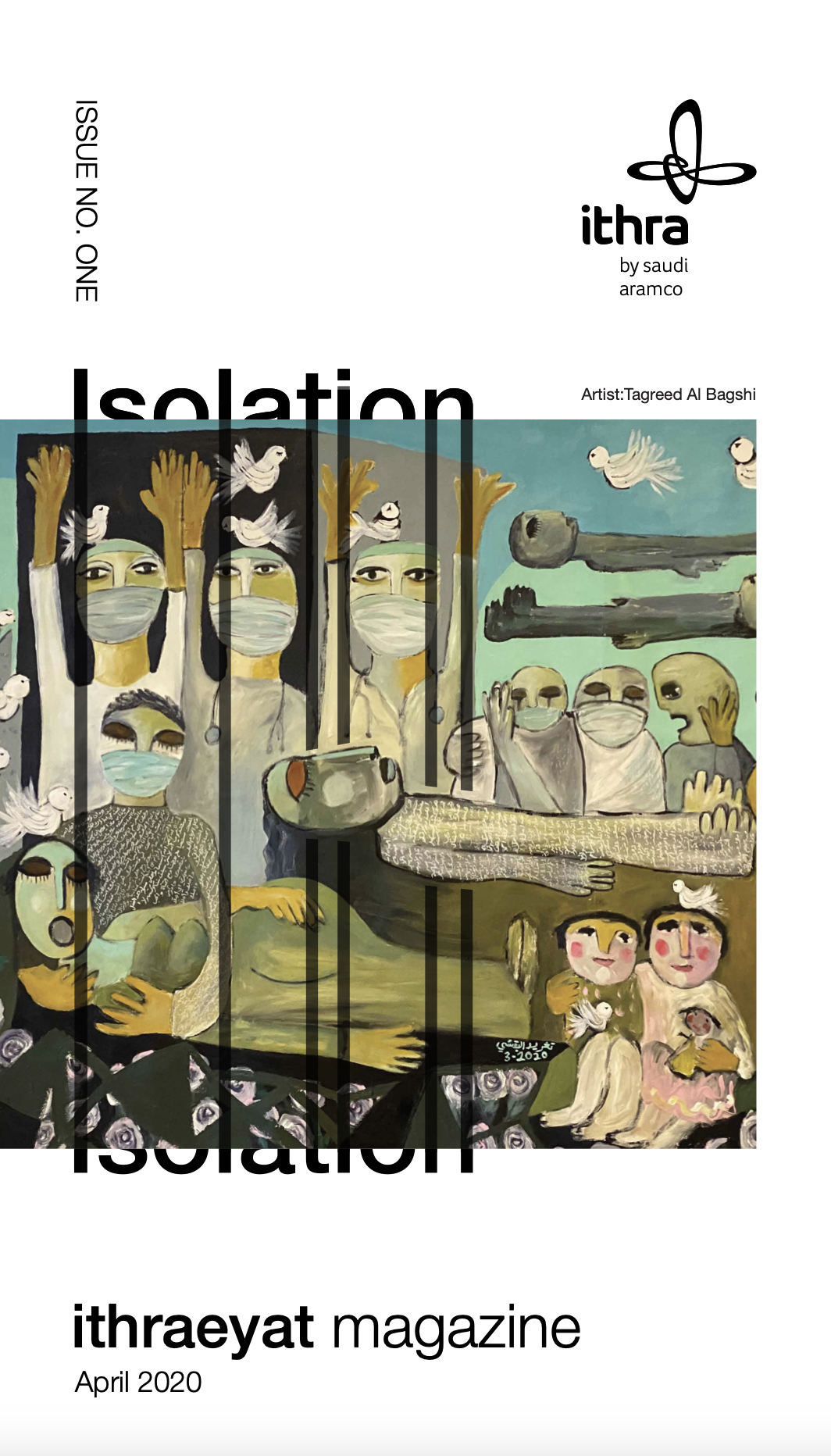
Edition #1
Guest Columnist:
What is the Hurry?
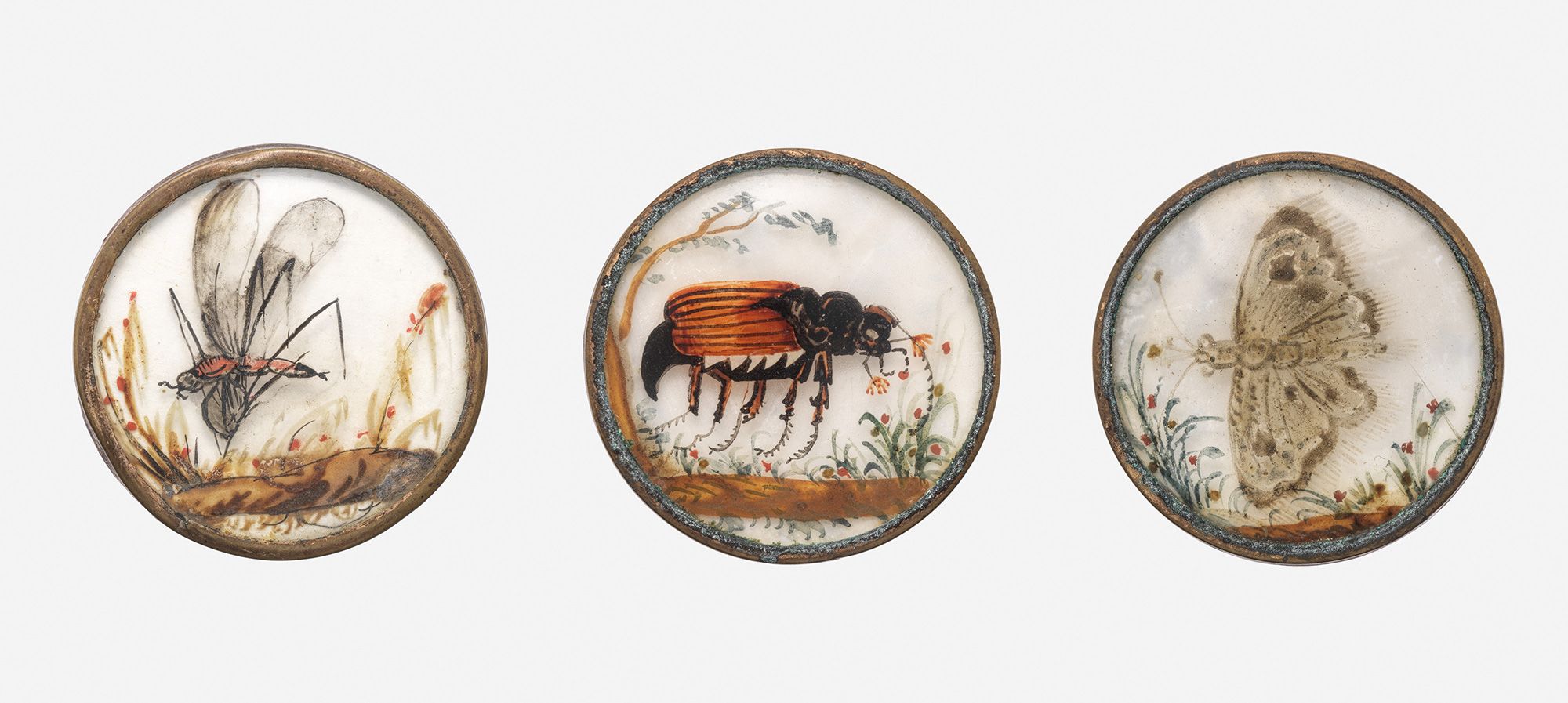
'The Art of Buttons.' Glass buttons from France. 1775. Source: The Metropolitan Museum of Art.
4 minutes read
December 30, 2026
Could we live like flowers, enjoying the present without worrying about tomorrow?
We often stop to observe the curious behavior of living creatures, only to carry on without giving them another thought. We might marvel at the way a Sitona weevil plays dead until danger passes; or watch children as they run about, happily shaking their hands to show just how firmly the insects cling to their little finger tips, calling them their ‘falcons.’
After rainfall, we might catch sight of the vivid red hue of velvet mites (Trombidiidae) emerging from the sand. Their striking color draws us in, perhaps prompting us to touch one or pause for a closer look. A young girl might even collect a few, keeping them as a gift in a small box with a perforated lid. Such encounters with the animal kingdom are commonplace, yet we rarely dwell on them or allow them to take on a meaning beyond their natural setting.
Then, one ordinary morning, as we hurry to work, something unexpected catches our eye. A sea daffodil peeks out from among thorny green branches, its delicate mauve petals surrounding a cluster of yellow stamens. But when we return after a long day’s work, the flower has seemingly vanished. In its place is something resembling a tuft of white wool caught on a protruding thorn.
We continue on our way, wondering whether we imagined the whole thing. The petals are gone, the color has disappeared, and we begin to doubt what we saw. We fail to realize that we have arrived far too late, and we remain entirely ignorant of the plant itself. What we once took for an illusion or a trick of the mind recurs, yet our haste drives us forward each time without ever pausing to verify what we see, or to truly grasp it. And should we dismiss the very possibility of its existence, a lingering doubt emerges—a sense of being lost, having long since forfeited any trace of it in this place.
One day, our gaze wanders somewhere unexpected, and there it is again, growing beside our home, as though it had followed us. Being this close, we have the time to linger before it, watching it as intently as one might watch a culprit, waiting to catch them in the act. Over the course of several days, we observe it undergoing a nastic movement—a type of plant response—as it gradually closes before our very eyes in the late morning. It folds its elongated petals inward, shielding itself from the harsh intensity of the sun. Its color turns white—a whiteness that persists throughout the night—until, at the break of dawn, a captivating mauve-like hue begins to suffuse its five petals. It unfurls at a leisurely pace, yet only a few hours later, it retracts once more, withdrawing from the face of the sun.
There is something about witnessing this transformation that goes beyond recalling what we know of plants and their responses to touch, temperature, light, and humidity. Knowledge comes alive before our eyes, stirring personal reflections, and opening the door to a seemingly endless world of poetic possibilities.
Consider the wild narcissus. Its white, trumpet-shaped flower opens in the morning, only to wilt by evening, or at most, the following day. We might see in its fleeting beauty a reflection of how quickly things pass. Yet the very next day, another flower may bloom on a neighboring stem, destined for the same brief existence. In this succession, we might find a different meaning: the persistence of life despite its transience.
Or consider the snow-white blossoms of baby’s-breath, held in place by stems so slender they are almost invisible, making the flowers appear to float midair. Their resilience in the face of fierce gusts and torrential rain is perhaps the most fitting expression of their nature, even if remaining upright is a struggle.
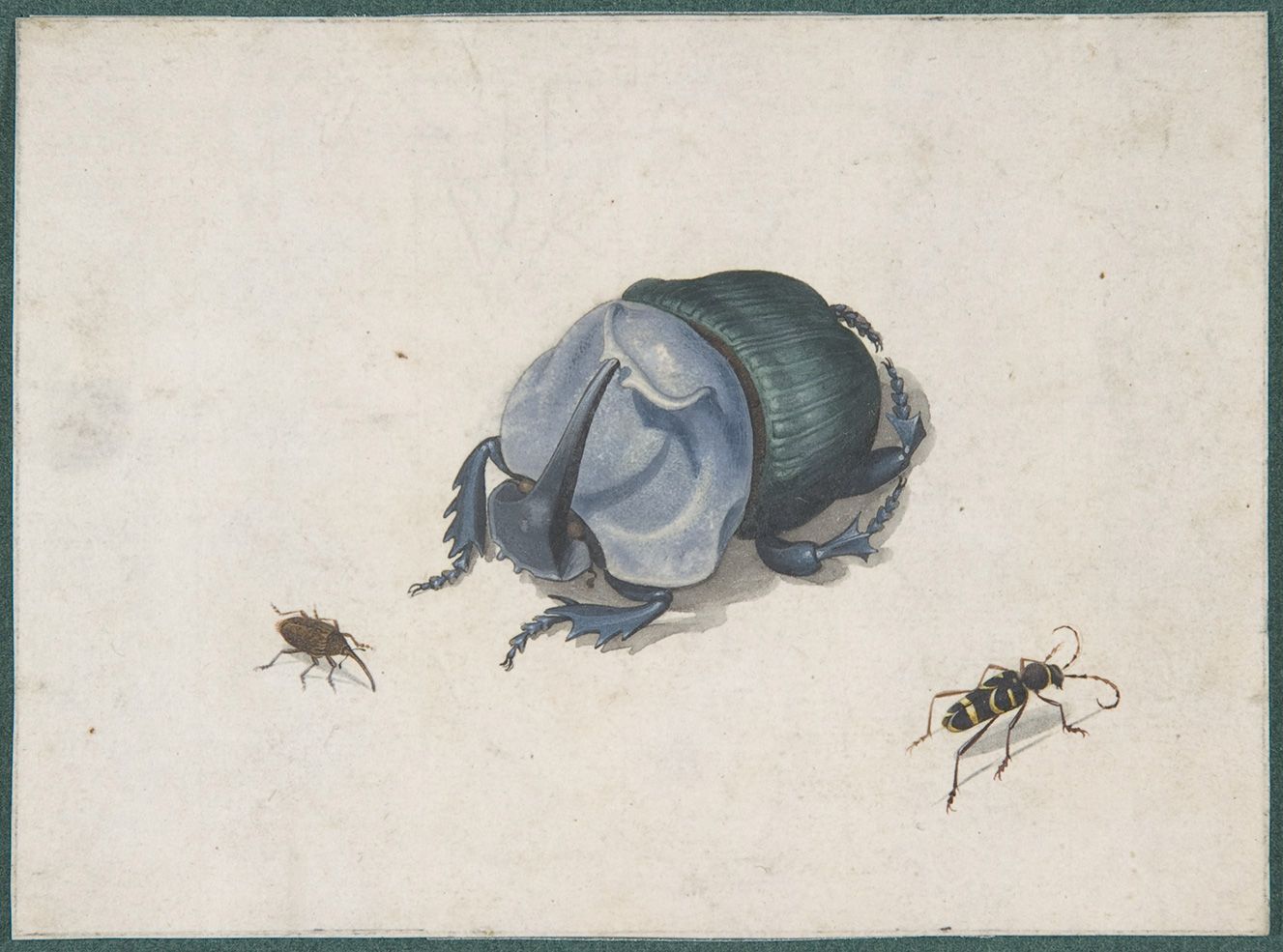
'Studies of a Blue Beetle and Insects'. The work is attributed to Pieter Holsteyn II. 1673. Source: The Metropolitan Museum of Art.
A single moment of wonder at the arrival of seasonal greenery is enough to pique a person’s curiosity, drawing one’s attention to the smallest details as readily as to the grandest landscapes. Its gentle presence invites one to set aside haste, allowing patience to seep in with its calm, steady rhythm; it offers relief, eases inner tension, and transports one to lush patches in the open countryside—vibrant landscapes that bloom with colors so subtle they remain hidden from a distance, where bees and butterflies hover mere centimeters above the blossoms. Sometimes, it leads one along the edges of rural paths, where the sight of a yellow flower—mistaken, perhaps, for another—draws one into an unexpected, hidden garden. There, sitting or lying down, one finds a space for quiet repose—a brief respite from the burdens one carries.
Sometimes, all it takes is a moment of wonder to enter a world of poetry. A flower glimpsed here or there can draw us into the beauty of nature, and through that beauty, gently lead us back to ourselves.
Ryouf Khaled is a writer and translator.