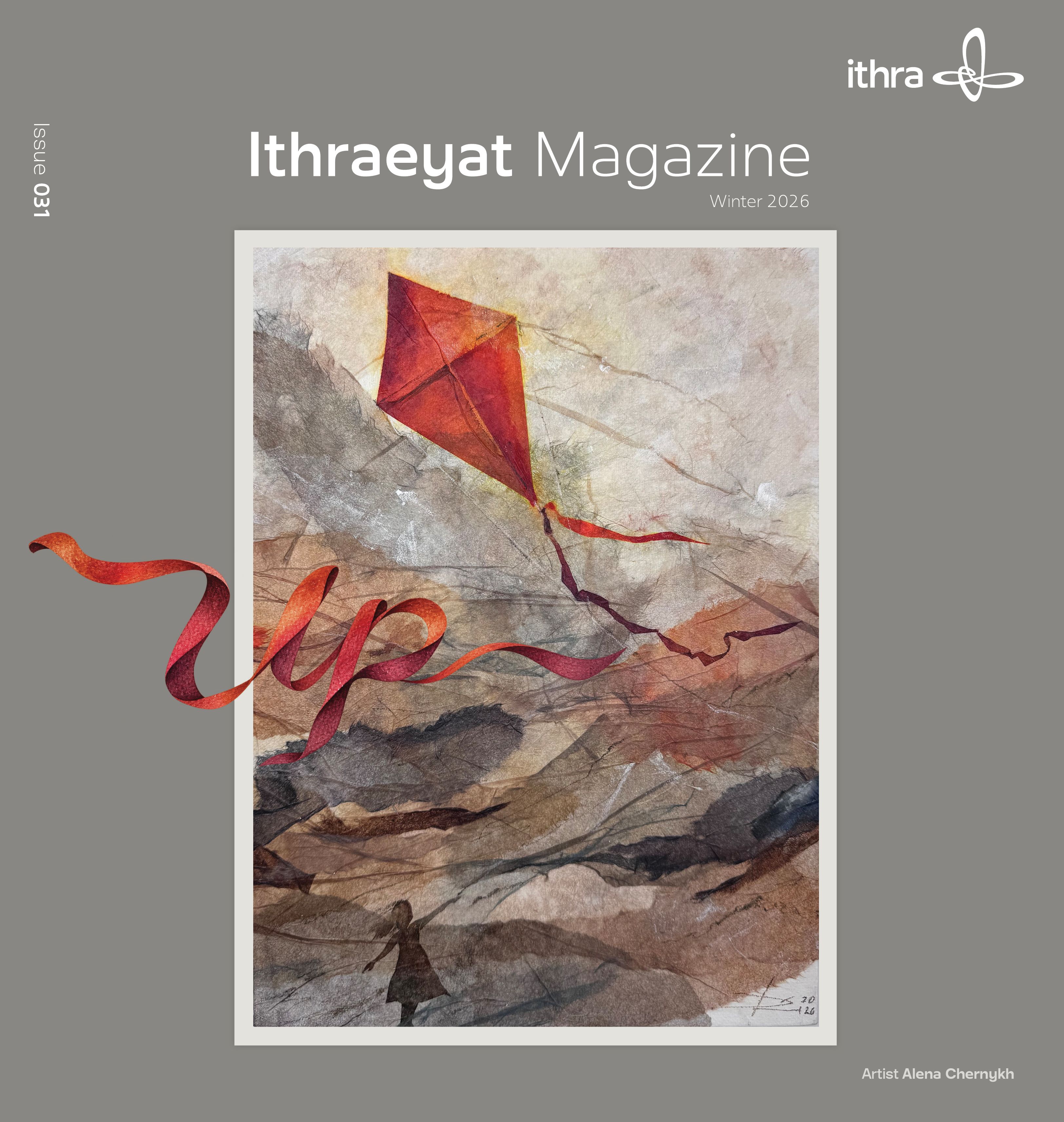
Edition #31
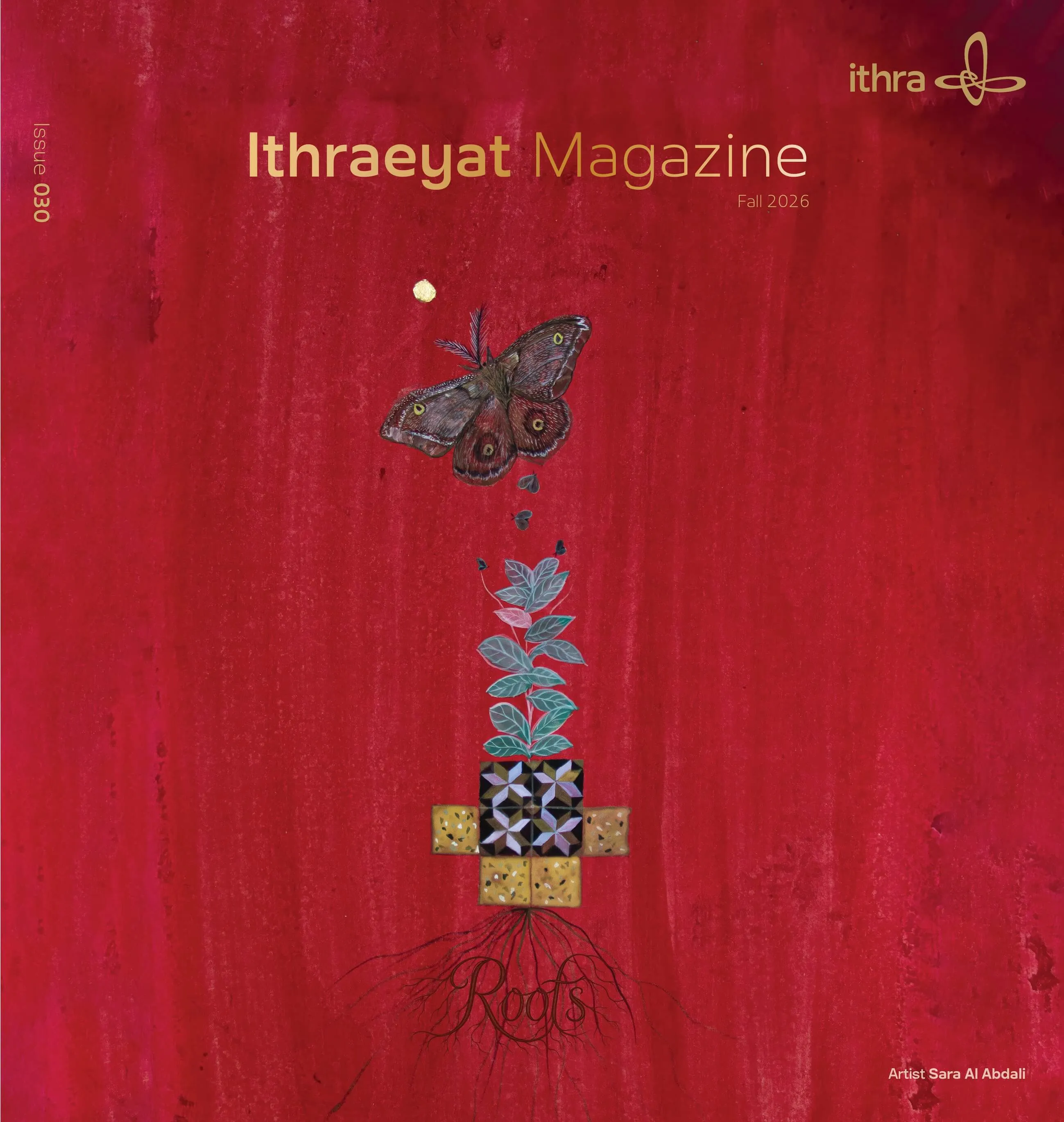
Edition #30
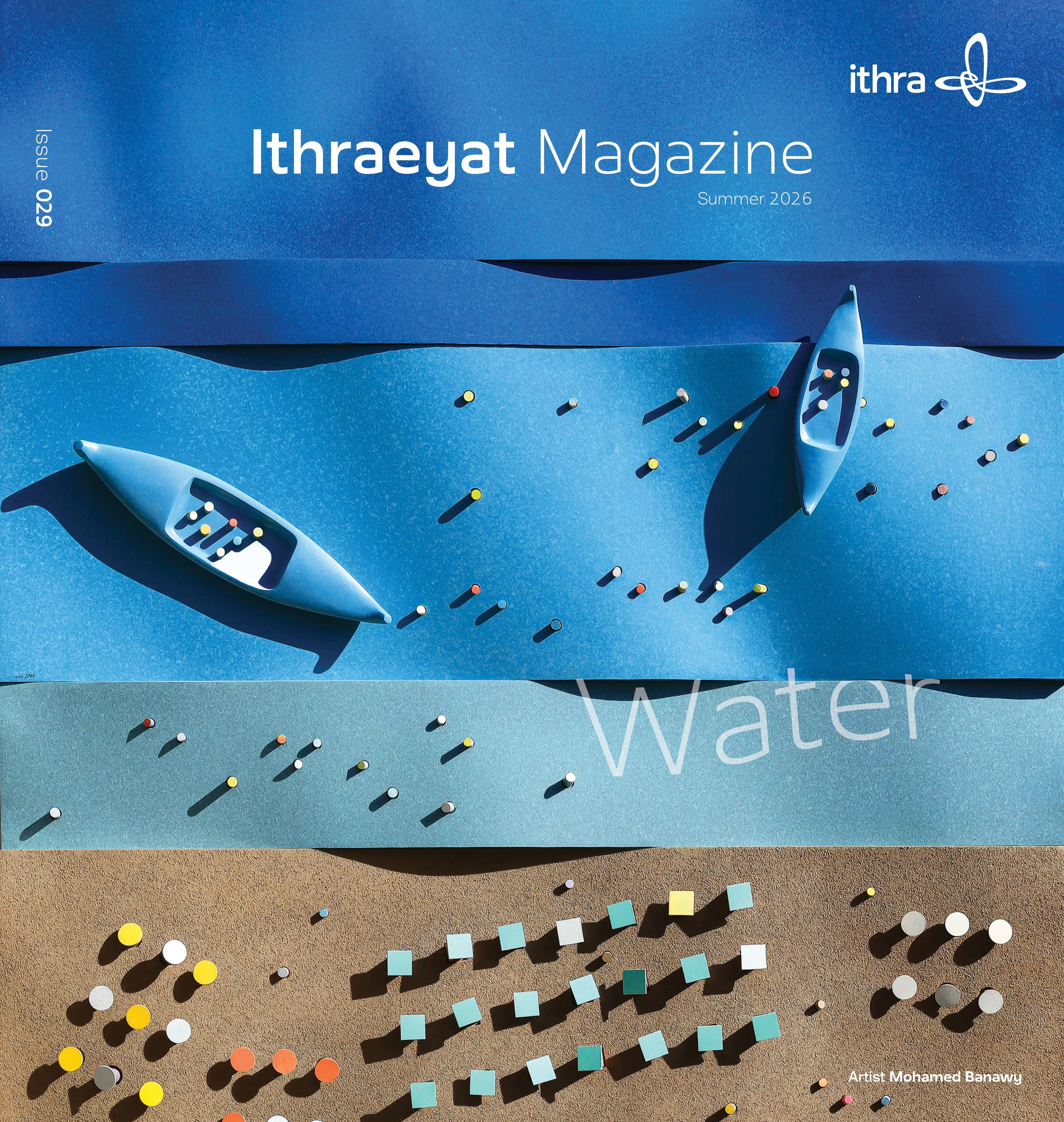
Edition #29

Edition #28
Edition #27
Edition #26

Edition #25
Edition #24
Edition #23

Edition #22
Edition #21
Edition #20
Edition #19
Edition #18
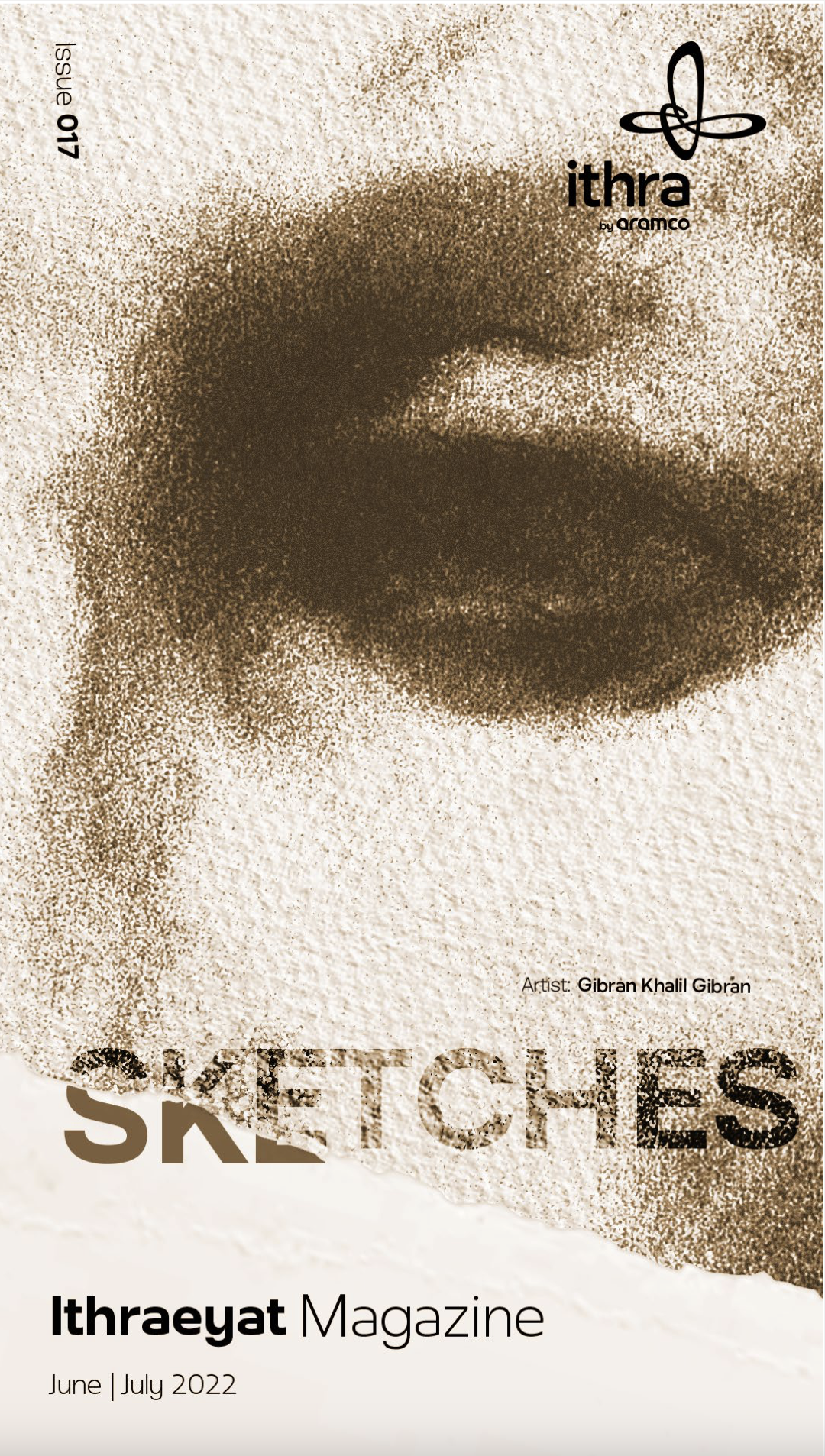
Edition #17
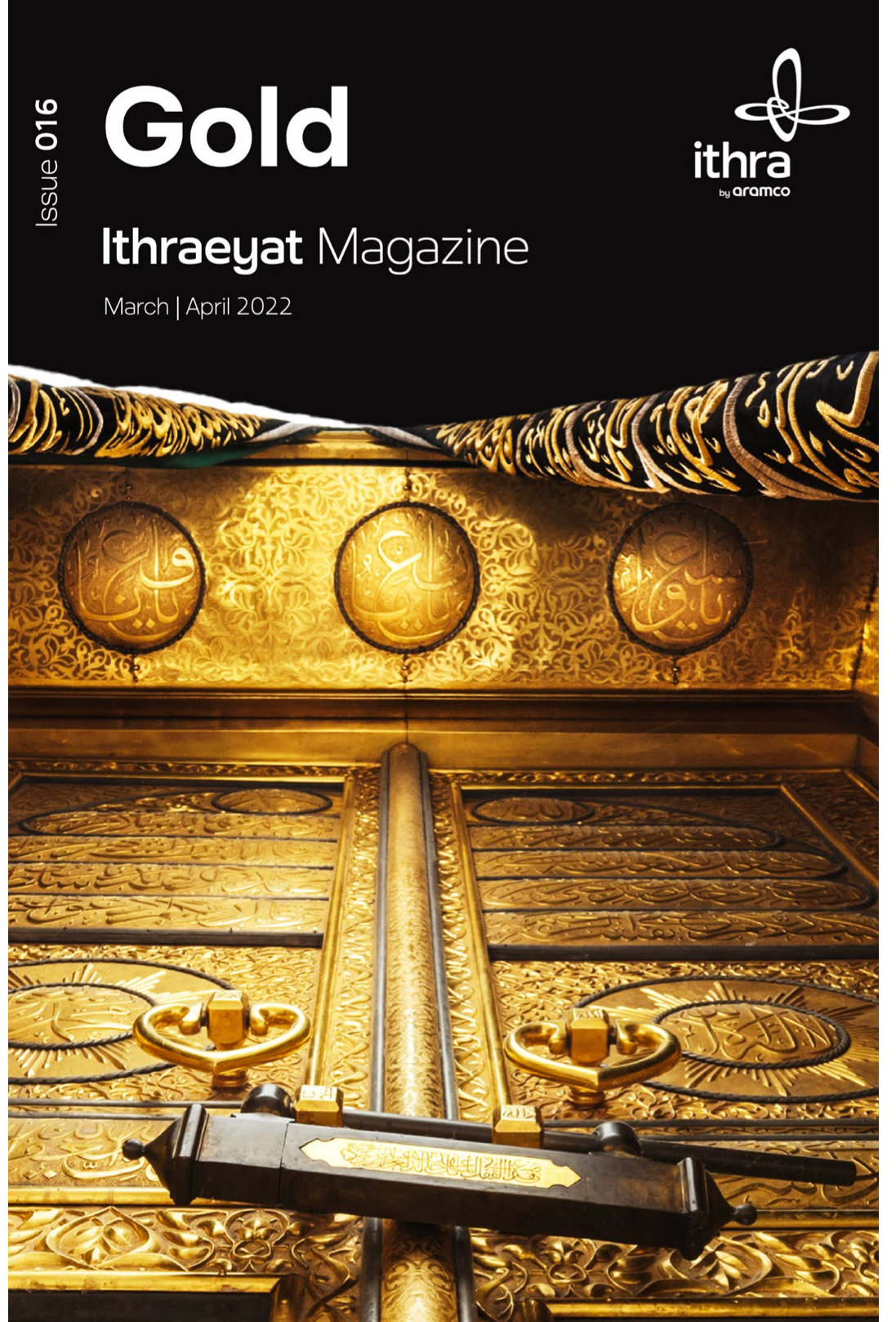
Edition #16

Edition #15

Edition #14

Edition #13
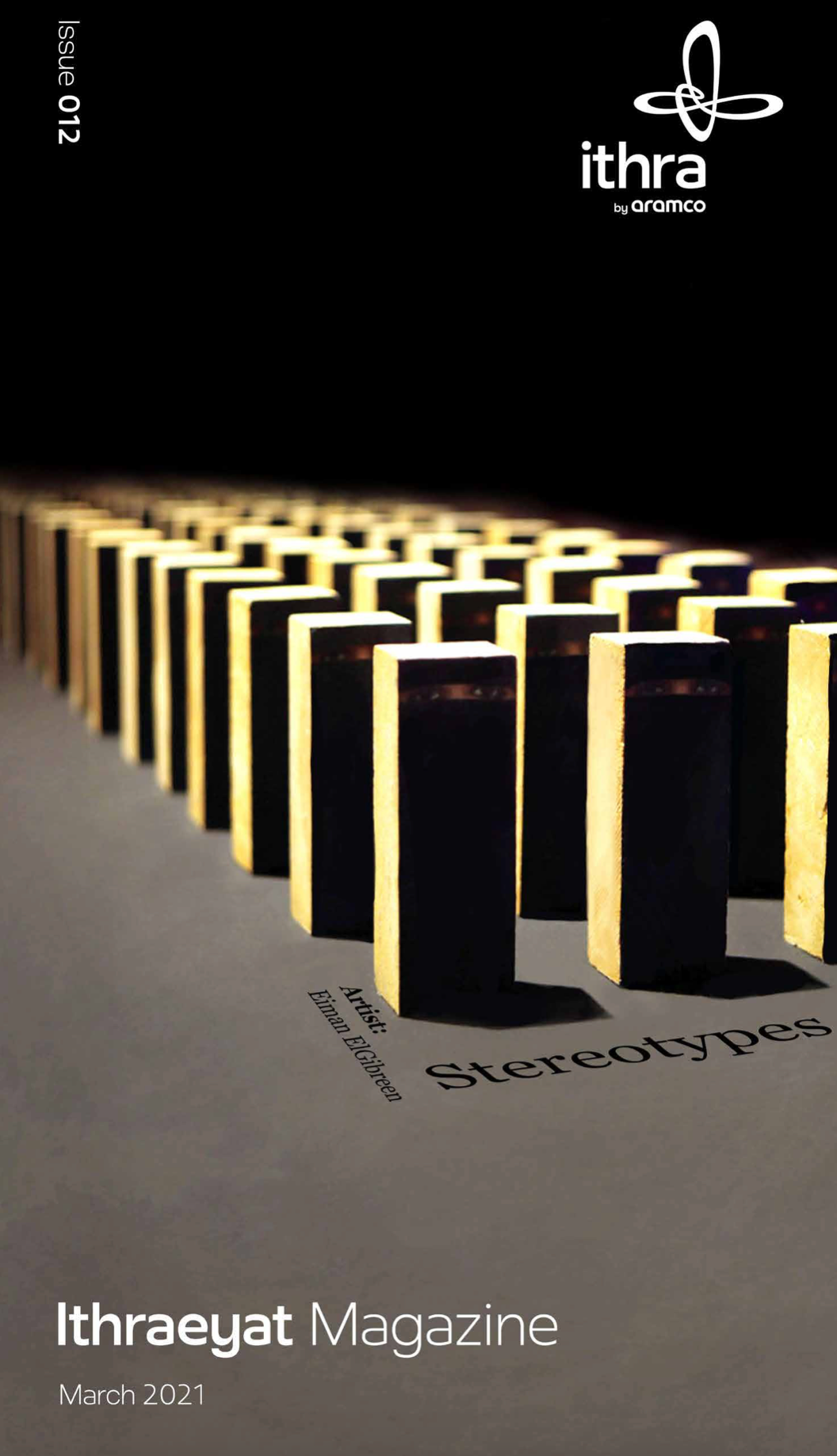
Edition #12

Edition #11

Edition #10

Edition #9

Edition #8
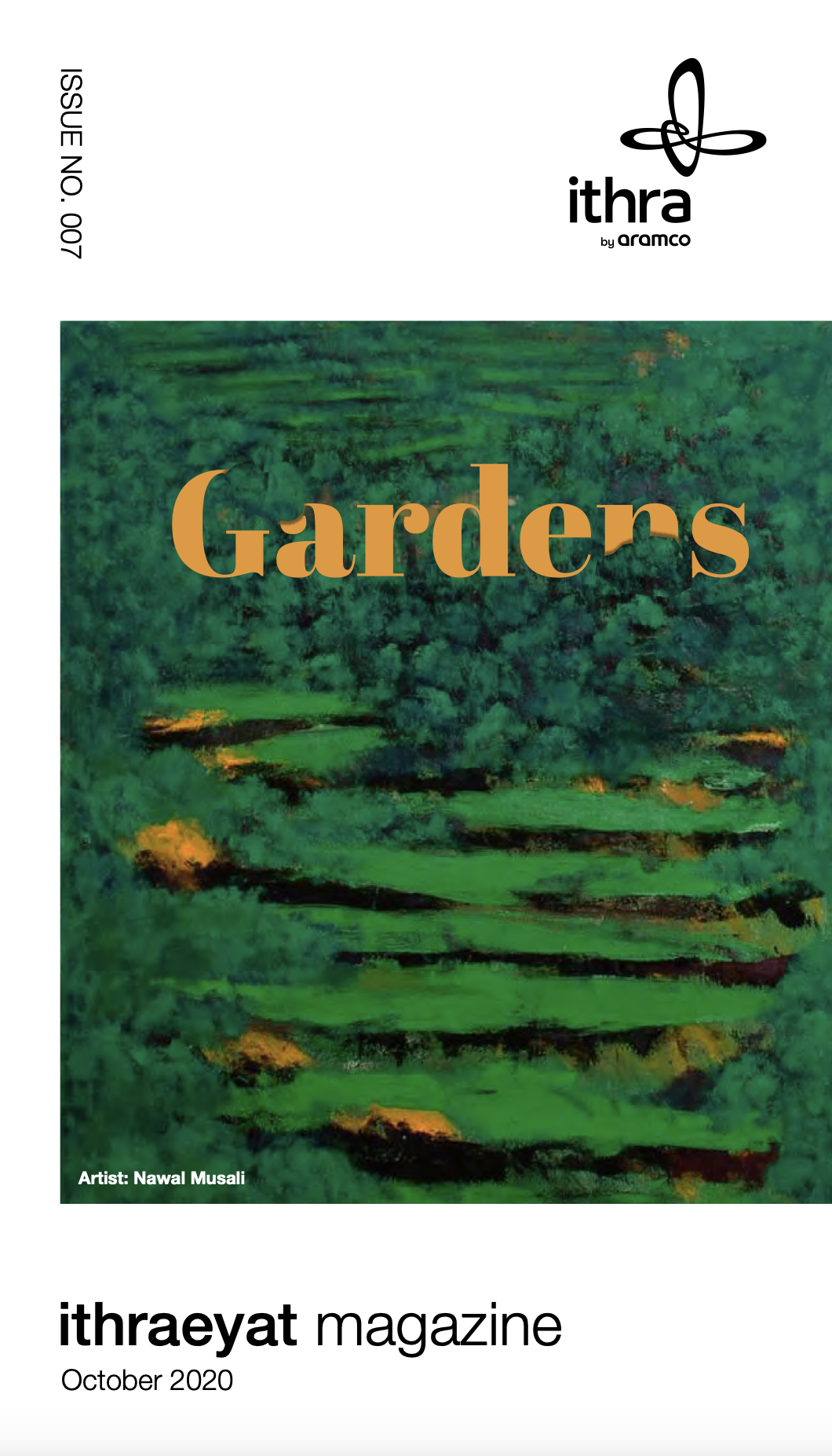
Edition #7
Edition #6

Edition #5
Edition #4

Edition #3
Edition #2

Edition #1
From the Shelves:
What’s Up?
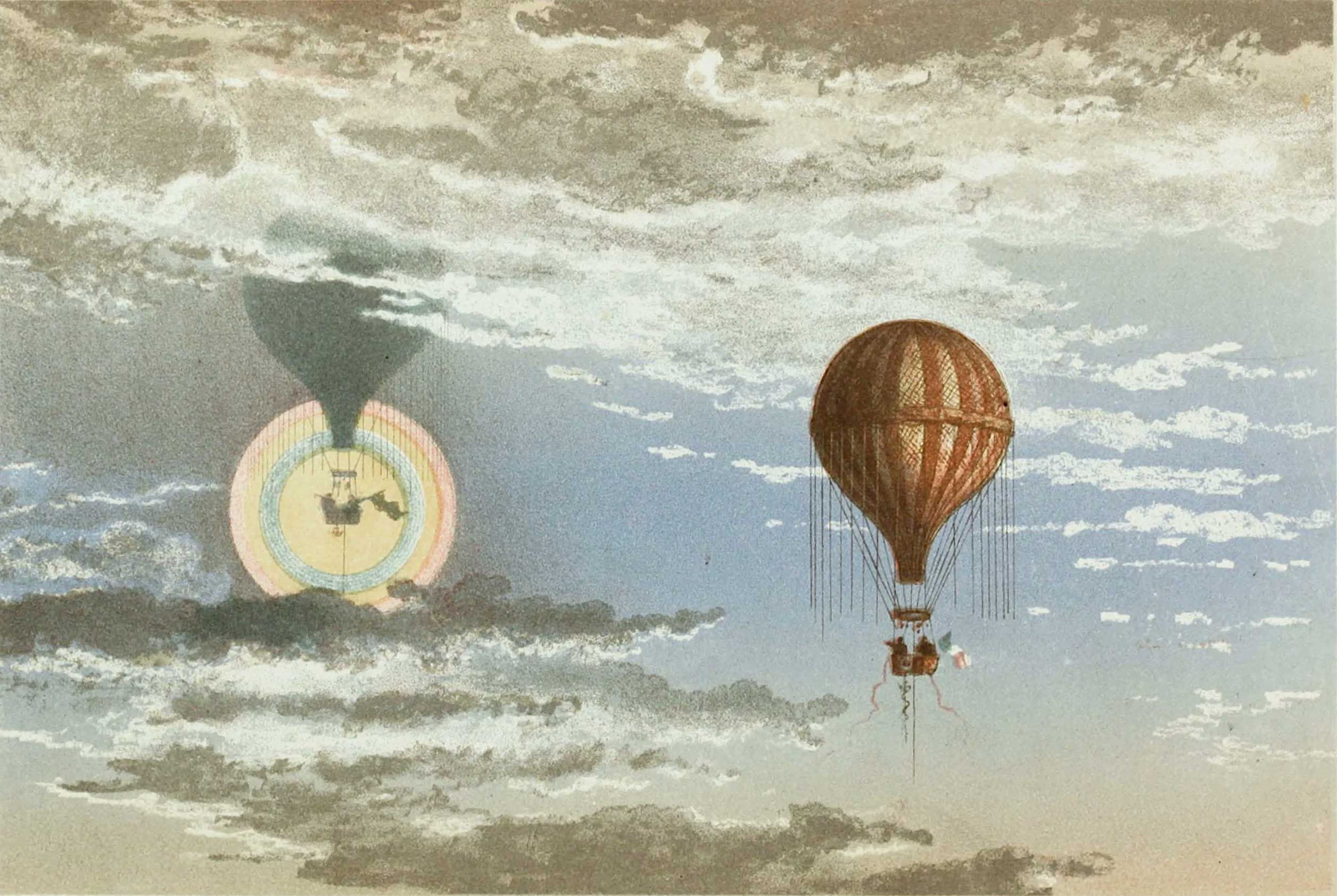
‘Mirage and luminous aureola.’ From the book ‘Travels in the Air’ by James Glaisher, Camille Flammarion, W. de Fonvielle, and Gaston Tissandier, ed. James Glaisher. (Philadelphia: J. B. Lippincott, 1871). Credit: Public Domain Review.
4 minutes read
December 30, 2026
Modern life doesn’t provide a lot of encouragement to look up. We keep our eyes glued to the road, to our phones, to our children, to the next meal, the next job, and the next email. The pace of adult life can hurtle along so briskly that, sometimes, it feels as though there is never a moment to do something so frivolous as look up at the clouds, the way we are encouraged to do in Edward Graham’s Clouds.
And while books can be yet another terrestrial fixation, they can also be a window onto other worlds. Books invite us into other universes and realities; they help us understand the sky and the stars; they suggest other ways of being and imagining.
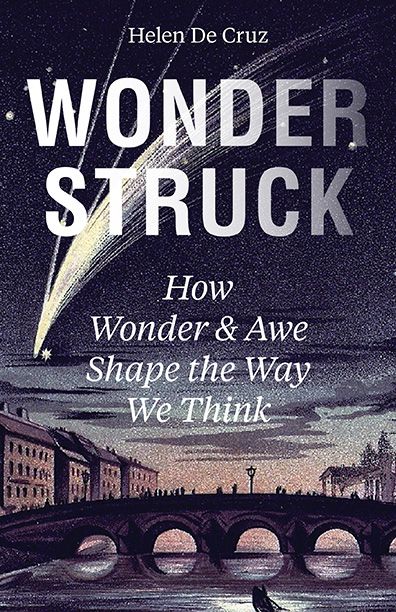
The books below are both literally about looking up and, more broadly, about taking the time to cultivate our sense of wonder. Several of them do both. After all, when we look into the distance—at the stars, at hot-air balloons, or at clouds—this often provokes a feeling of wonderment. It is just this emotion that philosopher Helen de Cruz talks about in her Wonderstruck. Sometimes, wonder can lead to new inventions or artistic expression. But sometimes—and just as importantly—these moments of awe help us shake off the weight of our worries, opening us up to moments of joy.
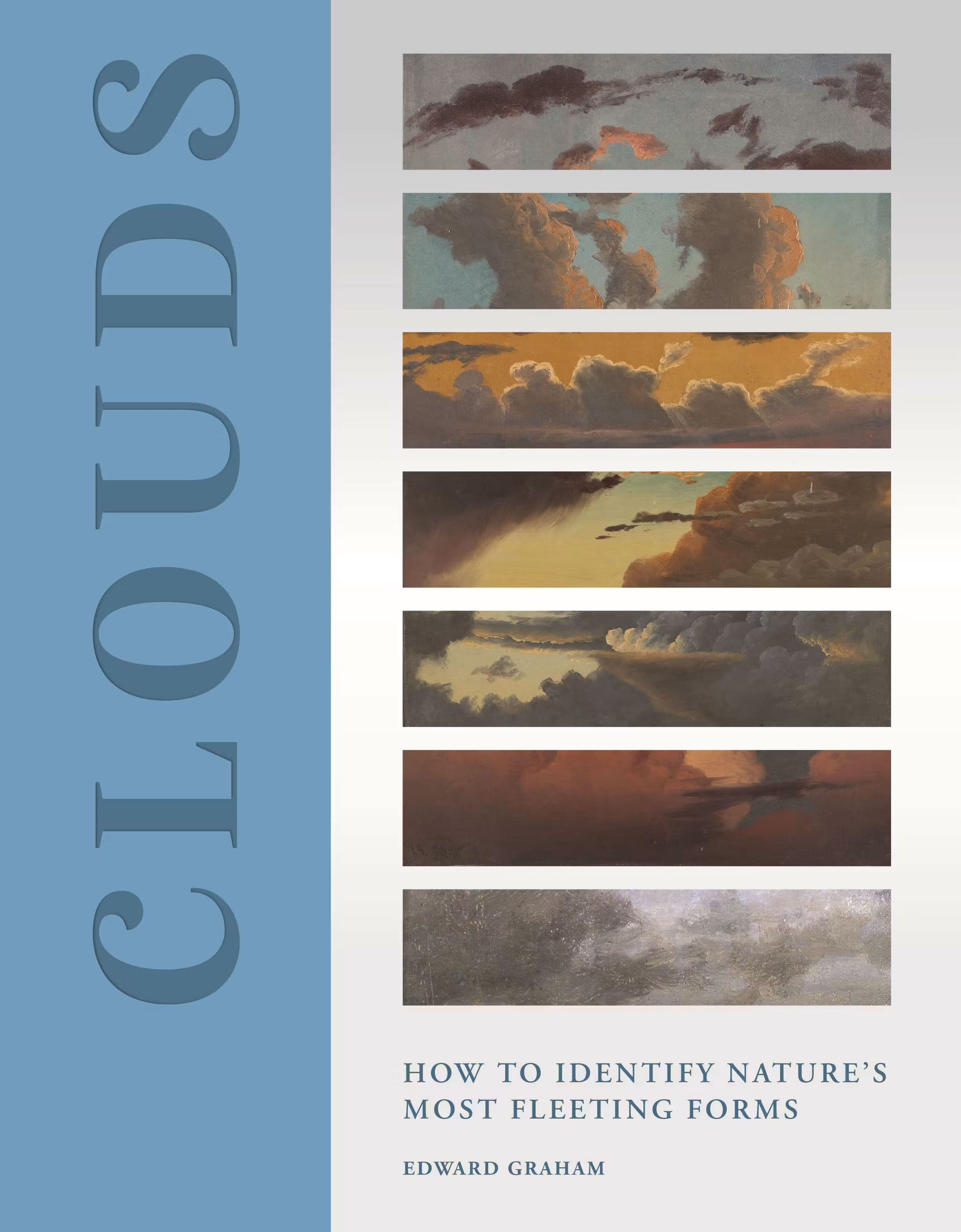
Clouds: How to Identify Nature's Most Fleeting Forms
By Edward Graham
Edward Graham’s Clouds is an exploration of both the art and the science of the giant, fluffy masses that float through our skies. Since there is no scientific consensus about the definition of a cloud, Graham sets about the work of classifying these ephemeral masses not just by laying out the science, but also by exploring art and literature and proverbs about the sky. After all, clouds are as much about our impressions of them—the shapes and meanings we find in them—as they are about concrete phenomena such as weather and light. Clouds brings us both an adult sort of scientific wonderment and a child-like delight.
Wonderstruck: How Wonder and Awe Shape the Way We Think
By Helen De Cruz
Wonder and awe are sometimes emotions that we associate with childhood, since they are evoked when we experience something for the first time. And yet wonder also lies at the heart of the most difficult and sophisticated of life’s questions. Helen De Cruz shows us not just how wonder is a thread that runs through philosophy, the arts, and the sciences, but also how developing this emotion can empower us to be more open-minded, feel more joy, and to be resilient in the face of personal and societal challenges.
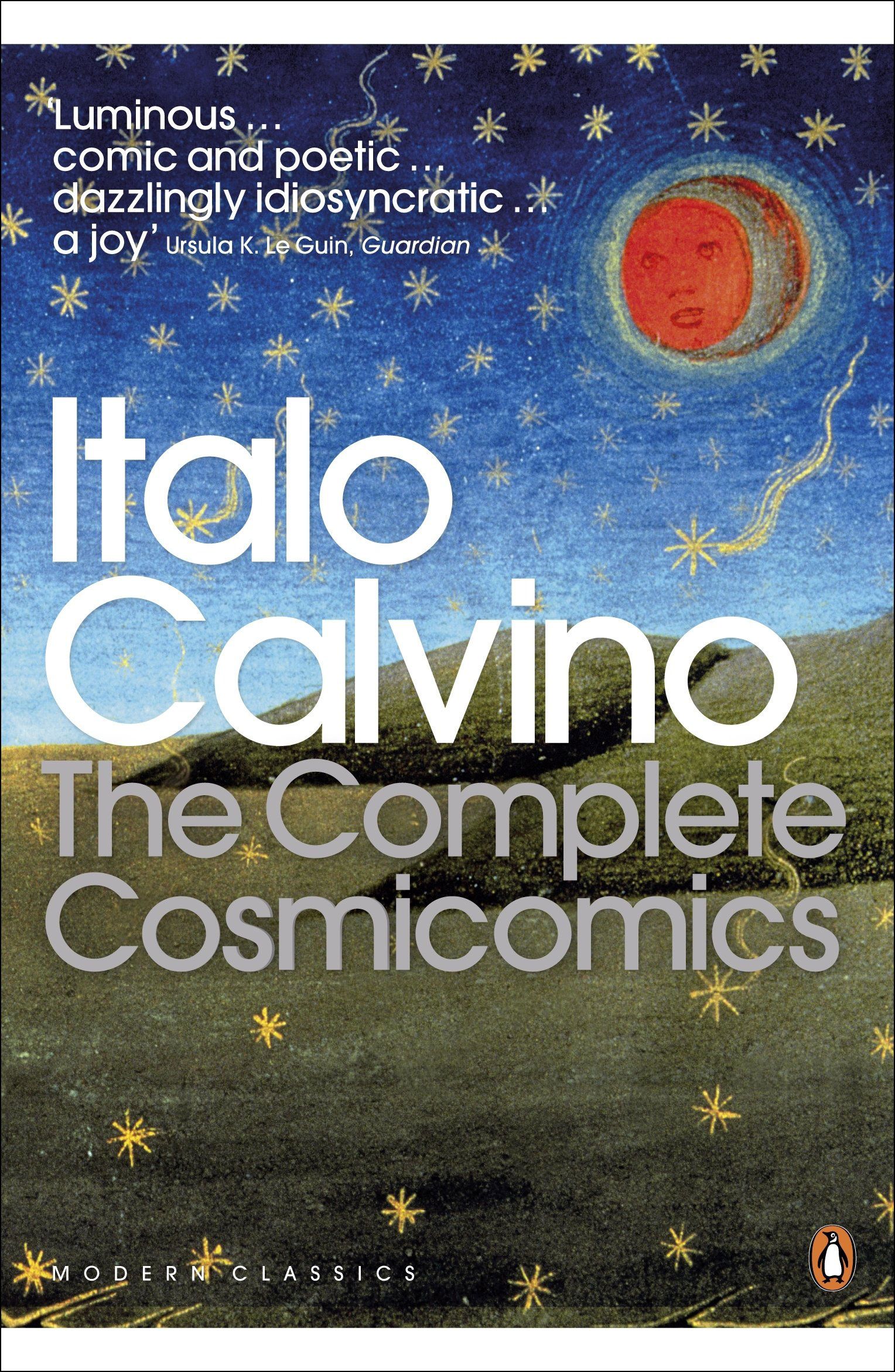
The Complete Cosmicomics
By Italo Calvino
Translated by William Weaver, Tim Parks, and Martin McLaughlin
In this wild collection of stories by the ever-inventive Calvino—author of the delightful If on a Winter’s Night a Traveler—the Italian author re-imagines the cosmos through characters that are fashioned from mathematical formulae, cellular structures, and stardust. They travel distant galaxies, experience the creation of planets, bounce among hydrogen atoms, and remind us, always, to wonder.
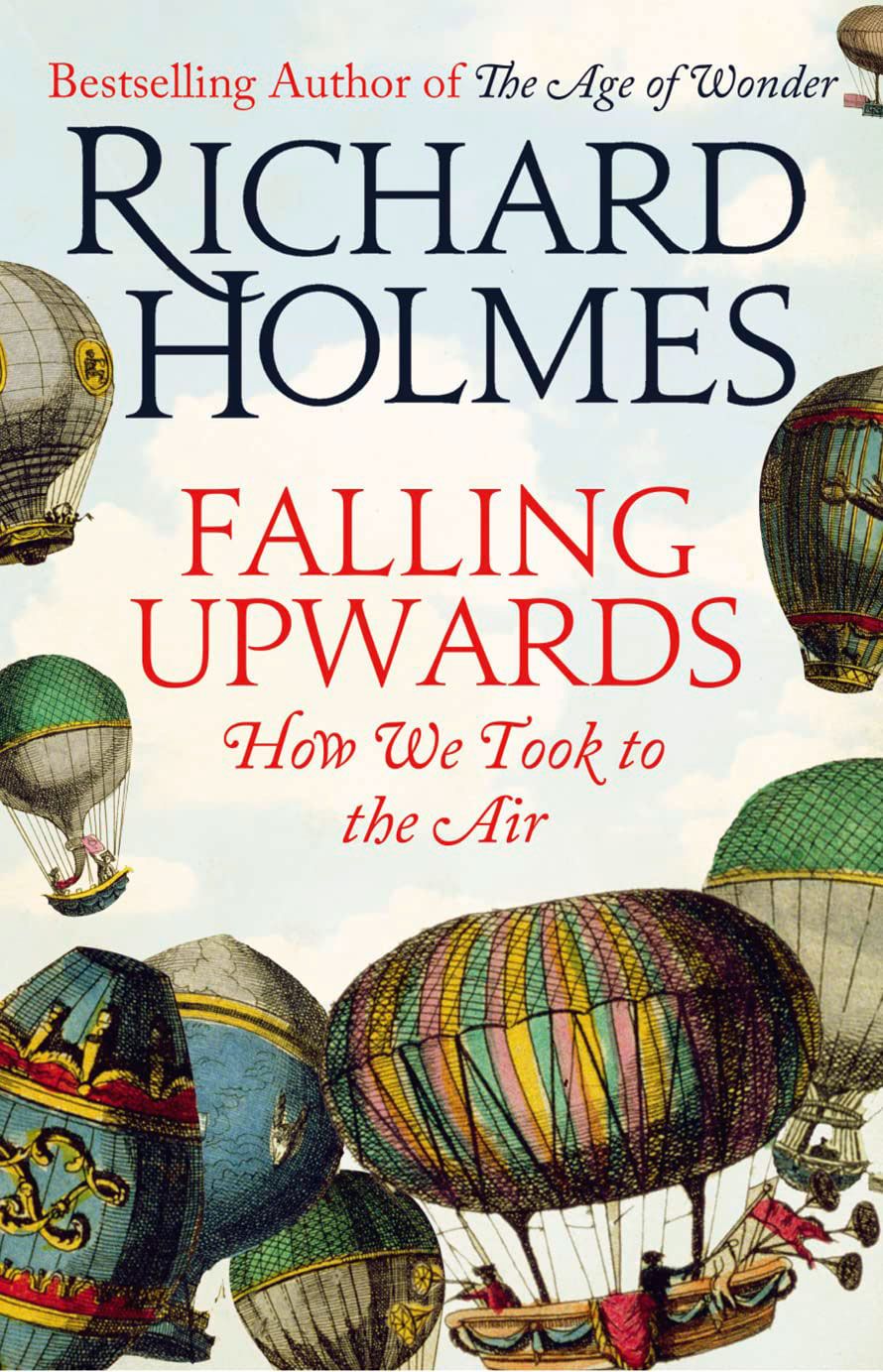
Falling Upwards: How We Took to the Air
By Richard Holmes
Falling Upwards invites us to think about “up” in a topsy-turvy way. Instead of looking at jet planes and space shuttles, Holmes takes readers on a journey through the history of manned ballooning, from the Montgolfier brothers in 1783 to the Wright brothers in 1903. But instead of a history of technology, these are the stories of hopeful fliers. Holmes looks at why people like balloon performer Sophie Blanchard (1778-1819), photographer and balloonist Félix Nadar (1820-1910), and engineer and aeronaut Salomon Andrée (1854-1897) insisted on taking to the skies. What drove them, despite all the dangers, and what joys did they find there? Holmes brings us both the fantasies and the disasters of falling up.
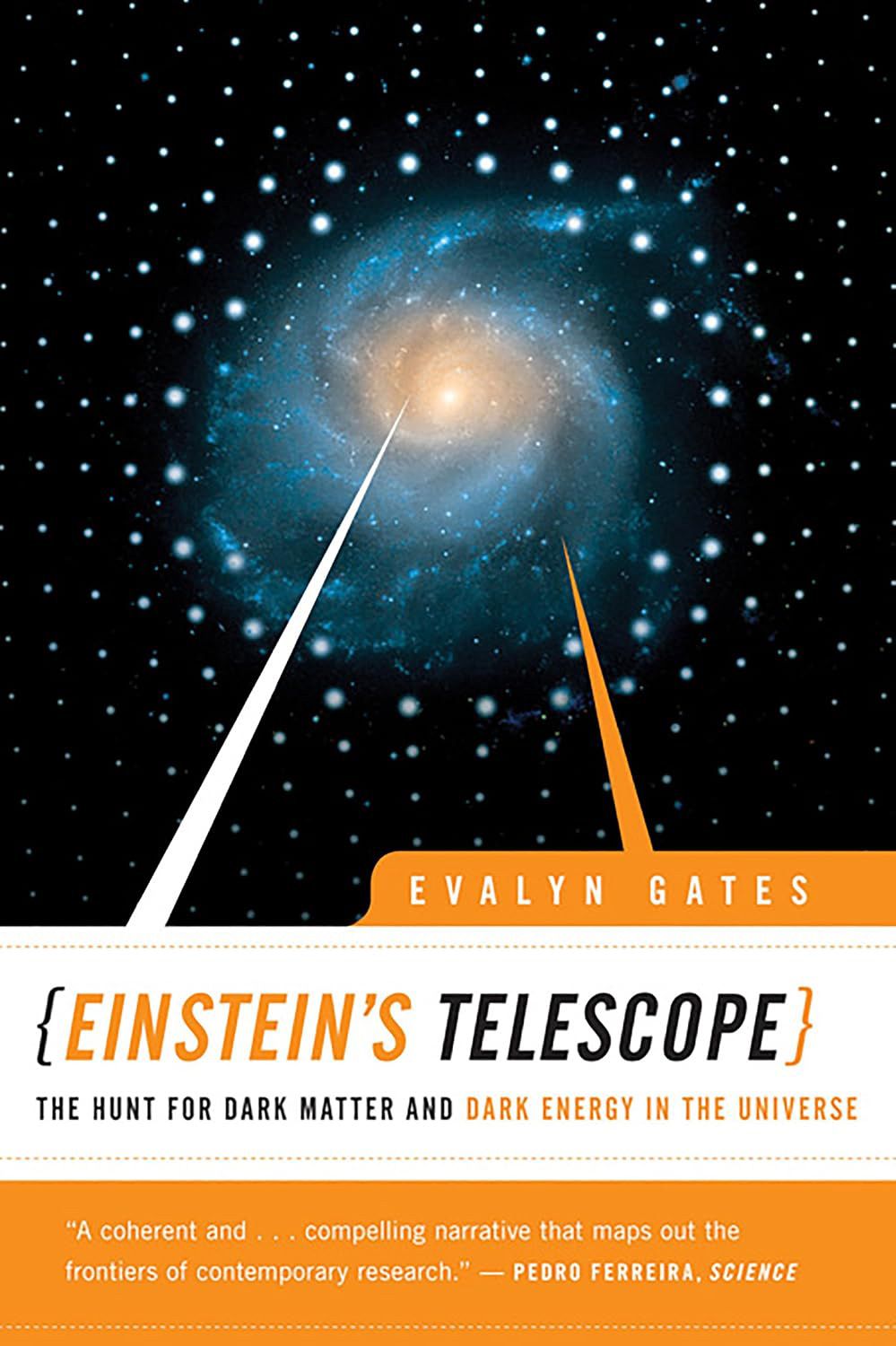
Einstein’s Telescope: The Hunt for Dark Matter and Dark Energy in the Universe
By Evalyn Gates
In Einstein’s Telescope, Evalyn Gates takes us on another improbable journey into the “up.” Here, instead of looking at the stars, she tells us about the dark matter that makes up most of the known universe, explaining how scientists are using a new technique—“Einstein’s telescope”—to help us map new planets, black holes, and other parts of our cosmic architecture. Throughout, Gates has a way of helping the reader see the sky’s darkness and opening up new and thrilling questions.
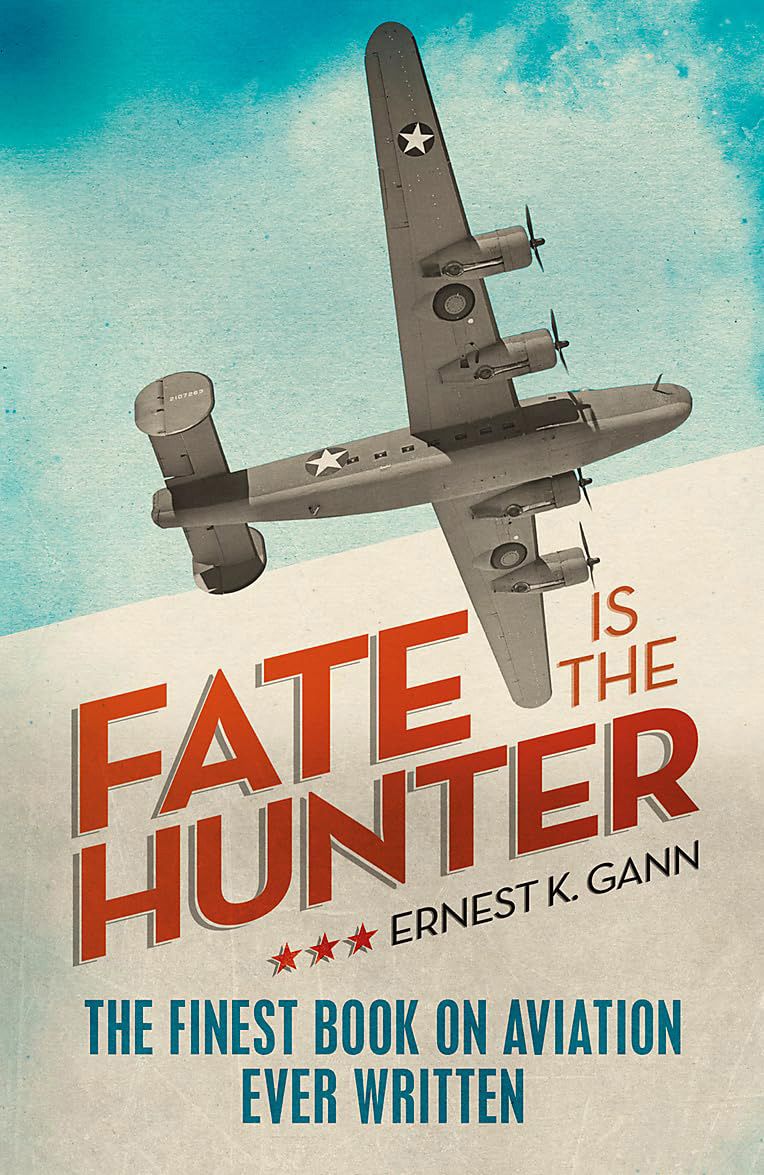
Fate is the Hunter
By Ernest K. Gann
What was it like to step onto a plane in the 1930s and 1940s, when flying was new, and there were no crowded airports or elaborate screenings? In this, perhaps the most popular flight memoir of all times, Gann describes working as a pilot in the 1930s, 1940s, and 1950s, both in peacetime and at war. The acclaimed playwright David Mamet, who is also a pilot, has called this “the best book written about aviation,” and Gann delivers, recreating the atmosphere of the early years of flying down to the bolts in the plane.
To enjoy the borderless world of books, please visit Ithra’s Library and the Arablit website.
M. Lynx Qualey is the editor-in-chief of the ArabLit cooperative and founder of ArabLit.org.