Beneath the Surface
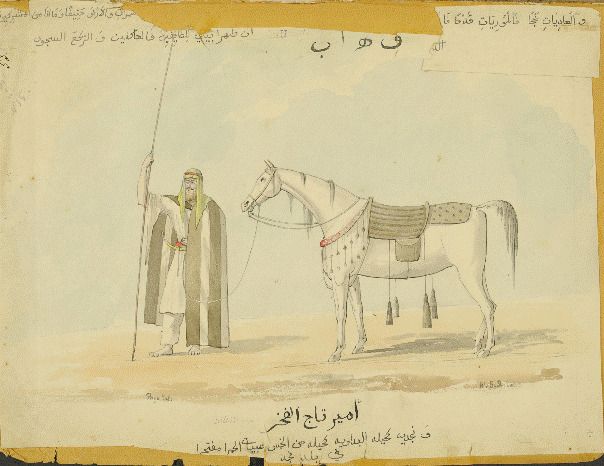
Kräuterbuch ("Book of Herbs"). Johannes Hartlieb. 1462. Credits: The Public Domain Review.
We often talk about people being rooted: to place, to family, to a cultural identity. People journey abroad but later "return to their roots." The metaphor links us to the trees and plants that spend their entire lives in one spot: growing up out of the earth and reaching, in many cases, toward the sun.
Physically, of course, humans are not rooted. We roam the earth, migrating greater distances than any other animal. And yet, psychologically and emotionally, we set down roots in the place where we are born and in the families that raise us. While these roots may not be tangible, a sense of rooted history and belonging is at the core of what it means to be human.
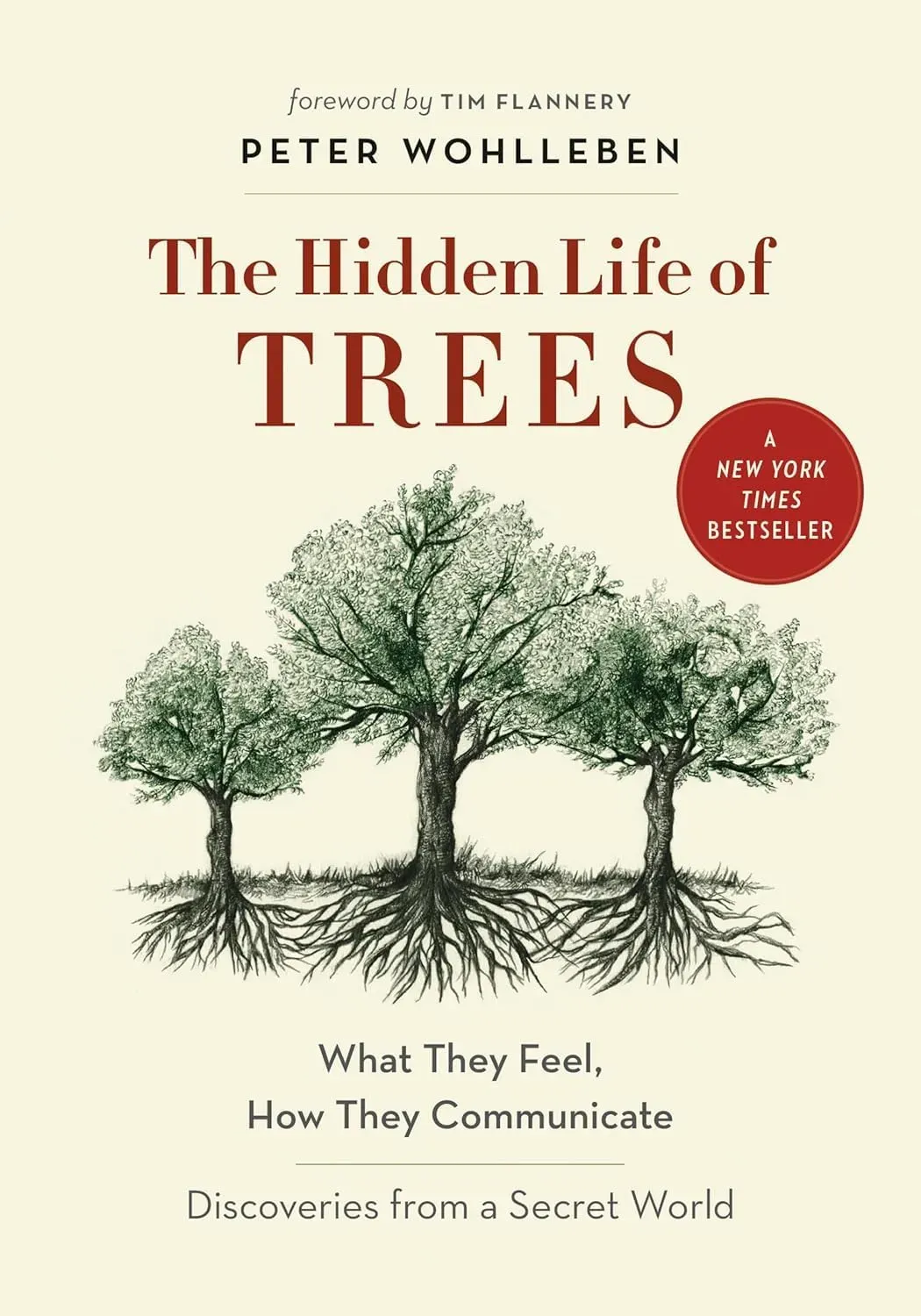
And so, we are more like trees than we first appear. Trees, too, are more like humans. As forester and author Peter Wohlleben explains in The Hidden Life of Trees, the forest is not just a series of individuals. Instead, it is a social network, where trees support each other and communicate, often by way of their roots.
In this brief journey through roots and books, we take a look at both real and metaphorical roots and how, as one of Maroun Abboud’s characters says, "The trees are wiser than we humans. They live in harmony beneath the earth while we fight over its surface."
In this popular and acclaimed exploration of the social and emotional lives of trees, Peter Wohlleben gives readers a glimpse of the many ways in which trees communicate: by smell, by visual signs, and by electrical signals. Root systems, he says, create a complicated "Wood Wide Web" beneath the earth, where fungi often act as intermediaries. As Wohlleben writes, "The connections transmit signals from one tree to the next, helping the trees exchange news about insects, drought, and other dangers." This book gives a fascinating, sometimes speculative look at the interior lives of trees.
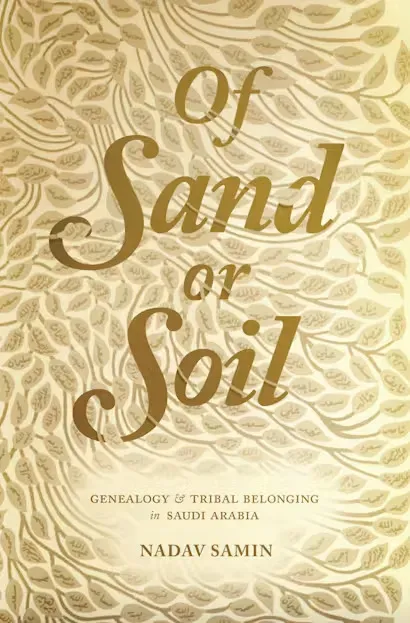
Genealogy is another kind of rootedness, where we belong not to a place but to a series of ever-more-distant ancestors. This book, runner-up for a 2016 British-Kuwait Friendship Society Book Prize, explores tribal genealogies in contemporary Saudi Arabia. The book builds on the work of twentieth-century Saudi scholar Hamad al-Jasir, whose genealogical studies frame a story about belonging and identity in the kingdom. This book ties together kinship, oral histories, and the formation of the modern state.
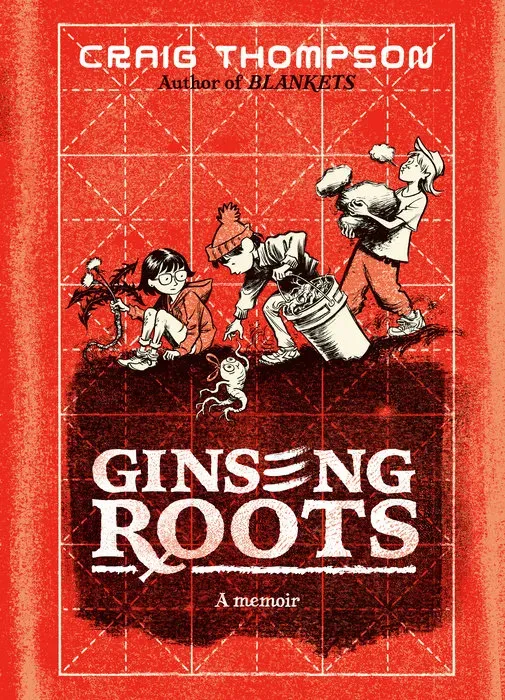
This beautiful, pen-and-ink graphic novel traces the roots of the global trade in ginseng. It begins with the author and his siblings, who spent the summers of their childhood weeding and digging up rows of American ginseng in rural Wisconsin for a dollar an hour. It then journeys back 300 years to the ginseng-root hunters in China, connecting them to industrial farmers and migrant harvesters in the American Midwest, including those in Thompson’s own family.
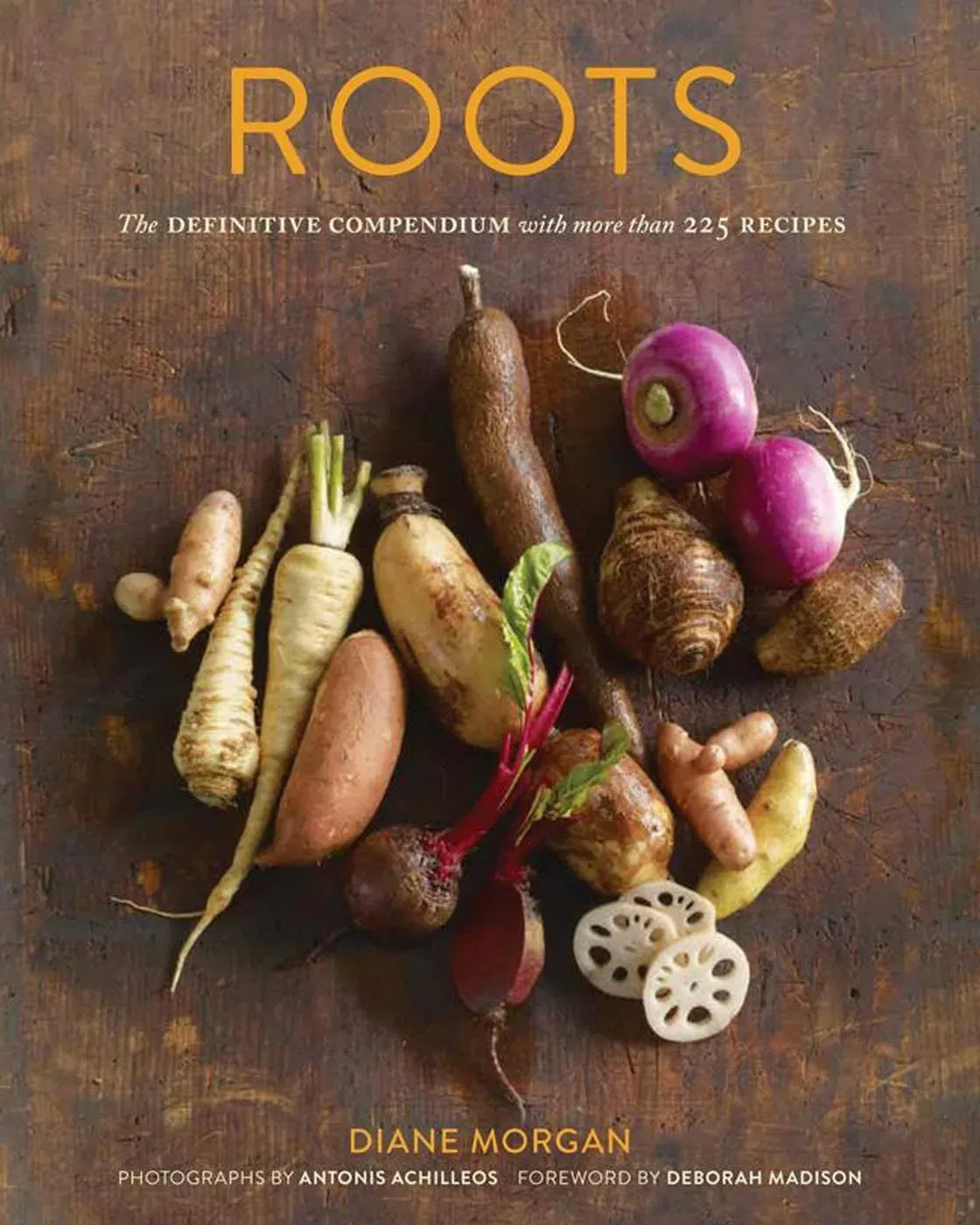
Most of us know how to cook with the basic root vegetables: potatoes, carrots, and onions. But what about burdock root, galangal, or malanga? In this exploration of edible roots, prolific cookbook author Diane Morgan traces the history and lore around twenty-nine major root vegetables, as well as their nutritional content, how to buy and store them, and, of course, how to cook with them. The book includes both practical recipes and an exploration of lesser-known flavors.
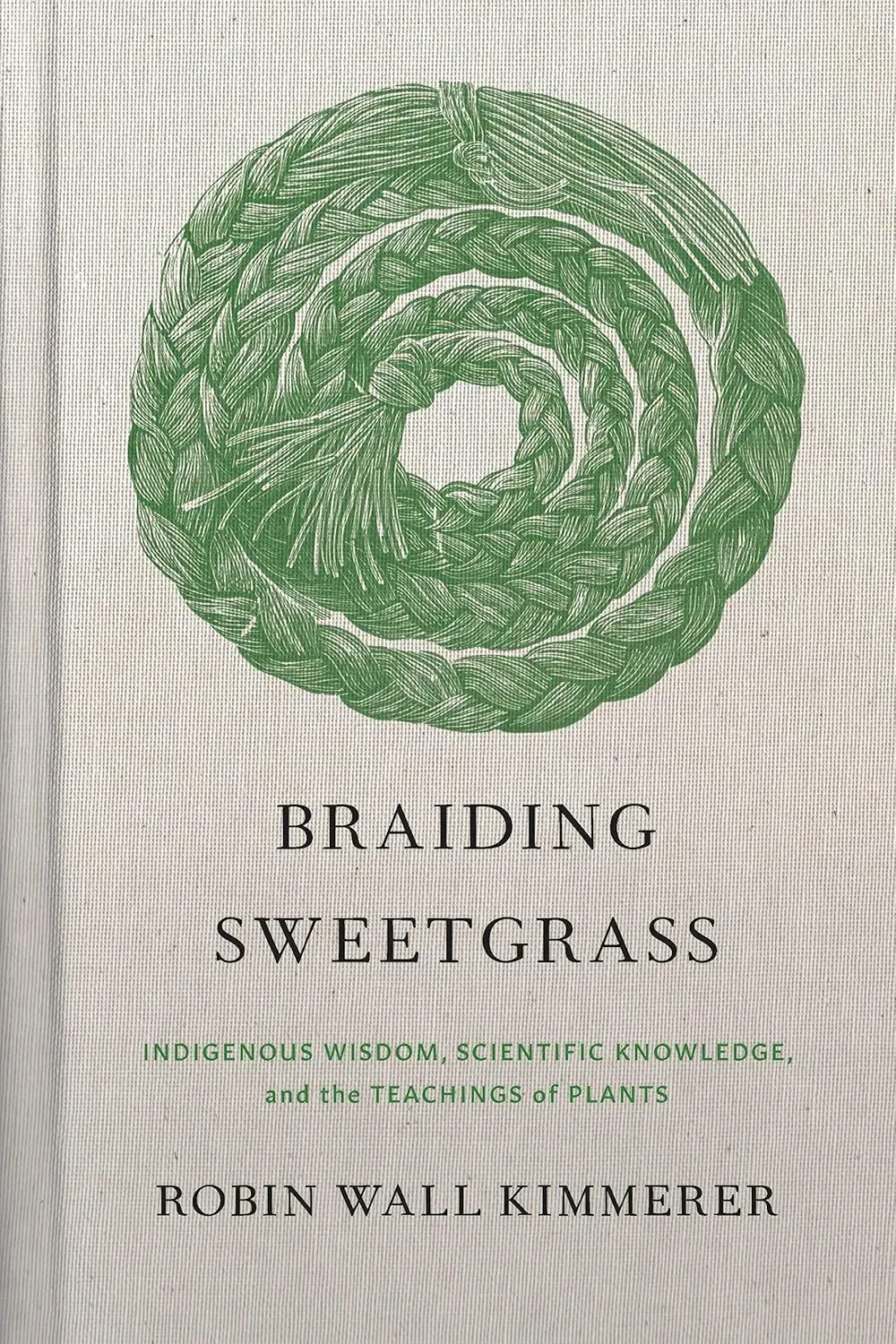
This best-selling book by Potawatomi botanist Robin Wall Kimmerer takes readers on a journey into how our human cultural roots are entangled with the roots of the plant life all around us. As she writes at the beginning of the book, "Sweetgrass is best planted not by seed, but by putting roots directly in the ground. Thus the plant is passed from hand to earth to hand across years and generations." A surprisingly moving read that gives readers a different way to think about our relationship to the natural world.
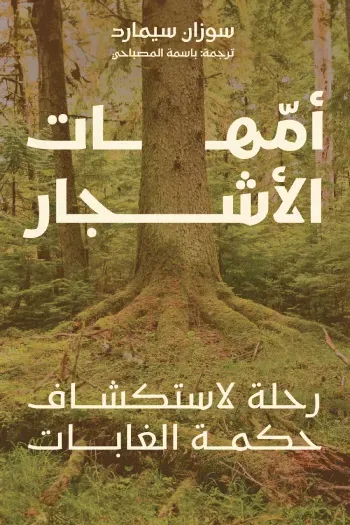
In Finding the Mother Tree, Suzanne Simard explores what we know about the conversations between trees. Simard is a leading scholar in the field of plant communication and intelligence. In this deeply inspiring book, which is both science and personal biography, she explores how trees use their root systems to communicate: how they adapt their behaviors, recognize their neighbors, and cooperate with one another. While, above the surface, trees may appear to be completely alone in the world, beneath it, they make use of a complicated underground network to communicate with one another.
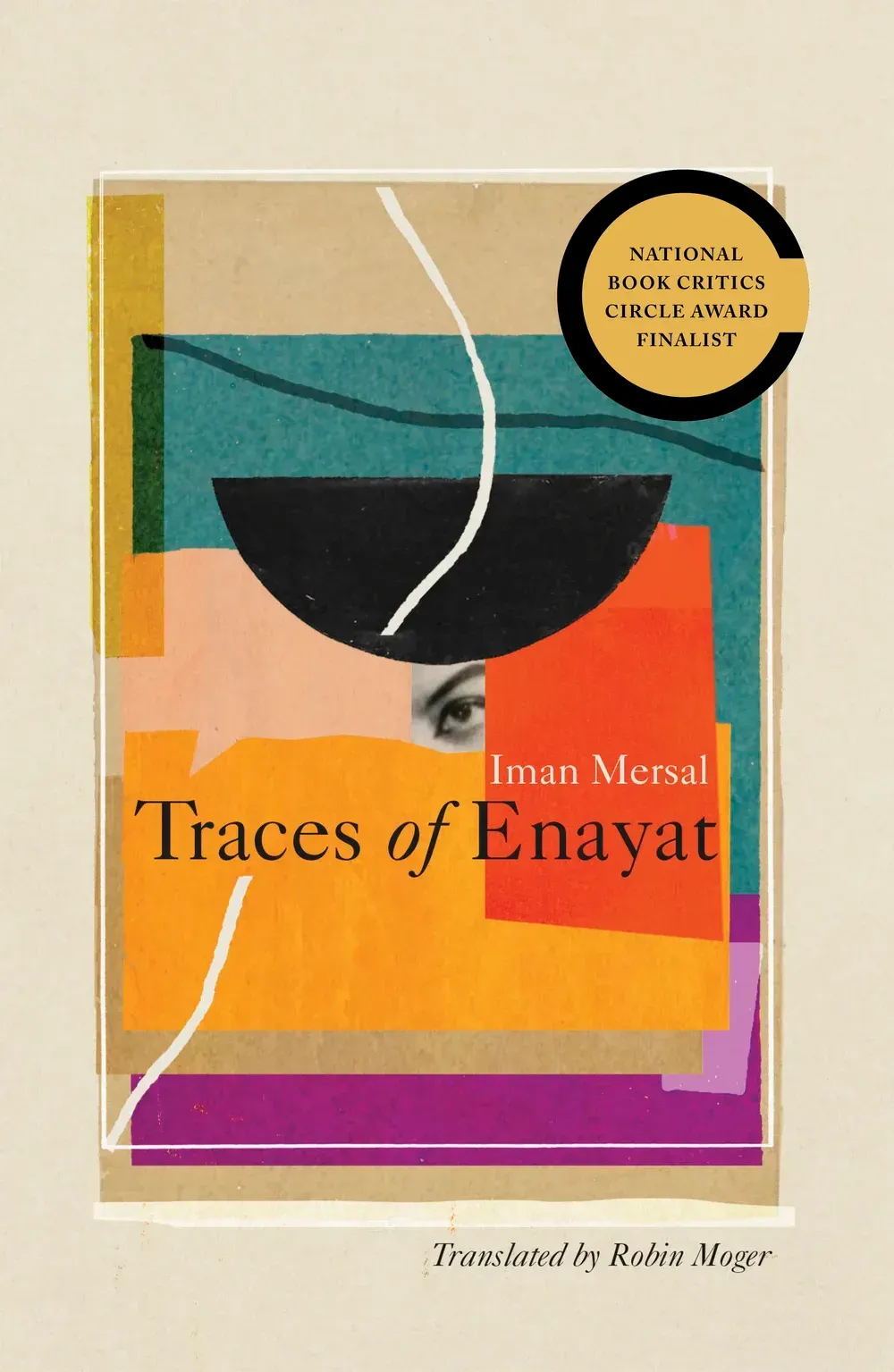
Going in search of our roots doesn’t have to mean finding those who are our ancestors by blood. In this book, which won a 2021 Sheikh Zayed Book Award, Egyptian author and scholar Iman Mersal goes in search of her literary roots. To do so, she tries to rebuild a story of the life of marginalized writer Enayat al-Zayyat, whose only novel was published after her death. A beautiful reclaiming of literary and cultural history.
Much of human history tells the stories of men. In the same way, genealogies are often traced through male ancestors and leaders. Saudi novelist Aida Mahgoub’s 2025 novel explores, instead, our female roots. It takes a thing as ephemeral as human hair and uses it to trace the long-neglected stories of Bedouin women. In the novel, Ruhayel, a young Bedouin man and recent archaeology graduate, stumbles upon a small, weathered box buried deep beneath the sand. Inside, he discovers a single lock of a woman’s braided hair, preserved with deliberate care. Through it, he begins to explore the roots of women’s stories.

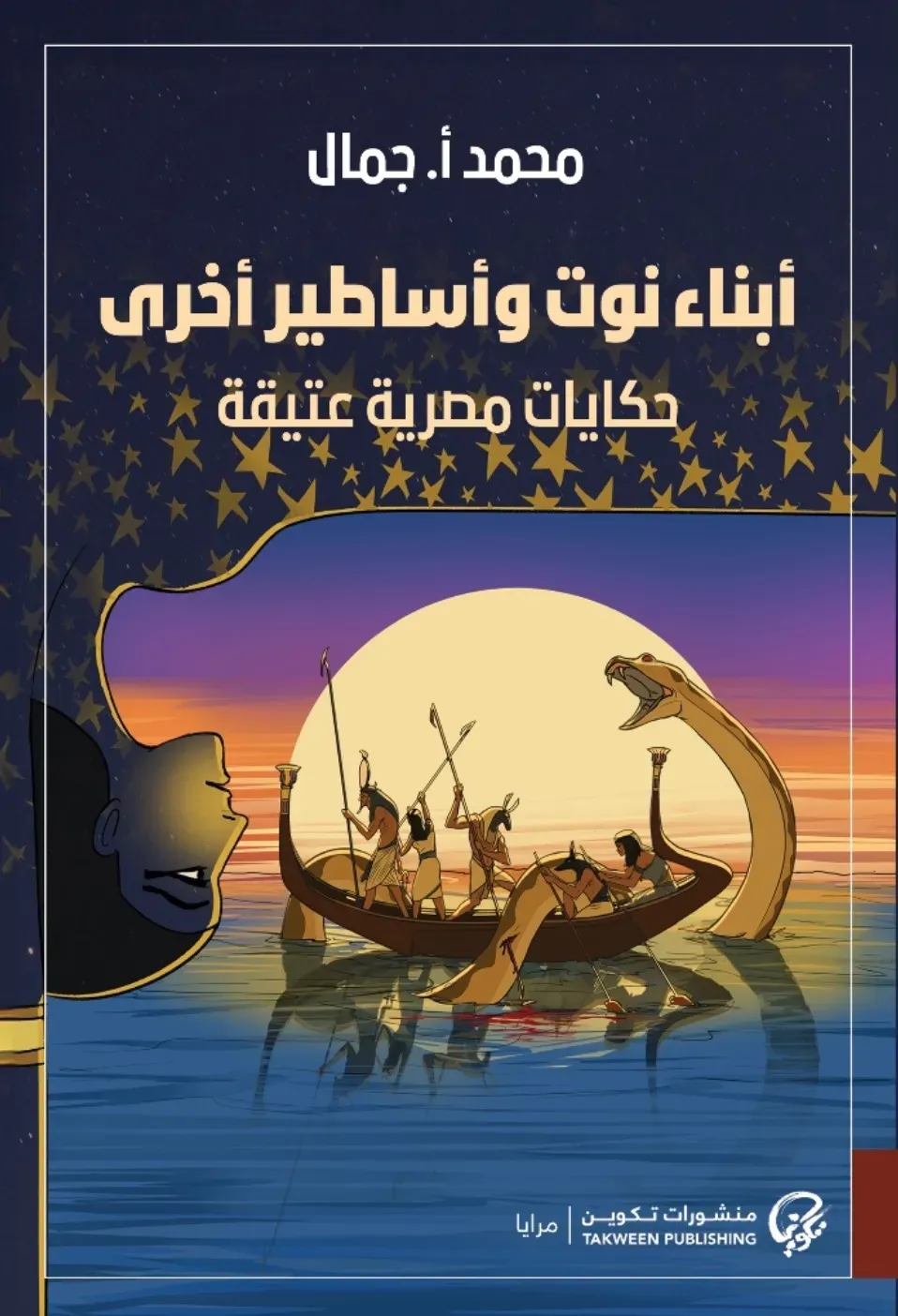
Myths and legends are one of the key ways we humans root ourselves to our pasts. Ancient Egyptian myths are among our oldest written stories. Yet while we have these ancient writings, in many ways, these roots were severed. For the most part, these ancient stories aren’t passed down by grandmothers, but by academics. What Muhamad A. Jamal does in this novel is to recover the excitement of ancient Egyptian myths, reconnecting us to these ancient roots, making them come to life for the modern reader.
This classic short-story collection concerns itself with roots and rootedness in a Lebanese village. In one story, two neighbors are determined to build a trench along the border between their properties. One neighbor, Abu Fares, believes this will ensure the integrity of his soil and stop his hard-earned fertilizer from benefiting his neighbor’s trees. Yet when they dig into the earth, they realize that the tree roots are too deeply entangled. As one man says, "The trees are wiser than we humans. They live in harmony beneath the earth while we fight over its surface."

This American novel, which was turned into a popular 1977 TV series, is a classic in the genre of imaginative genealogy. The book opens in West Africa in the 1750s and traces family history across the next two hundred years. Since historical records were often absent, the book weaves together history and mythology in an attempt to rebuild severed roots. Because of the violence of trans-Atlantic slavery, Haley can’t give precise genealogies. But as author Nadia Owusu writes of the novel, "When roots are out of reach, perhaps myth is the next best thing."
To enjoy the borderless world of books, please visit Ithra’s Library and the Arablit website.
M. Lynx Qualey is the editor-in-chief of the ArabLit cooperative and founder of ArabLit.org.