House of the Tamarisk
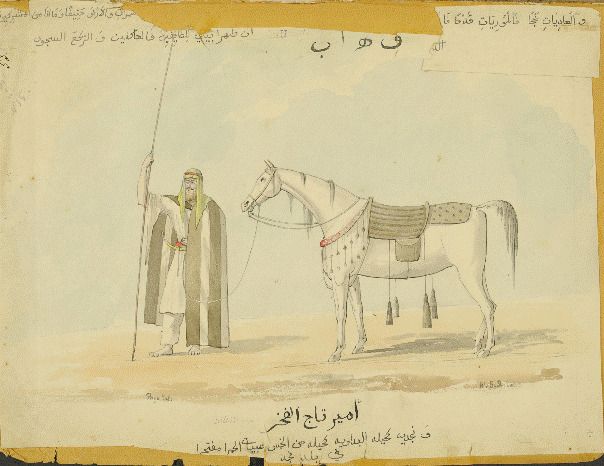
‘The Enchanted Tree.’ Richard Doyle. 1868. Watercolor, gouache, gummed watercolor, applied in layered, opaque and transparent washes with the underlying paper revealed in minute areas throughout the composition. 37.2 × 61 cm. Credits: Harry G. Sperling Fund and The MET.
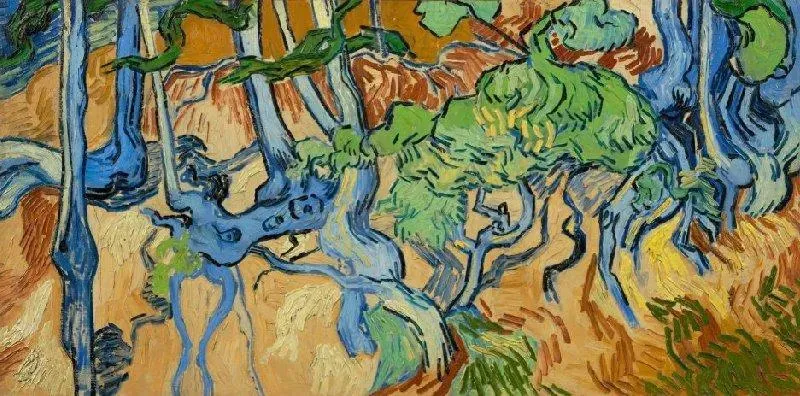
We speak of a "foundation stone" because stone evokes strength and permanence, but it is the often-overlooked roots that provide stability and continuity through uncertain times.
Yet endurance does not always depend on rigidity. Often, what survives is what knows how to bend. The proverb "Bread and oil are the pillars of the house" captures this truth: a home can be sustained by simple essentials, without wealth or the trappings of fleeting luxuries.
It is often said that people do not simply inhabit a home; the places around them come to inhabit them as well. Few trees are as closely woven into the Arab memory of home as the tamarisk. For generations, it grew beside houses until it became part of their identity and memory. The tamarisk has no prized fruit or flamboyant blossoms. Its virtues are quieter. It withstands intense heat, bends against strong winds and lives for generations in landscapes where survival itself can be difficult. Beside the home, it offered shade, softened the heat and helped shield families from wind and dust.
Over time, this practical relationship acquired a deeper meaning. The value of a home, like that of a tamarisk, lies in what it gives those who dwell within it. Walls can rise in days; a sense of security takes years to build. The tamarisk grows slowly, too, but once rooted and mature, it can stand for generations, witnessing the passing of years as though gathering the memory of the place beneath its branches.
Its place in the home extended beyond the shade it cast. In the heritage of the Arabian Peninsula, Arab tents relied on tamarisk poles, and later, mud-brick houses used tamarisk wood for roofs and doors. Pliant yet durable, it became part of the very structures it once stood beside, sheltering generations and enduring with the homes it helped support.
Perhaps no architectural element captures this relationship more vividly than the door. It symbolized privacy, security, and hospitality. Through it guests were welcomed; upon it, good news came knocking; and behind it, families kept the intimacy of home. The quality of its wood was therefore inseparable from the protection it offered, and the tamarisk, valued for its durability, was well suited to the threshold between the household and the world beyond.
Here the tamarisk reveals something essential about endurance. Its pliability is part of its strength. It survives because it can adapt, yielding to difficult conditions without surrendering its roots. Those roots, reaching deep into the earth, evoke the values on which homes are built. They remain unseen, yet everything above them draws strength from their presence; they give the structure its stability. Respect, affection, compassion, and generosity form the roots of a household, holding it firm when the winds of life begin to blow.
Perhaps this is why the tamarisk remains so vivid in the memory of Arab landscapes. It stands quietly beside the home, grows old with its inhabitants and witnesses their joys and sorrows until its story becomes entwined with theirs. If trees are measured by the shade they give, perhaps homes are measured by the peace they provide. In the tamarisk we find an enduring metaphor for such a home: deeply rooted, resilient through the years and generous to those that seek its shade.
Sulieman Alfozan is a Saudi heritage and cultural history enthusiast.