The Soil and Soul of Saudi Art
‘Saudi Mona Lisa.’ Fahad Alrubayq. 1975. Oil on canvas. 62 x 50 cm. Courtesy of the artist. Photo by Ahmed Al-Thani.
She looks not at you, but through you. Her expression holds something that tells you she knows something you do not. It is a portrait of a young lady wearing a thin white veil, through which you can glimpse the auburn tint of her long, wavy hair falling over her shoulders. Her spacious wide-set hazel eyes, small aquiline nose, delicately curved, and tiny mouth—neither smiling nor frowning—reveal very little, yet somehow suggest that she knows much more.
She is the Saudi Mona Lisa.
It is an oil on canvas painted by Saudi artist Fahad Alrubayq in 1975, when he was a young man. Inspired by his readings on the masters of the Renaissance with his limited resources, he found his muse- the sitter of the portrait is a nine-year old neighbor, posing for him at her own home.
This nod to the greats is just that. As "Bedayat: Beginnings of Saudi Art Movement" illustrates, the Saudi art movement began by acknowledging its predecessors but evolved into something far more complex, more firmly established, and more deeply rooted in society.
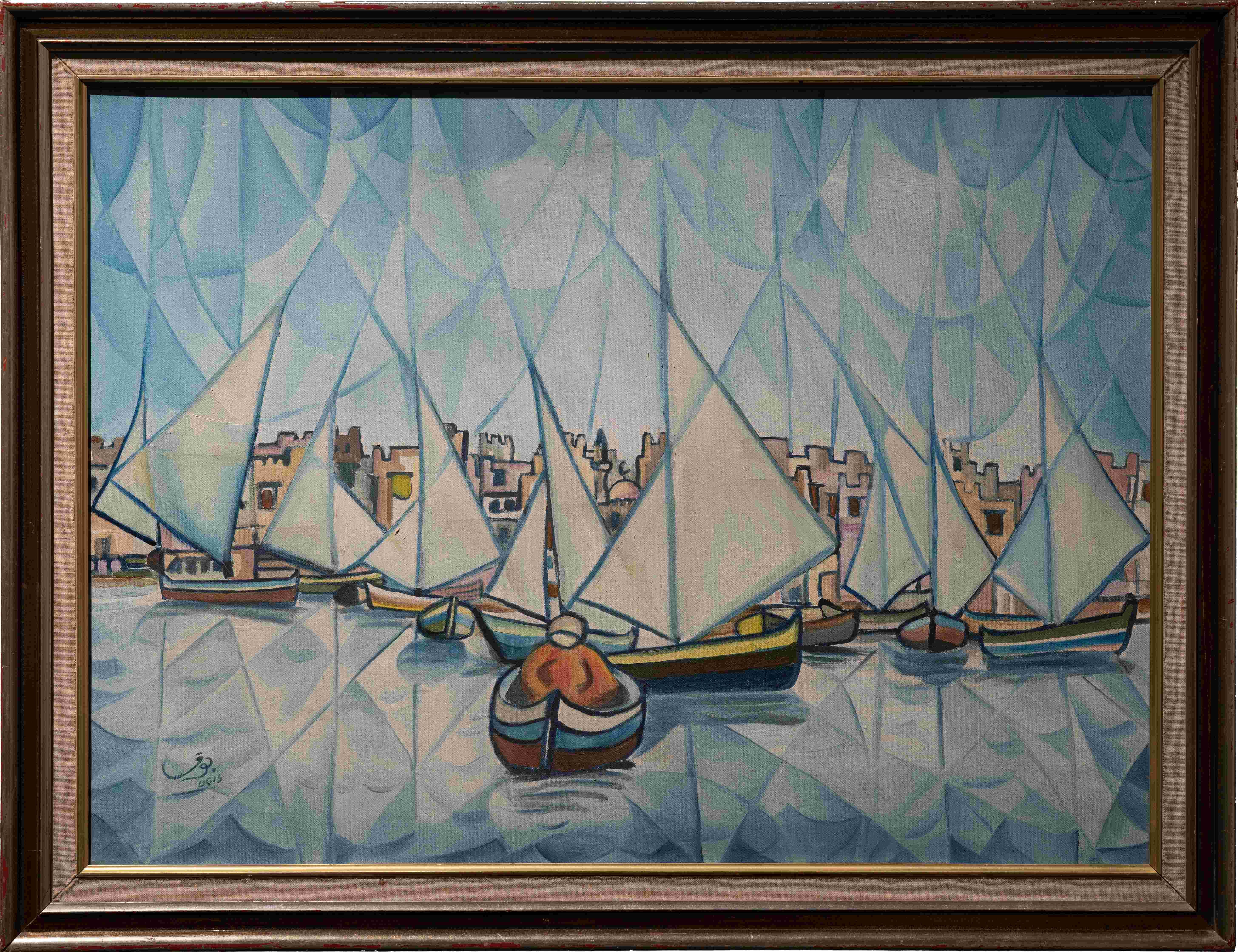
‘The Bright Shore.’ Ibrahim Bugis. 1986. Oil on canvas. 56 x 76 cm. Courtesy of the artist. Photo by Ahmed Al-Thani.
Shelter, fertile ground, stillness, water, stability—this is what was poured into the Saudi Art Movement in the early 1960s—a Kingdom with love for its people, a wish for them to flourish and grow and take root in the arts, to find and express who they are, and to learn from artists around the world and find their own expression.
It was in this climate, in this fertile landscape that Fahad Alrubayq, with the writings of the Renaissance masters in his home and their methods for preparing pigments and canvases at his fingertips, found his calling as an artist. Other Saudi artists, similarly inspired, also discovered their own creative paths and found a place to thrive and grow.
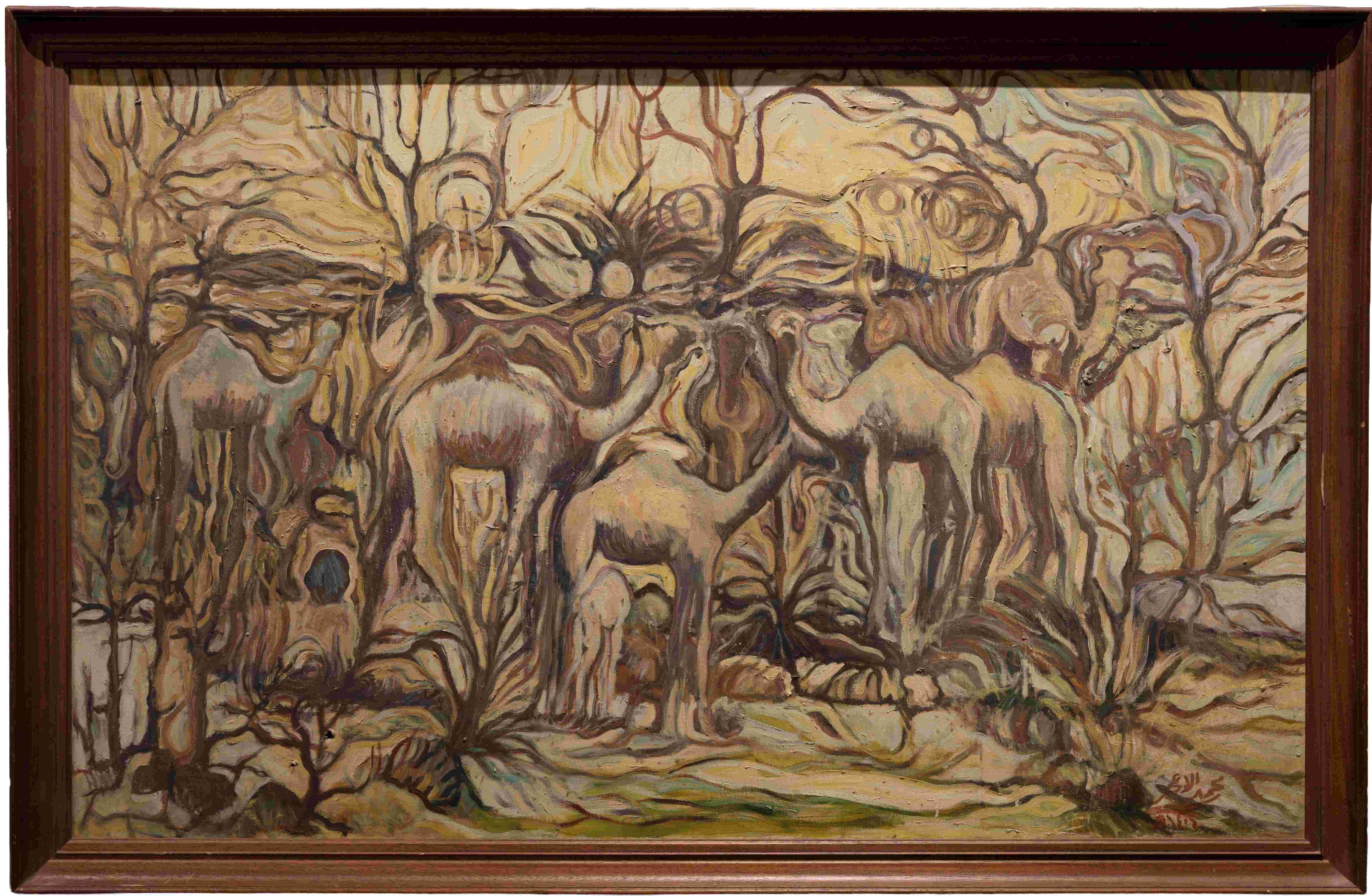
‘Camel Pasture.’ Mohammed Alajam. 1985/1986. Oil on canvas. 74 x 120 cm. Courtesy of Mohammad Abdullah Alalyani private collection. Photo by Ahmed Al-Thani.
Bedayat: Beginnings of the Saudi Art Movement exhibits the visual language of these early pioneering Saudi artists. It is a landmark exhibition, initiated by the Visual Arts Commission based on in-depth research including site visits, interviews with artists, and extensive documentation. The exhibit celebrates artists like Fahad Alrubayq, Abdulrahman Alsoliman, Fouad Mougharbel, Dia Aziz Dia, and Safeya Binzagr, who were all active during the early days of the Saudi art movement from the 1960s to the 1980s.
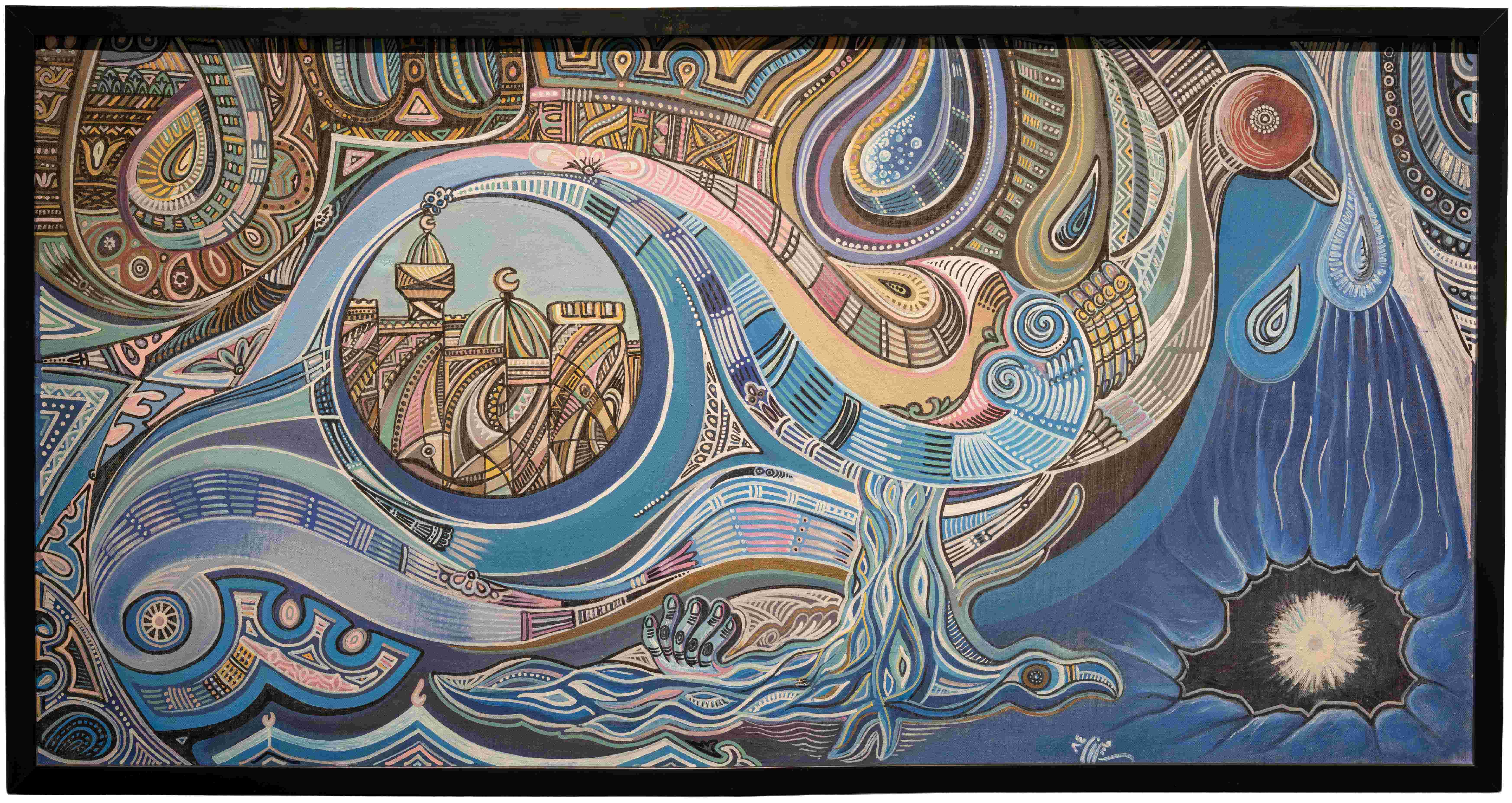
‘Ornaments.’ Mirza Alsaleh. 1984. Mixed media on canvas. 79 x 140 cm. Credits: Collection of the Museums Commission, Ministry of Culture. Photo by Ahmed Al-Thani.
The exhibit shows how first-generation, early Saudi artists created their own unique visual language and built artistic communities during this formative period. It celebrates the beginnings of a community-led art scene, nurtured with passion for creative expression and an eagerness to tell Saudi stories.
By examining the origins of the Saudi art movement, "Bedayat: Beginnings of Saudi Art Movement" provides a stunning look into the country's rich cultural heritage and the evolution of its artistic identity.
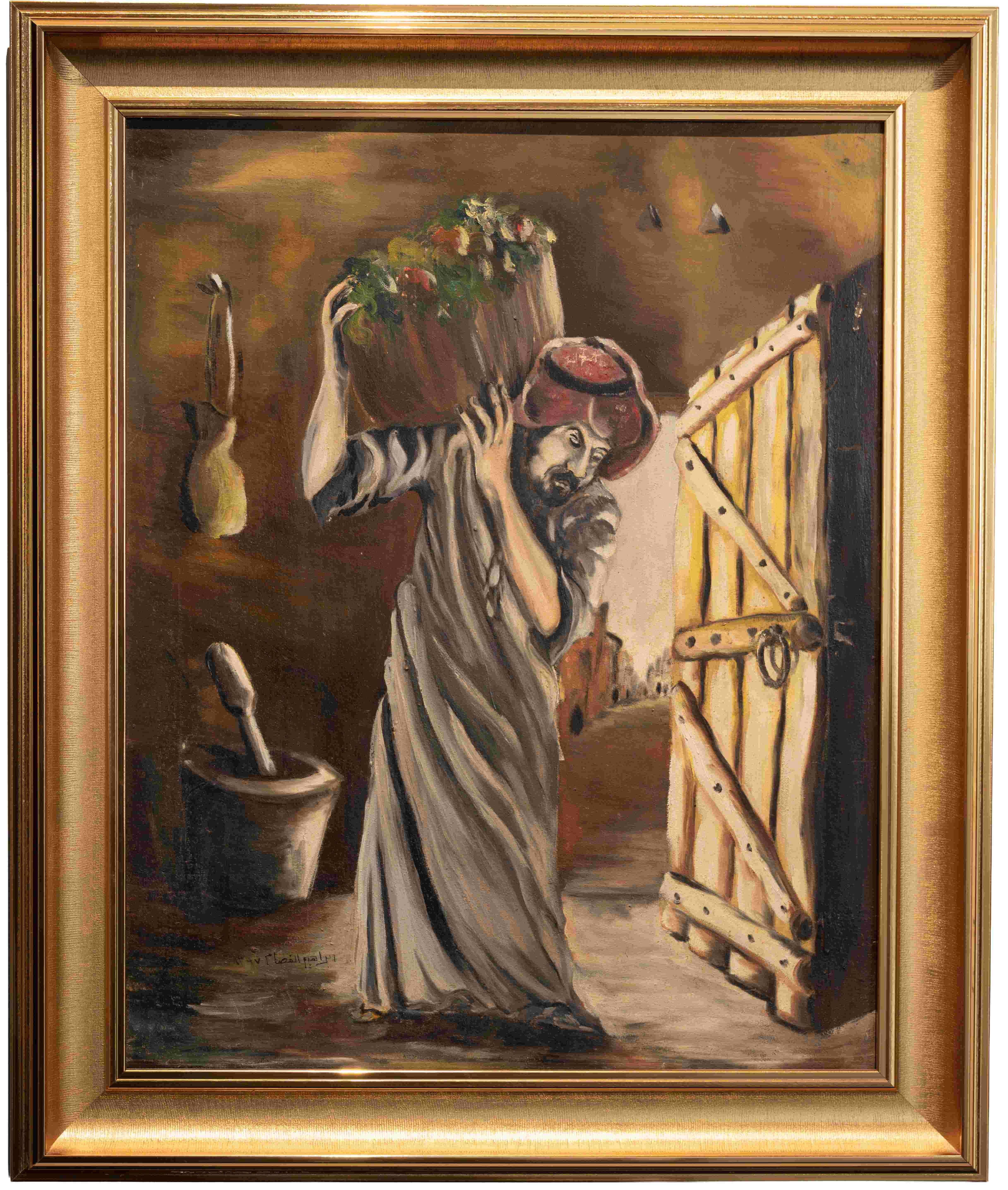
‘My Father.’ Ibrahim Alfassam. 1977. Oil on canvas. 69 x 55 cm. Courtesy of the artist. Photo by Ahmed Al-Thani.
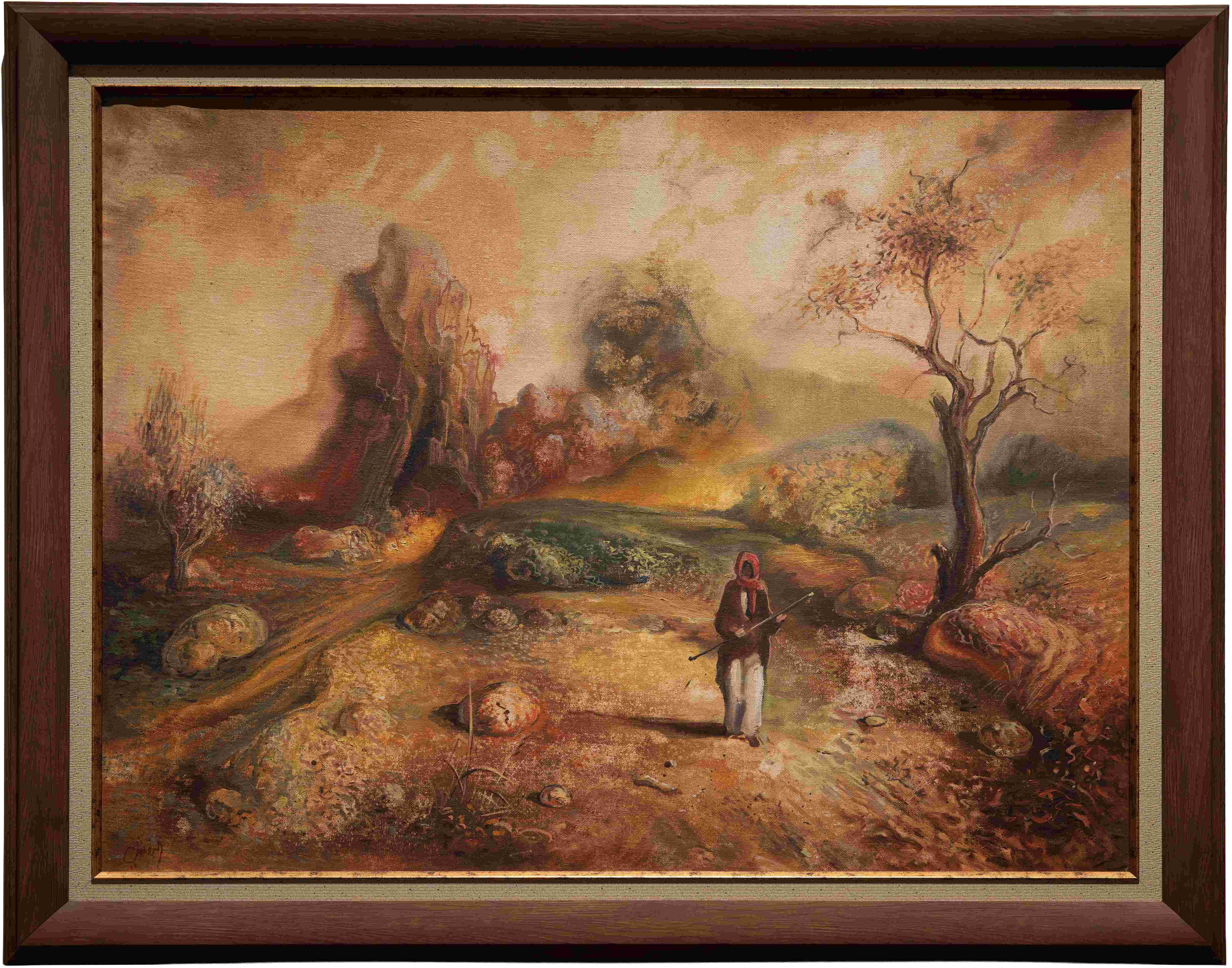
‘Untitled.’ Abdulhamid Albaqshi. 1974-1976. Oil on carton. 52 x 70 cm. Courtesy of the artist. Photo by Ahmed Al-Thani.
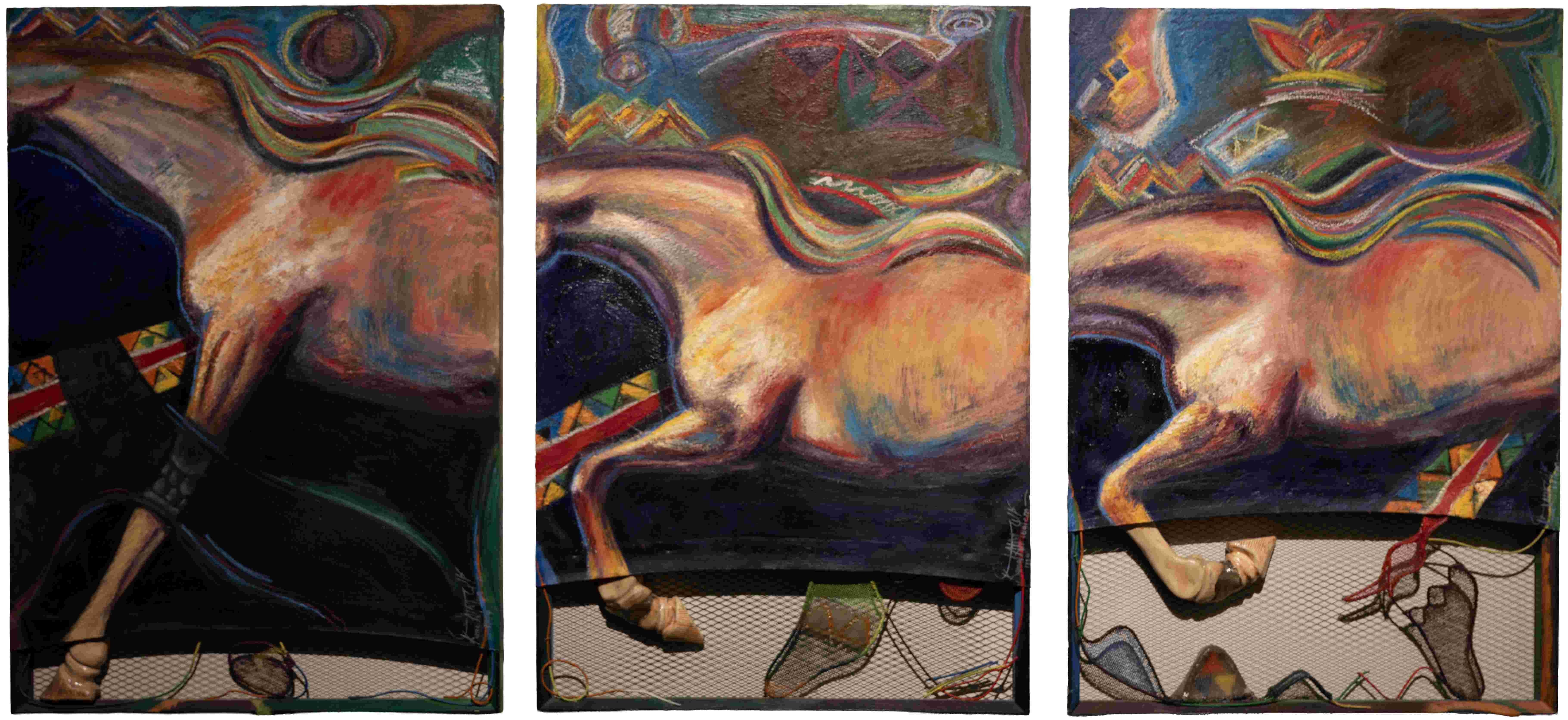
‘Triptych.’ Kamal Almualem. 1994. Mixed media on canvas. Credits: Al-Mansouria Foundation for Culture and Creativity, Jeddah, KSA. Photo by Ahmed Al-Thani.
A blend of the old and the new, the real and surreal, the everyday and the extraordinary, "Bedayat: Beginnings of Saudi Art Movement" is an exhibition that is distinctly Saudi, firmly attached to its own culture, its own vision, bringing its own flavor.
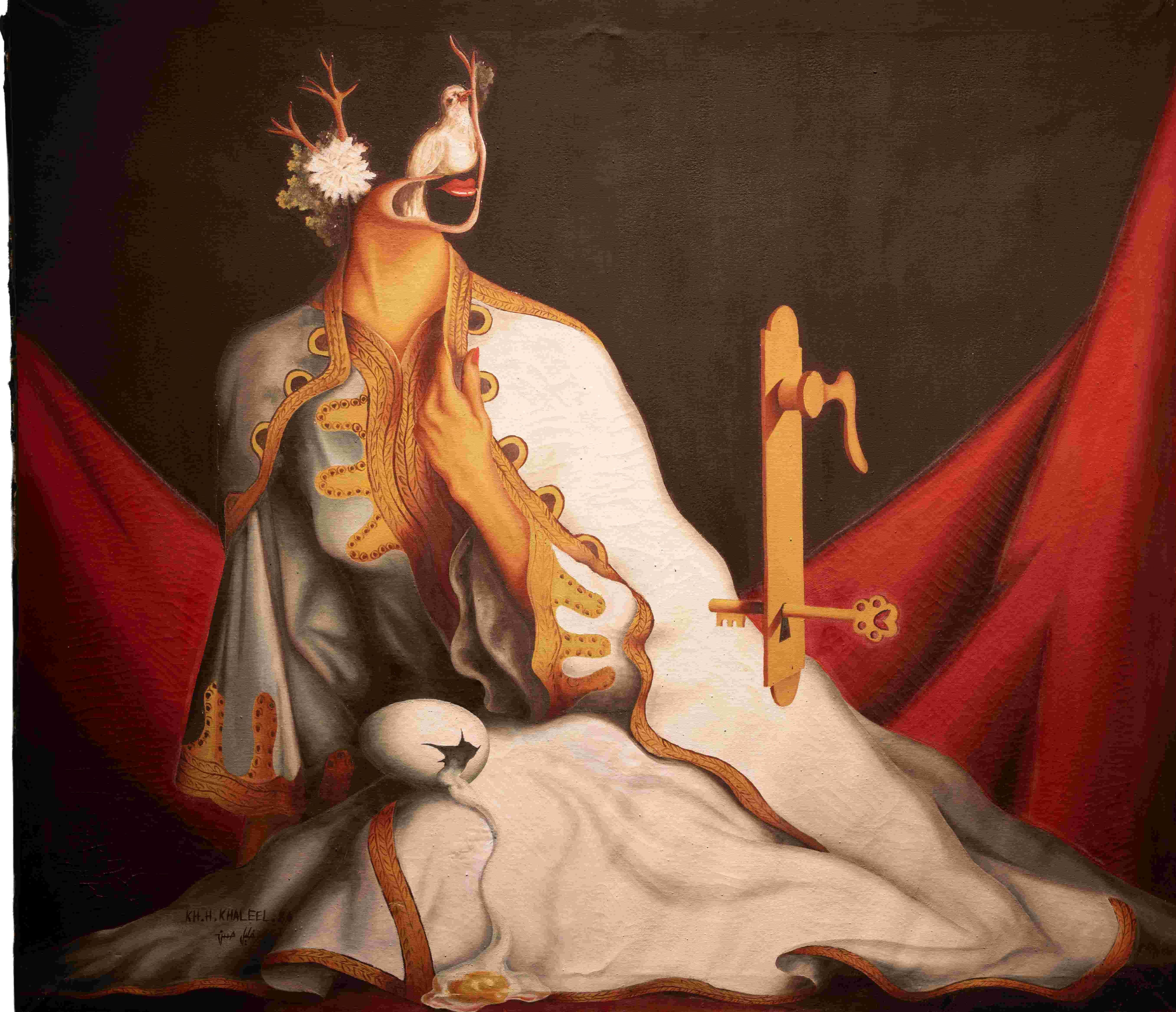
‘Untitled.’ Khalil Hassan Khalil. 1986. Oil on canvas. 107 x 120 cm. Courtesy of the artist. Photo by Ahmed Al-Thani.
This seed has sprouted, and it continues to grow. Today, Saudi artists stand with their brushes in hand, ready to paint, define their forms, choose their textures, colors, opacity, and translucency. Yet beneath the surface, their roots continue to spread, drawing nourishment that allows them to flourish and grow into something born of the soil and soul of the Saudi people—something that first drew inspiration from the world while branching out to explore its own identity.
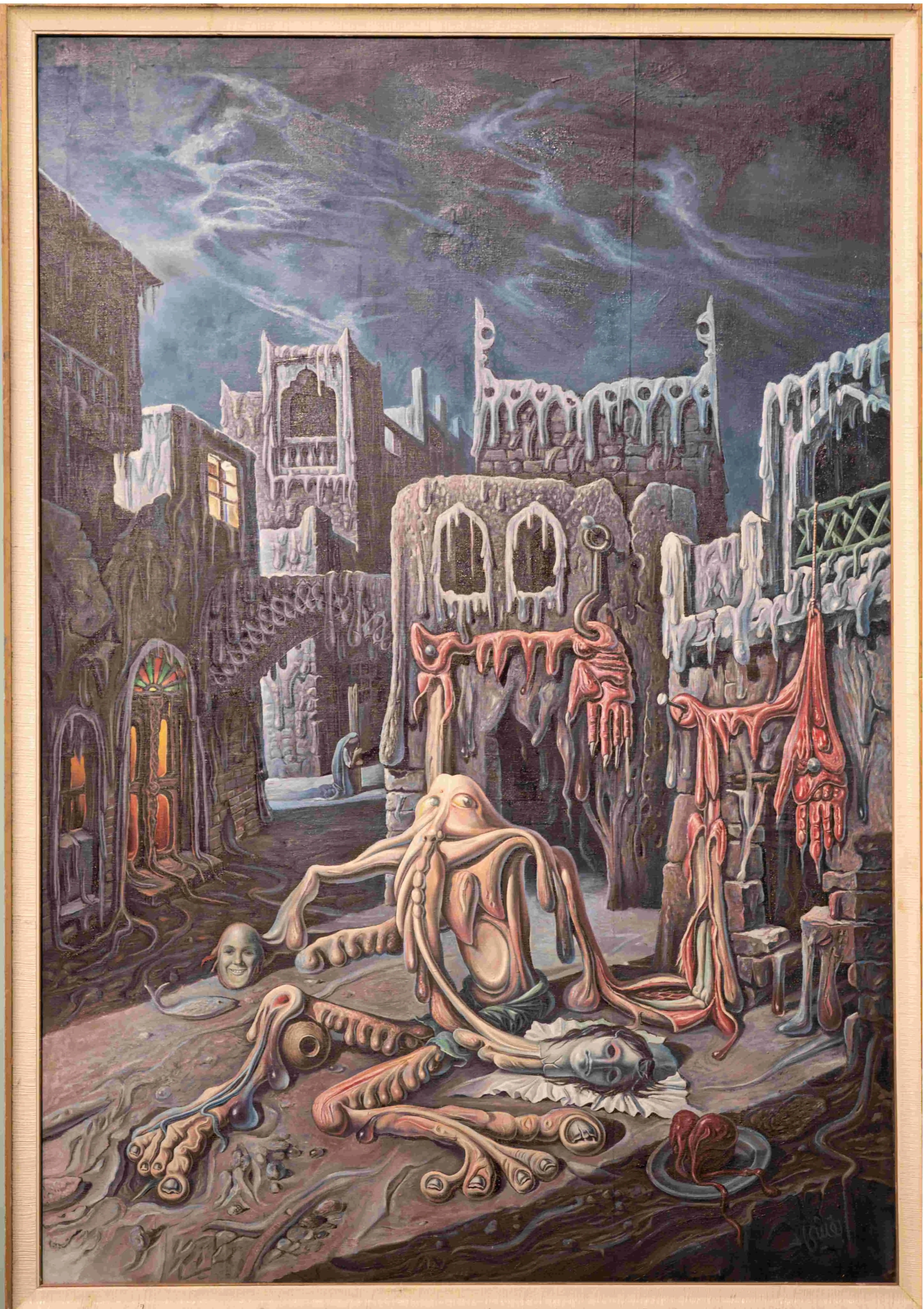
‘The Loud Silence.’ Abdulhamid Albaqshi. 1973. Oil on canvas. 160 x 110 cm. Courtesy of the artist. Photo by Ahmed Al-Thani.
The Saudi Mona Lisa has the countenance of a woman-- wise beyond her years, seemingly prescient in her thoughts-- who perhaps has glimpsed the seed that would be planted and the roots that would take hold in Saudi Arabia. She saw the future in a young man who sat before her, perhaps with trembling hands, painting for a society beginning to move beyond the conventions—and even the confines—of words and poetry, translating its stories into a visual language that would grow into something more brilliant and vibrant than anyone could have imagined. Is that why she looks as she does? A solidly fixed shape from the past foretelling the future? Did she know that she would become a symbol of the beginnings of Saudi creativity?
As the future comes into view, we ask: what seeds are we planting, and what will they grow into?
Maybe we should all be a little curious about what this art scene will become as the world continues to evolve, and as these seeds take root and grow into something greater and more profound—something authentic, rooted in the soil and spirit of Saudi Arabia.
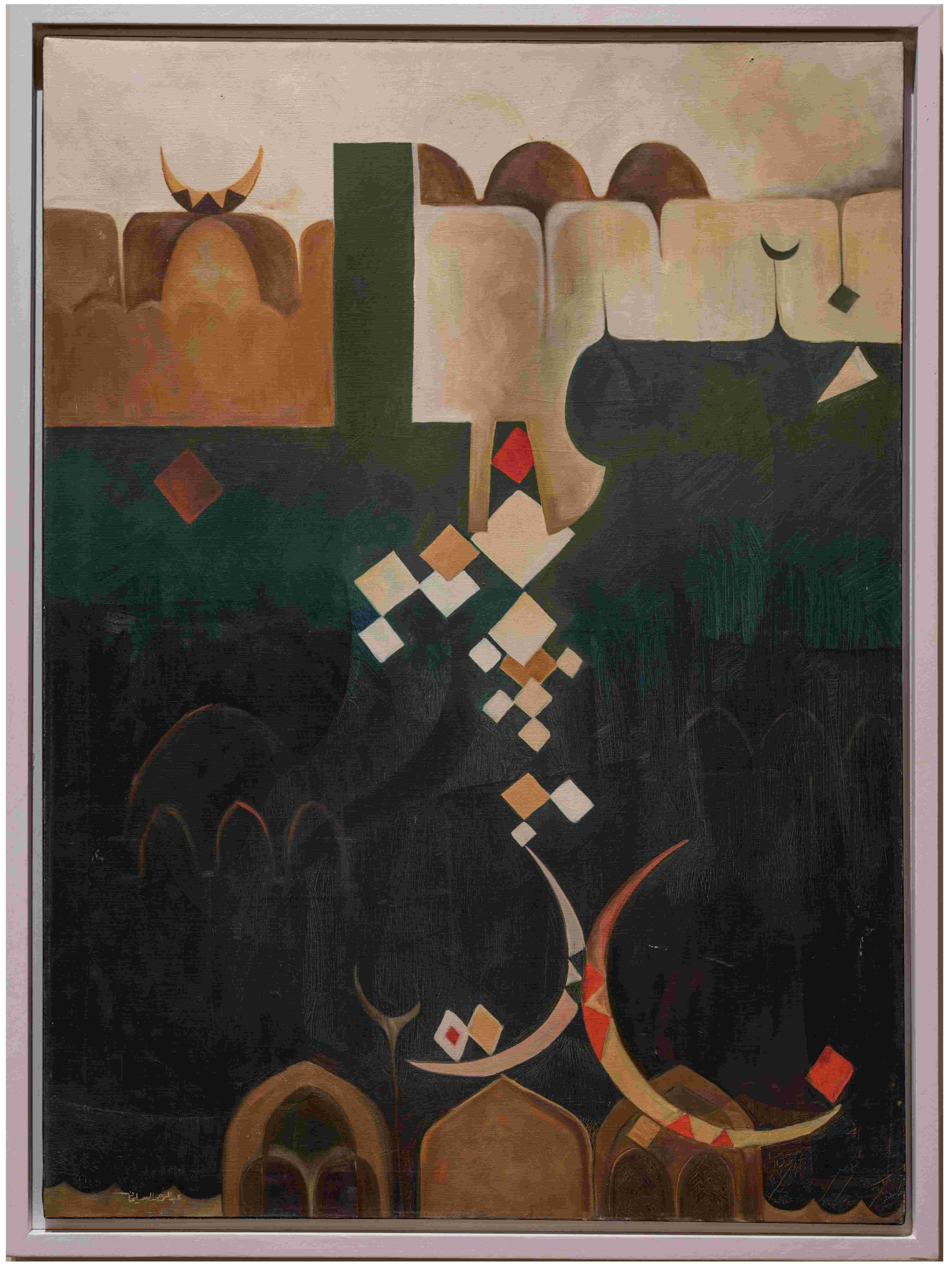
‘Islamic Composition.’ Abdulrahman Alsoliman. 1983. Oil on canvas. 100 x 75 cm. Courtesy of the Jordan National Gallery of Fine Arts, Amman, Jordan. Photo by Ahmed Al-Thani.
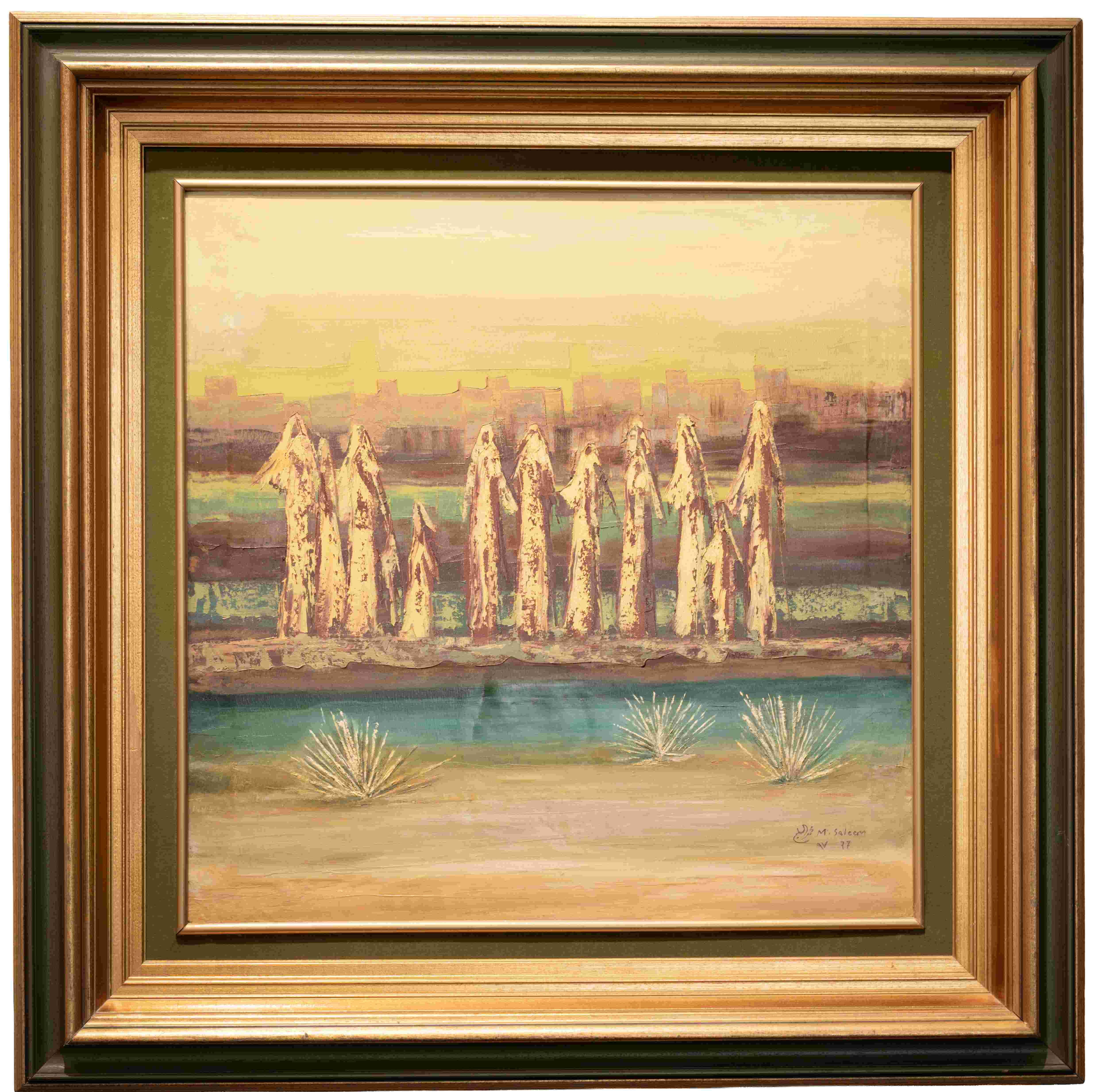
‘Untitled.’ Mohammed Alsaleem. 1977. Oil on canvas. 80 x 80 cm. Courtesy of Turki AlShabana. Photo by Ahmed Al-Thani.
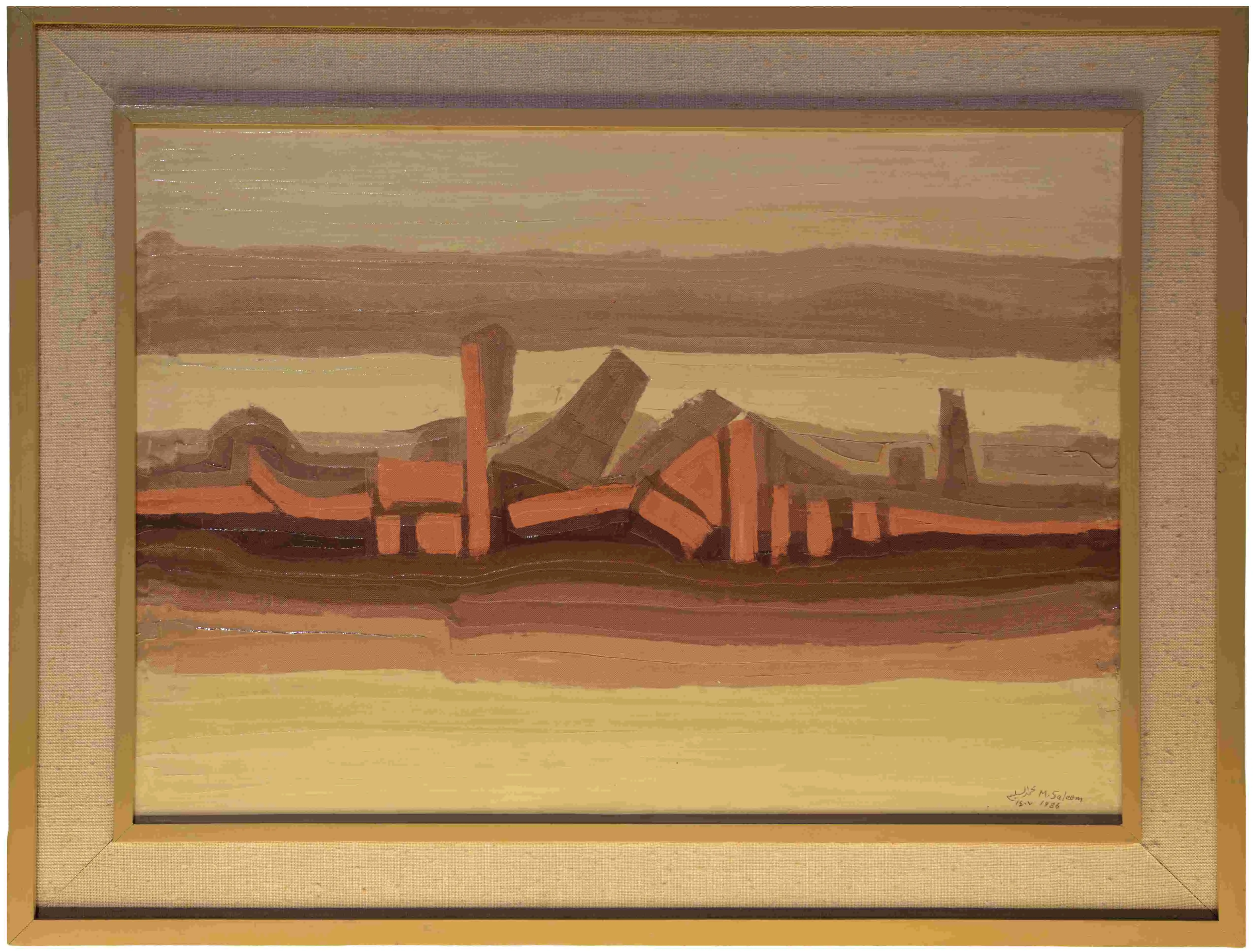
‘Untitled.’ Mohammed Alsaleem. 1986. Oil on canvas. 50 x 70 cm. Courtesy of Art Jameel Collection, Dubai UAE. Photo by Ahmed Al-Thani.
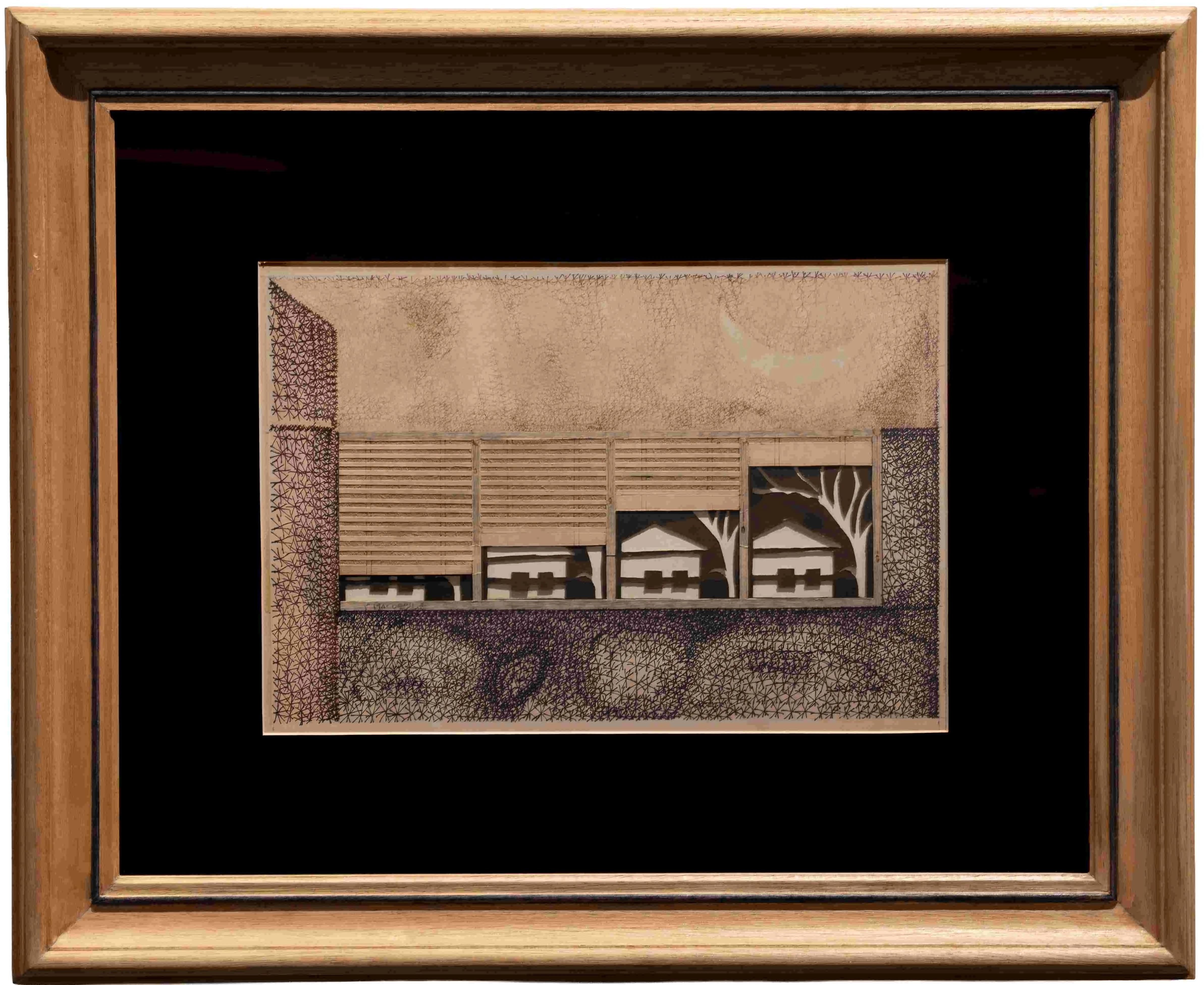
‘Untitled.’ Mohammed Alresayes, 1980. Ink on paper. 27 x 38 cm. Courtesy of Abstract Art Gallery, Riyadh, KSA. Photo by Ahmed Al-Thani.
"Bedayat: Beginnings of Saudi Art Movement" travelling exhibition is an initiative of the Visual Arts Commission presented in collaboration with the King Abdulaziz Center for World Culture (Ithra). The exhibition will be on view from the 13th of July to the 7th of November, 2026, at Ithra for its second edition, having been originally shown at the Saudi National Museum in Riyadh from January to April 2026.
Rima Ruhman is a writer and novelist.
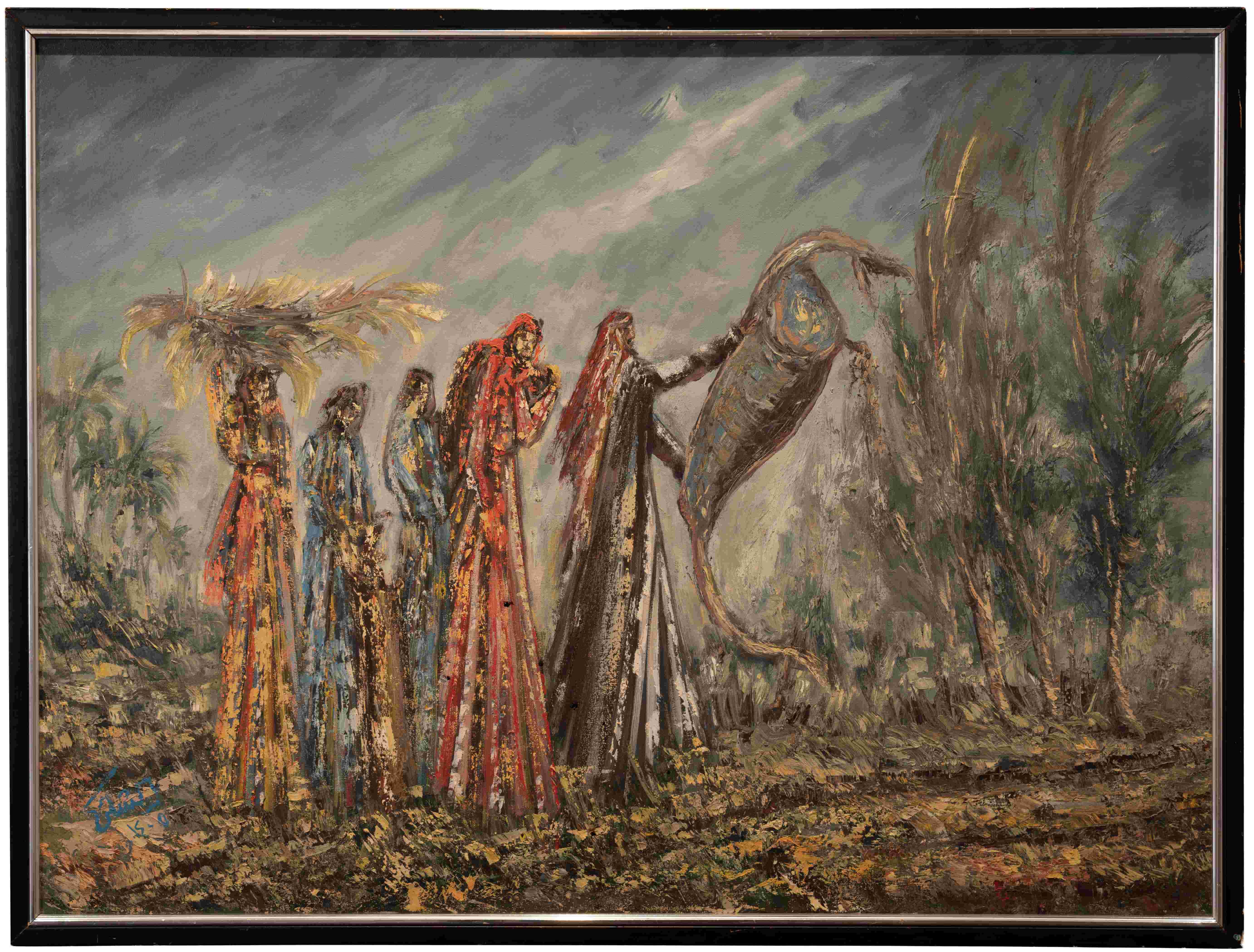
‘Untitled.’ Abdullah Alshalti. 1985. Oil on canvas. 90 x 121 cm. Courtesy of Turki AlShabana. Photo by Ahmed Al-Thani.