Chronicles of Khobar in Canvas
A blend of Saudi heritage and Korean artistic style, artwork by Kim Seungbae. Photography by Akbar Hussain.
In a world where culture intersects with time, the journey of the artist Kim Seungbae reveals a captivating narrative that transcends borders and time. For Kim, the sands of Khobar have not only marked the passing of days since 1990 but also witnessed an evolving impact of Saudi culture and Korean heritage on his artistic vision. Join us on a journey through time as we delve into his reflections on life in Khobar, the city's changing rhythms, and the harmonious blending of two distinct cultures that brings his art to life.
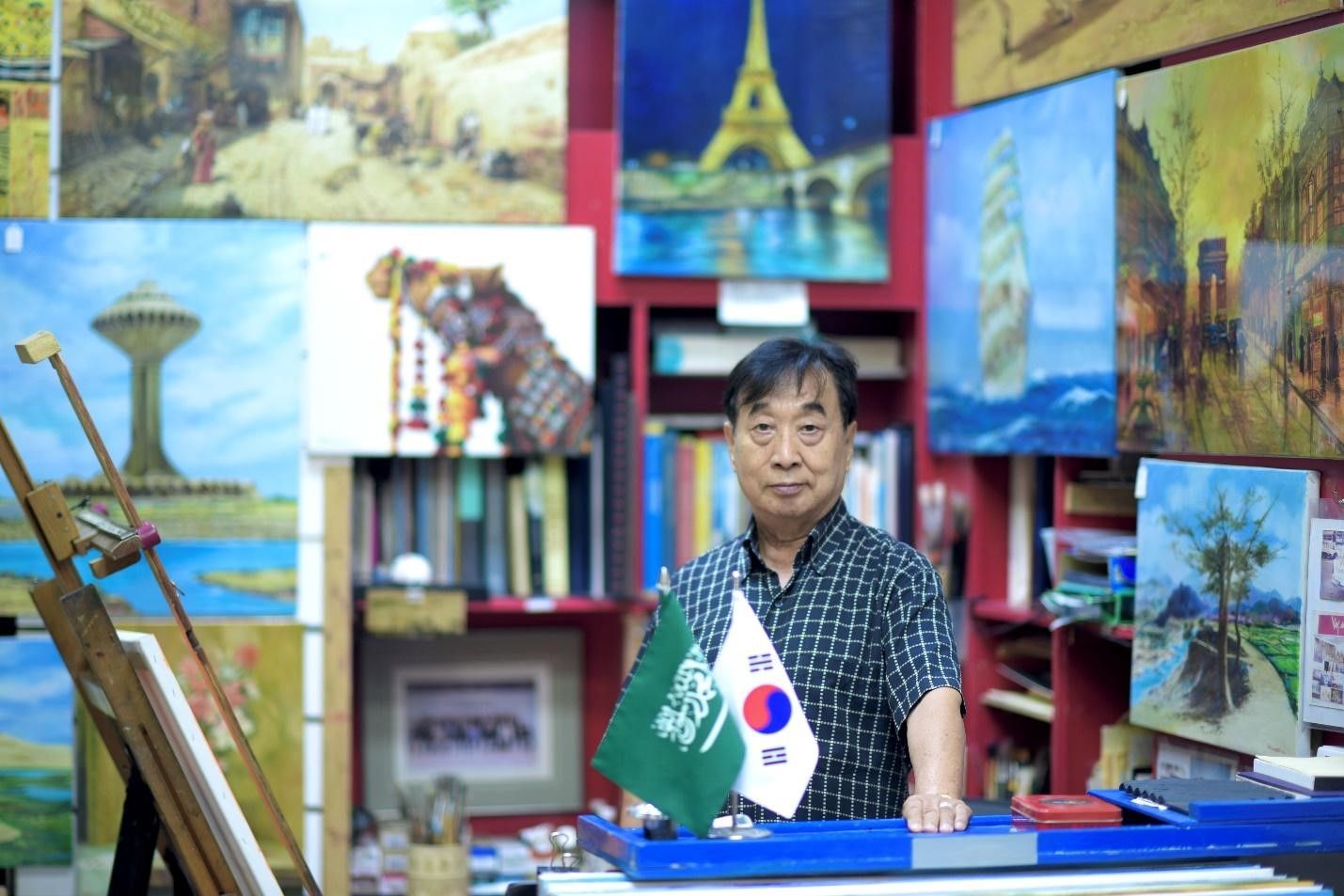
The artist Kim Seungbae. Photography by Akbar Hussain.
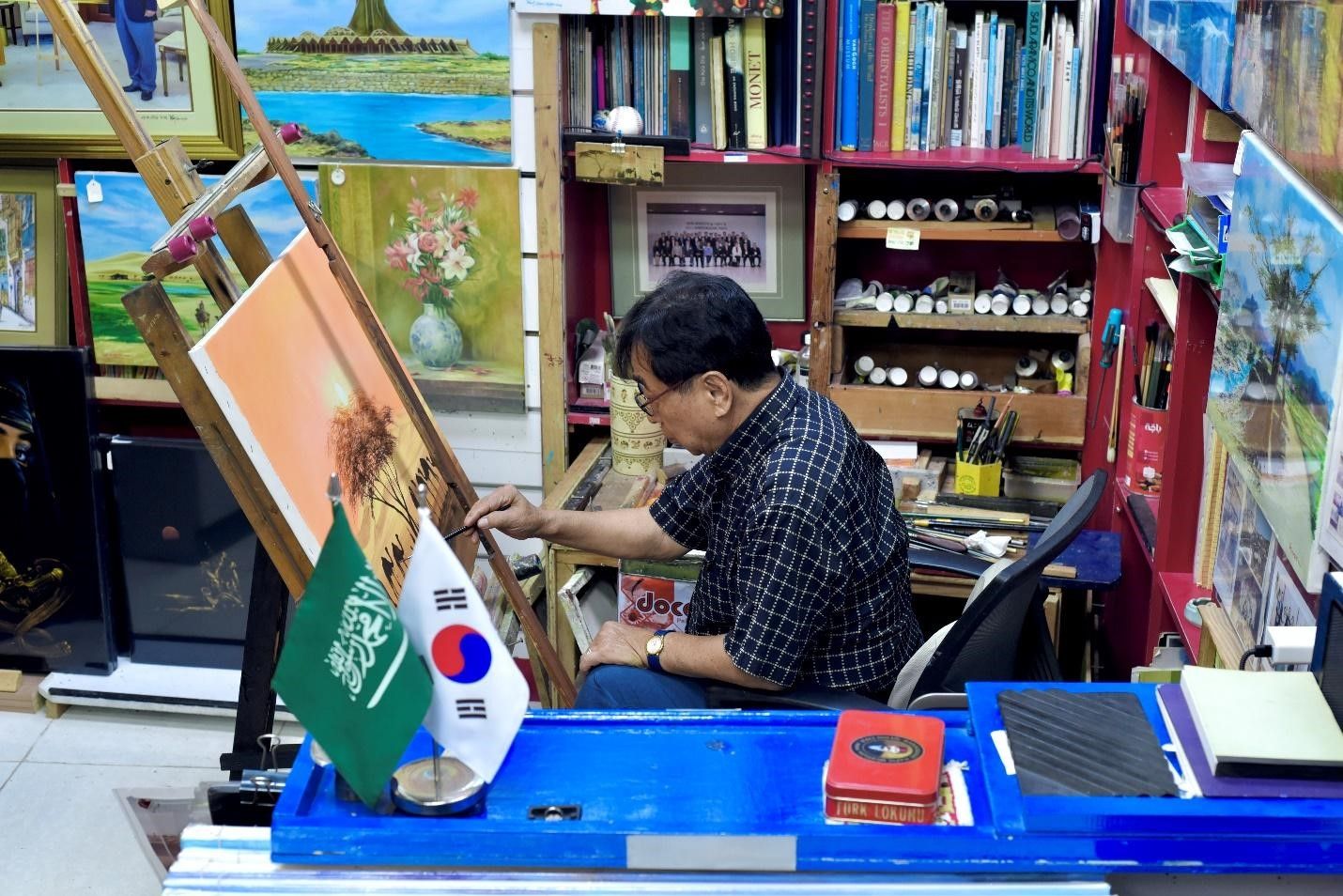
Kim Seungbae while painting inside the gallery. Photography by Akbar Hussain.
Back in 1978, when I was still in Korea, I heard that there was a lot of construction work in Saudi Arabia and the Middle East that changed the cities’ landscape to build more buildings and malls. And there were a lot of European and American engineers moving here with their families, which felt like a gold rush.
And when some came to Korea, I heard about art opportunities and worked on some art pieces for Saudi culture based on images. Seven years later, I wanted to see Saudi for myself, and have a real tour. That’s why I came here and visited Saudi Arabia.
Later in 1990, the owner of this gallery visited Korea to see me and told me about job opportunities for engineers in Saudi, and that Aramco is hiring. And he encouraged me to move and do my art there and display my paintings in the market. That’s when I moved here back in February 1990 and have stayed here ever since. And one year later, my wife and three kids moved here with me.
I began by painting based on photos I have, or got from my supporters. Then, I started going to places like Jubail industrial area, or cultural landscapes like in Qatif, Al-Ahsa, then I took photos for certain locations from different angles to help me with the illustration, and as an inspiration.
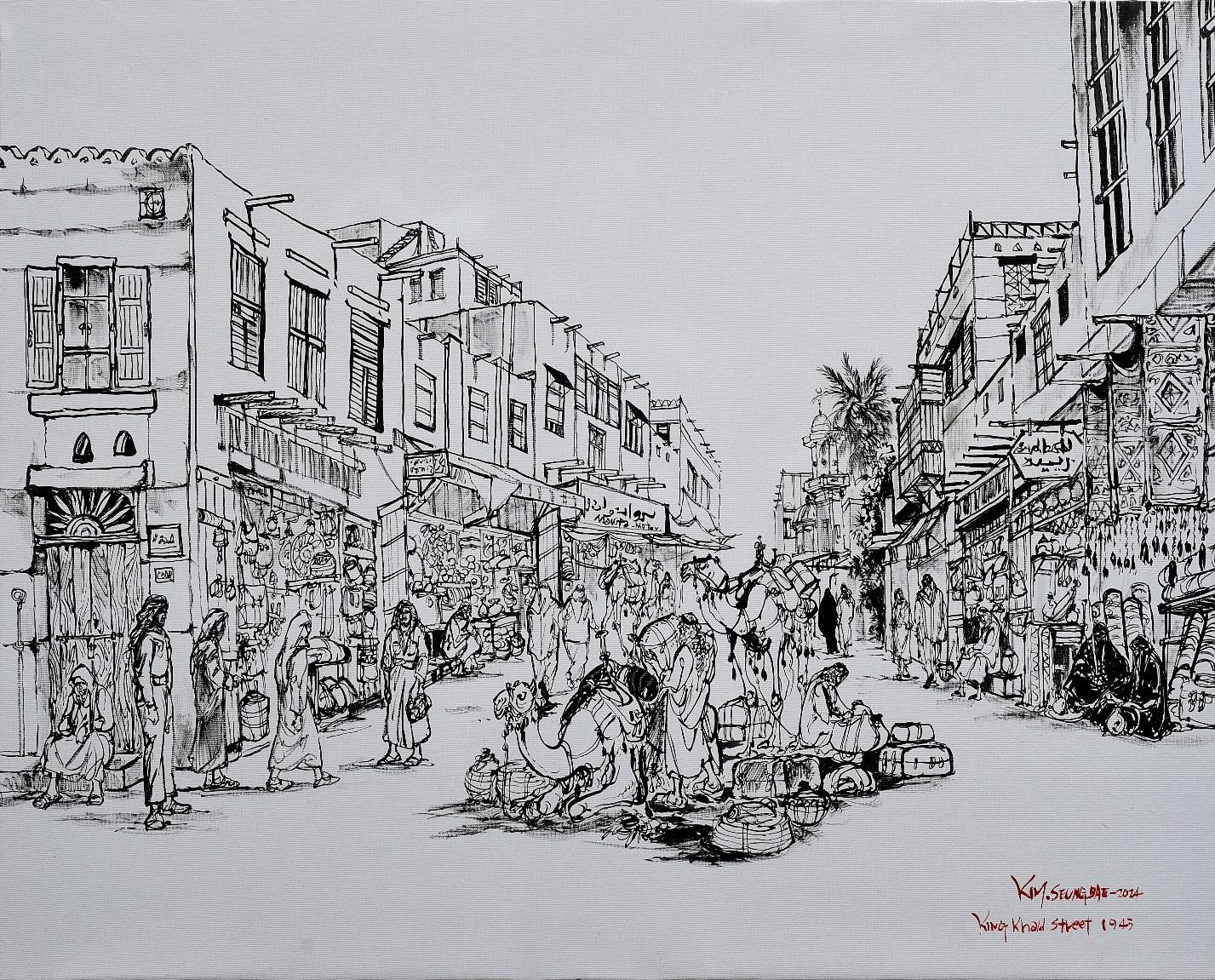
I turn to old photos of the area for my paintings. Some of my paintings were inspired by old photography like King Khalid St. in Khobar that was taken back in 1943, or old Jeddah. And sometimes I make changes while painting, like changing the color or the people that were in the photos.

King Khalid Street, Khobar in 1943, artwork by Kim Seungbae. Photography by Akbar Hussain.
Sometimes, I change my mind and style for new illustrations, and use different painting styles like watercolors for different art pieces. A technique that I used is applying Korean and Asian style to Saudi and middle eastern portraits, caravans, and other art pieces.
Over 30 years ago, people invested more in engineering and construction, and much less on art. And most of my customers at the time were Americans and Europeans, and maybe only 5% or 10% of them were Saudis. Now things have changed, and 80% or 90% of my customers are Saudis. The younger generation now showed more interest in art, especially mine. And part of this because they’re curious about this Korean guy who came here over 35 years ago, only drawing Saudi landscapes and culture, which they find interesting.
I like the social life here in Saudi. People are very kind, and the air is very clean and clear, and life here is very simple.
This simplicity allowed me to research better to make some good paintings, and how to deliver deep and good emotions through art.
I didn’t think that I'd stay here for 30 years, and have my children grow here, but Saudi became my second home now after Korea.
When I first moved here, it was much simpler, and wasn’t as crowded as it is now with cars. And with new generations coming over time, and with more construction, things keep changing.
Khobar now feels like a new and big city compared to when I first moved, when there were a lot of deserted areas. Back then things were different. No internet, no Wi-Fi, no phones; only fax and landlines. Even when it came to airports, we only had Dhahran airport before now having King Fahd International Airport in Dammam. And I had witnessed the building of the Causeway between Saudi Arabia and Bahrain.
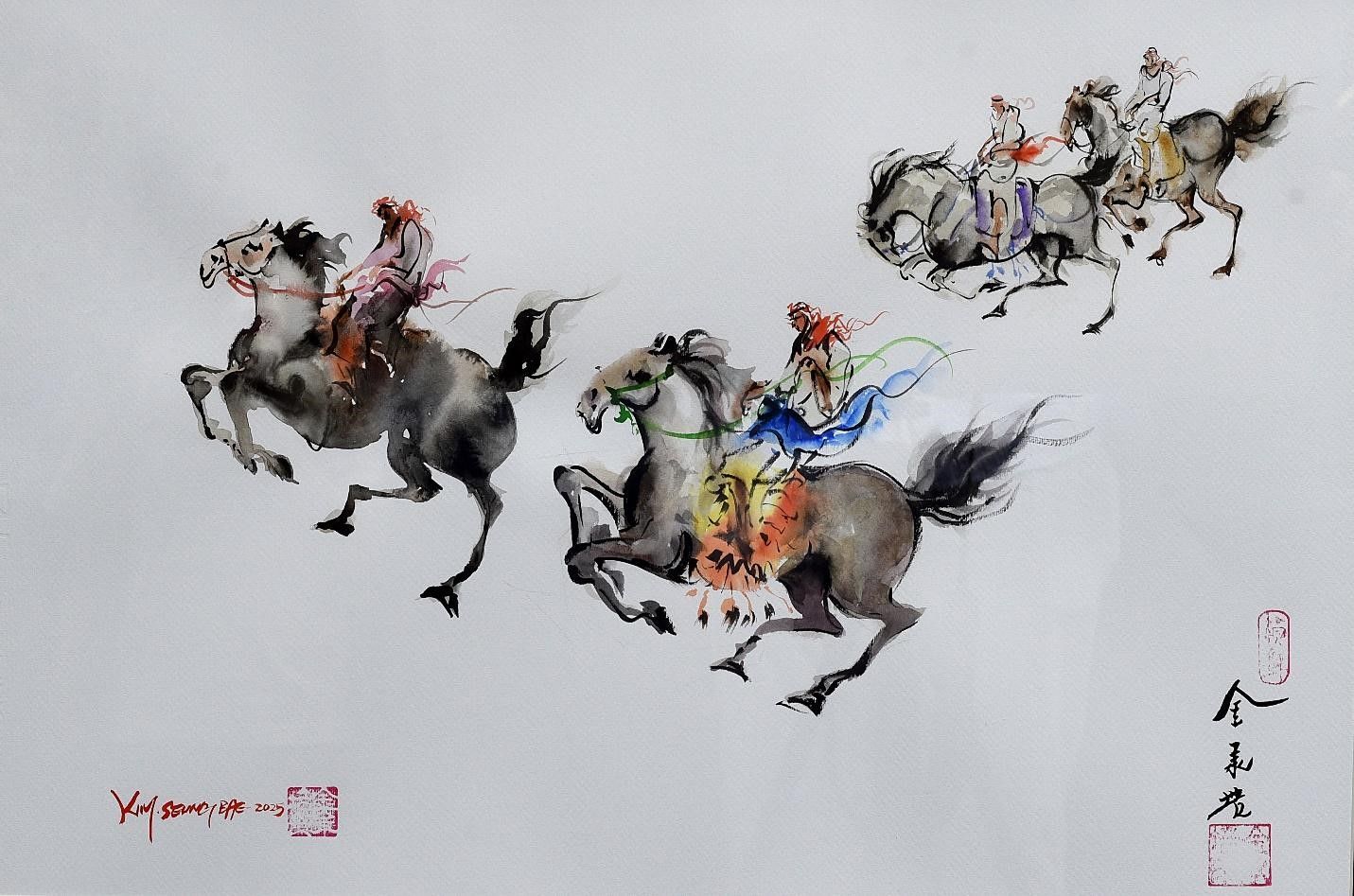
Saudi horsemen in a Korean artistic technique, artwork by Kim Seungbae. Photography by Akbar Hussain.
Back in 2019, I drew the Khobar water tower. But when I drive around that area, everything is changing now, and keeps changing, including the water tower. Life is like this, a continuous change. So, drawing these landscapes and monuments feels like documentation.
Everything is based heavily on technology now. And high technology changed everything and how the systems work. But there is one thing that technology cannot change, which is art, and cannot replace human creativity.
In the blend of Korean roots and Saudi culture, Kim Seungbae has found a home for his art, shaping the landscape of his creativity and the heart of Khobar. Through his eyes, we have witnessed the beauty of cities that are intertwined with the threads of past, present, and future. Reflecting on his journey, we are reminded that the passage of time is not just a measure of moments, but also of experiences and intersecting stories, like a canvas waiting to be painted with the colors of life.
More of Kim Seungbae’s artwork:
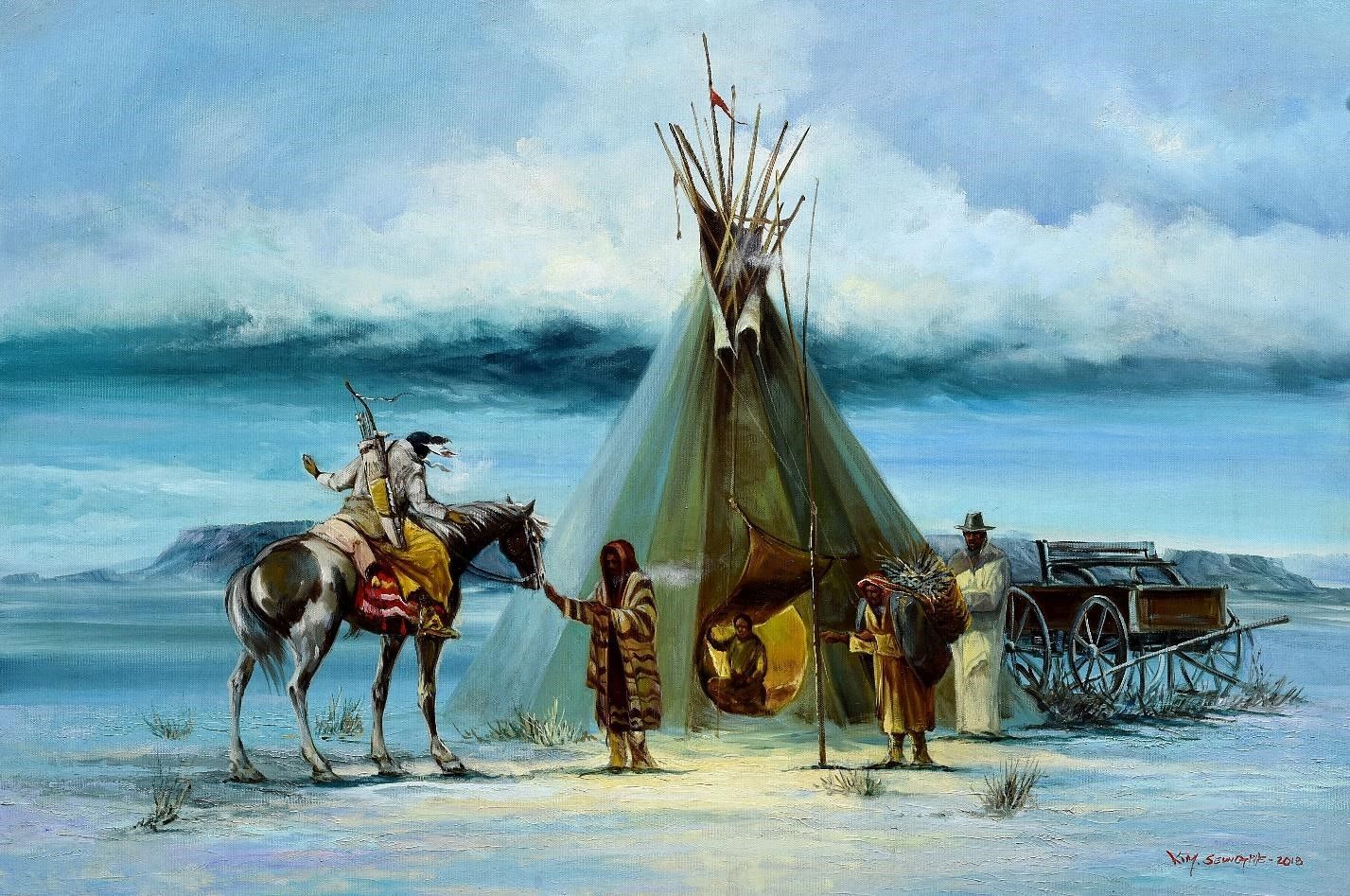
Kim Seungbae’s artwork. Photography by Akbar Hussain.

Kim Seungbae’s artwork. Photography by Akbar Hussain.
Kim Seungbae’s artwork. Photography by Akbar Hussain.
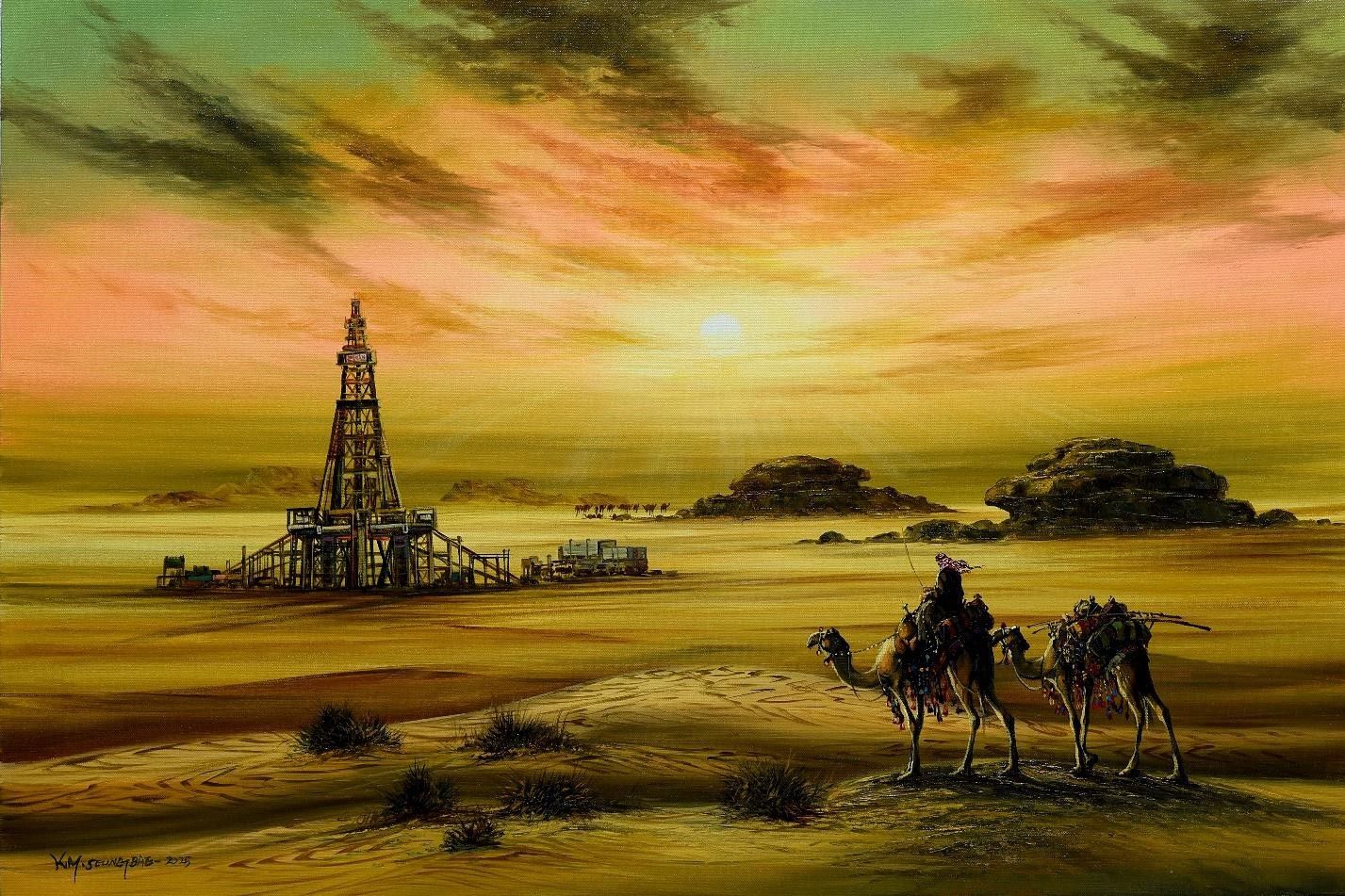
Kim Seungbae’s artwork. Photography by Akbar Hussain.
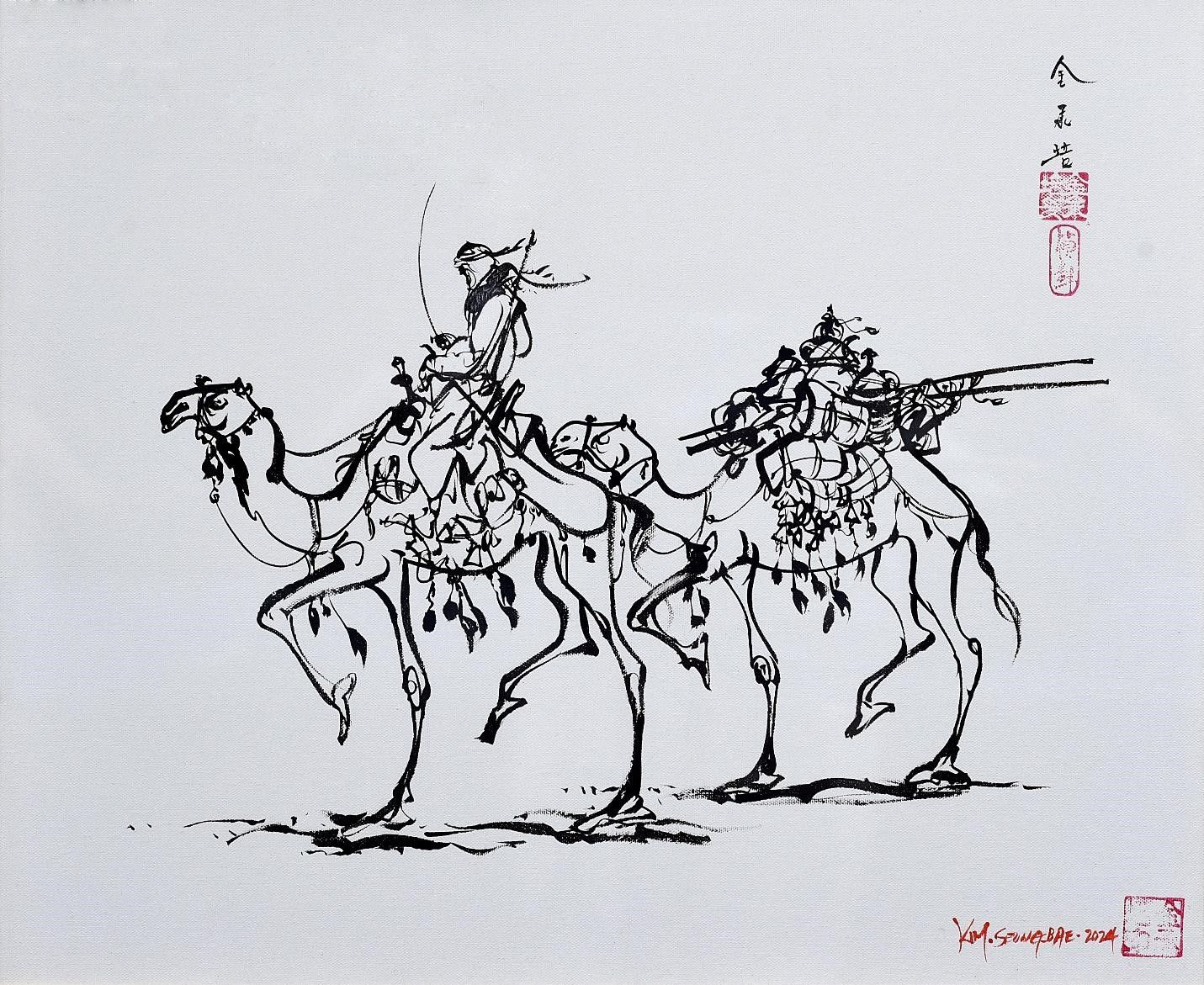
Kim Seungbae’s artwork. Photography by Akbar Hussain.
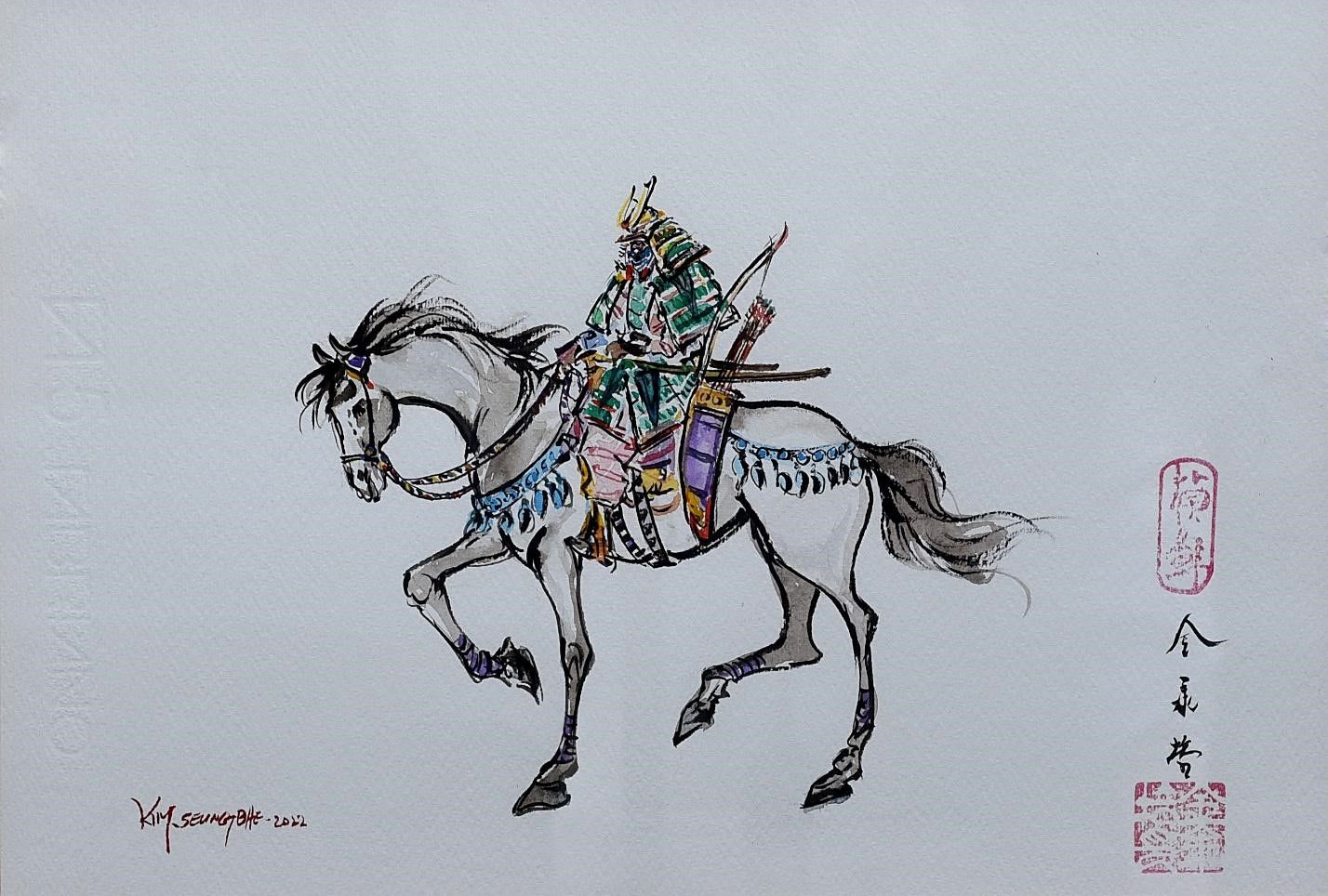
Kim Seungbae’s artwork. Photography by Akbar Hussain.
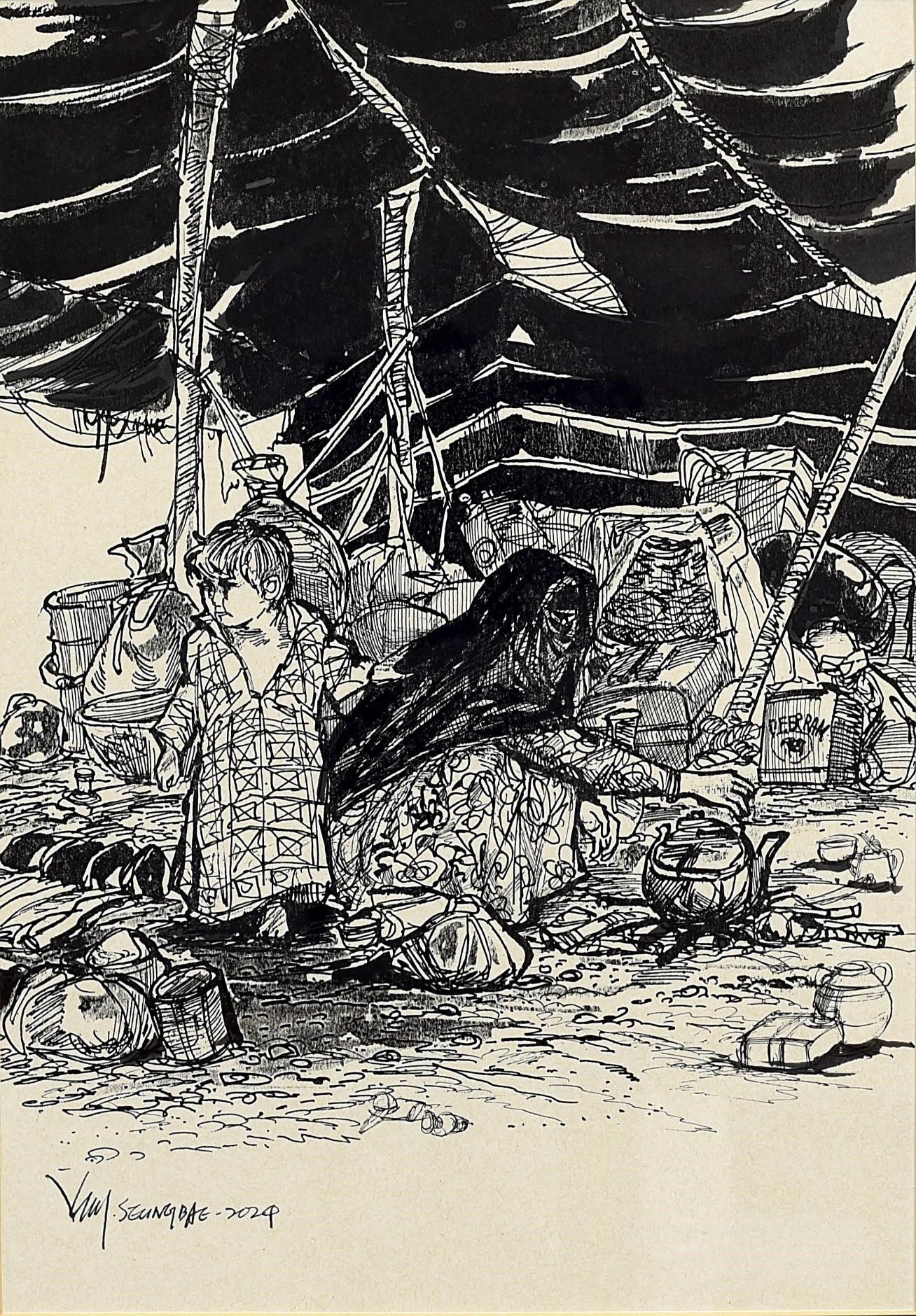
Kim Seungbae’s artwork. Photography by Akbar Hussain.
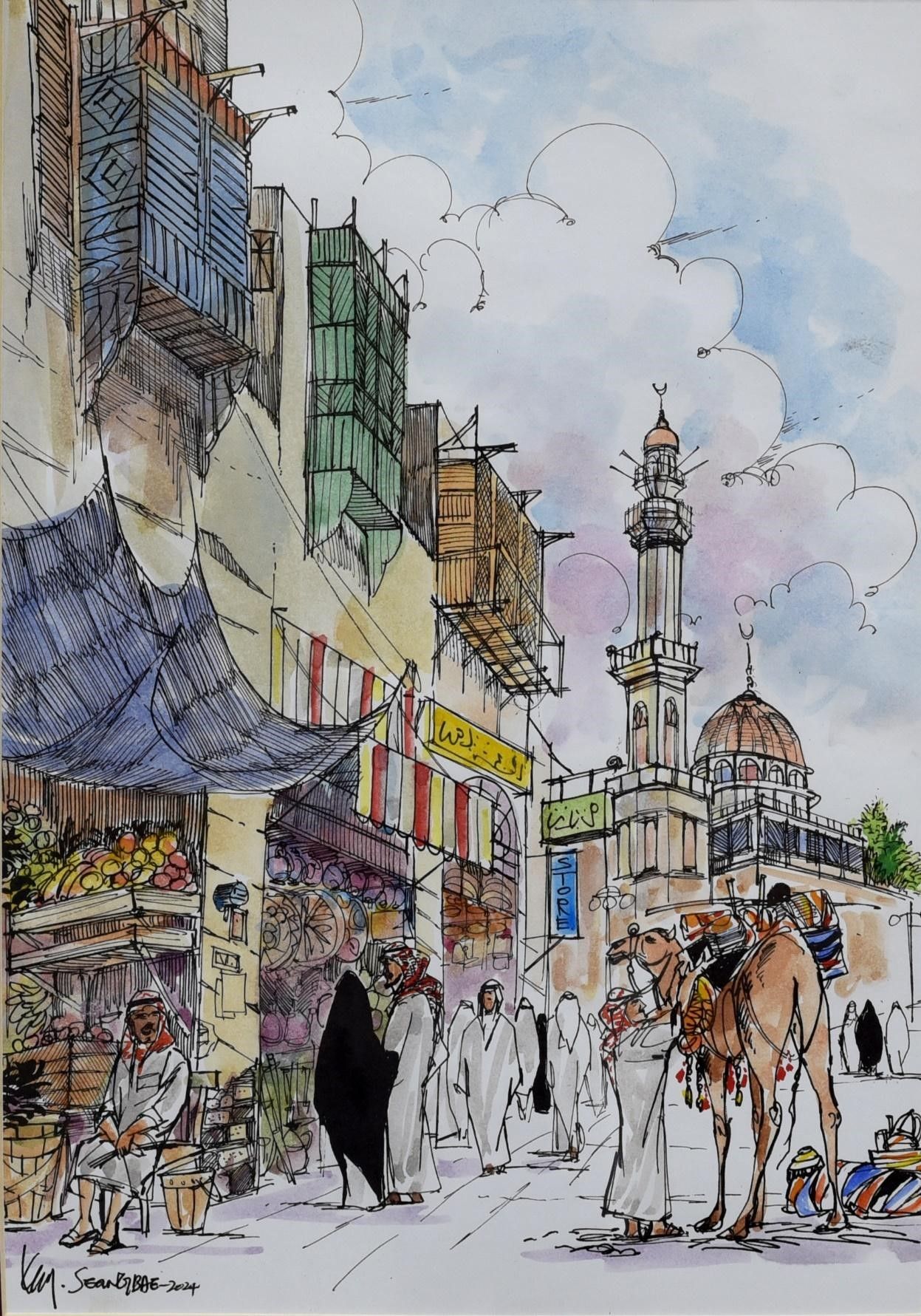
Kim Seungbae’s artwork. Photography by Akbar Hussain.
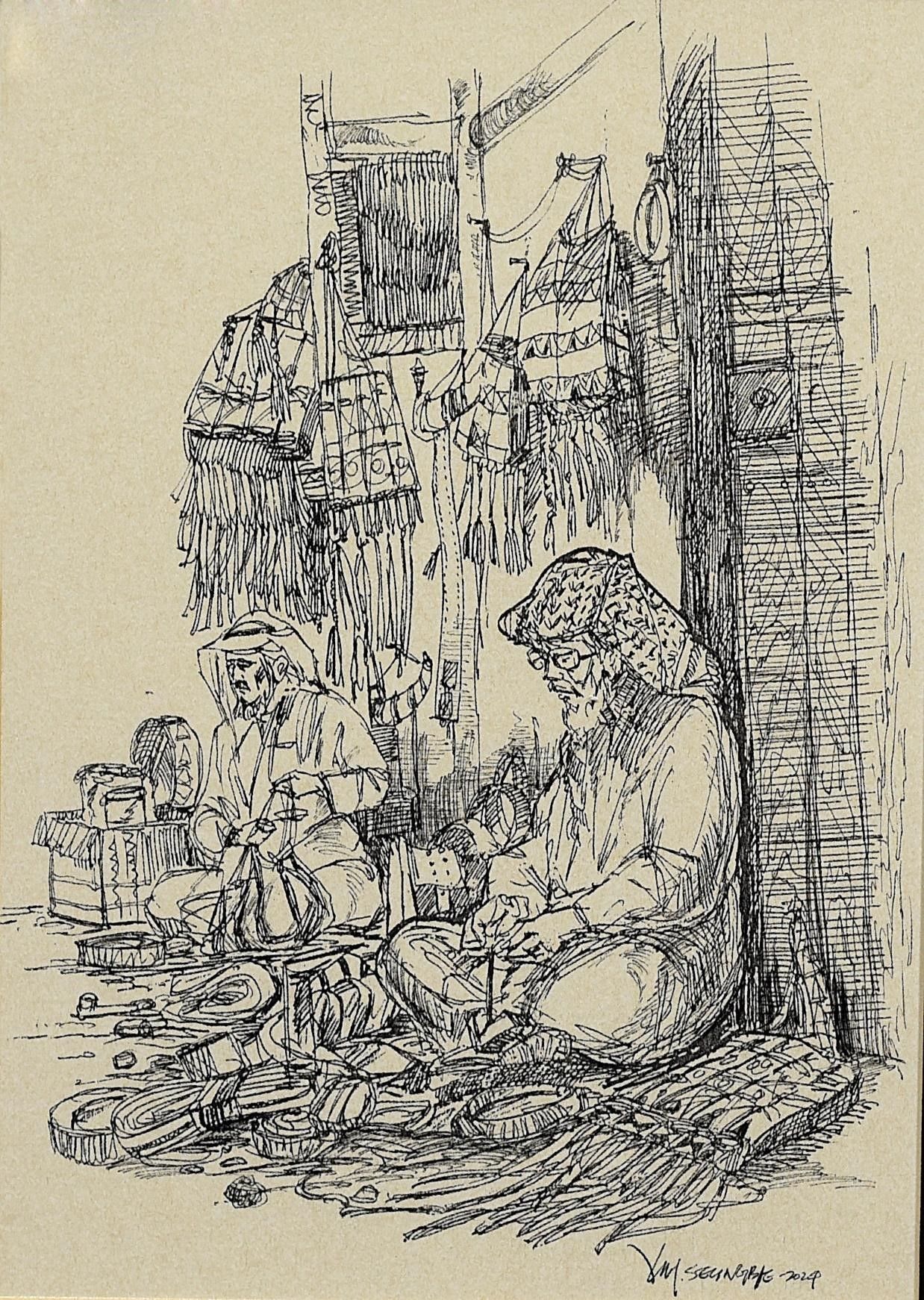
Kim Seungbae’s artwork. Photography by Akbar Hussain.