A Tear of the Oyster, A Wash of the Brush
‘The Young Hare.’ Albrecht Dürer. 1502. Dürer is recognized as the first famous watercolor painter to treat this delicate medium seriously. Using very fine detail brushes where he carefully painted every single fur, whisker and hair, this artwork is famous for its photographic realism. Credit: The Albertina Museum.
Dear Readers,
A single grain of sand holds the memory of mountains. A single drop of water carries the stories of oceans, the tears of clouds, the sighs of rivers. In this special edition of Ithraeyat, we turn our gaze to that most humble yet powerful theme: Water. It is the lifeline connecting every story on this earth, from the ancient rivers to the morning dew on a desert leaf.
Water does not simply flow, it remembers. It shapes coastlines and cultures, nourishes faiths and famines, and in art, it finds its colorful voice. It is fitting, then, that we look back to the early sixteenth century, when Albrecht Dürer—widely considered the first major artist to treat watercolor as a serious medium—picked up his brushes and meticulously brought life to art. Before this German painter, printmaker, and theorist of the German Renaissance, watercolor was little more than a preparatory sketch. But in his hands, water and its colors became both a teacher and a tool, where a patch of moss, a slab of rock, or a tuft of fur became luminous, breathtaking masterpieces.
Like Dürer’s strokes, our stories in this edition seek to capture what is fleeting yet eternal. From the songs of the seas by majestic whales to the subtle drops of rain on thirsty lands to the great adventures in storms outside and within, we honor all beings and things dependent and linked to our most precious resource, water.
And sometimes in these waters, when irritation becomes an invitation, a speck of sand, wrapped in layer after layer of nacre, transforms into a pearl. What begins as an intrusion ends as iridescence. This is our poetic water’s oldest magic: to take the rough and undefined and make it soft and shine.
A moment of pause to enjoy one of the art world’s most recognized pieces, Johannes Vermeer’s Girl with a Pearl Earring (c. 1665). This iconic piece by this Dutch Golden Age painter mesmerizes as it embraces the subtle beauty of a girl and water’s gift of a pearl, born of an oyster’s slow, secret labor.
Inside these pages, explore that special alchemy of water that connects and divides; that creates, endures, and adorns.
Water always speaks. And if we listen closely, we just might hear the world’s oldest tale.
With Appreciation and Respect,
Rym Al-Ghazal
Editor-in-Chief
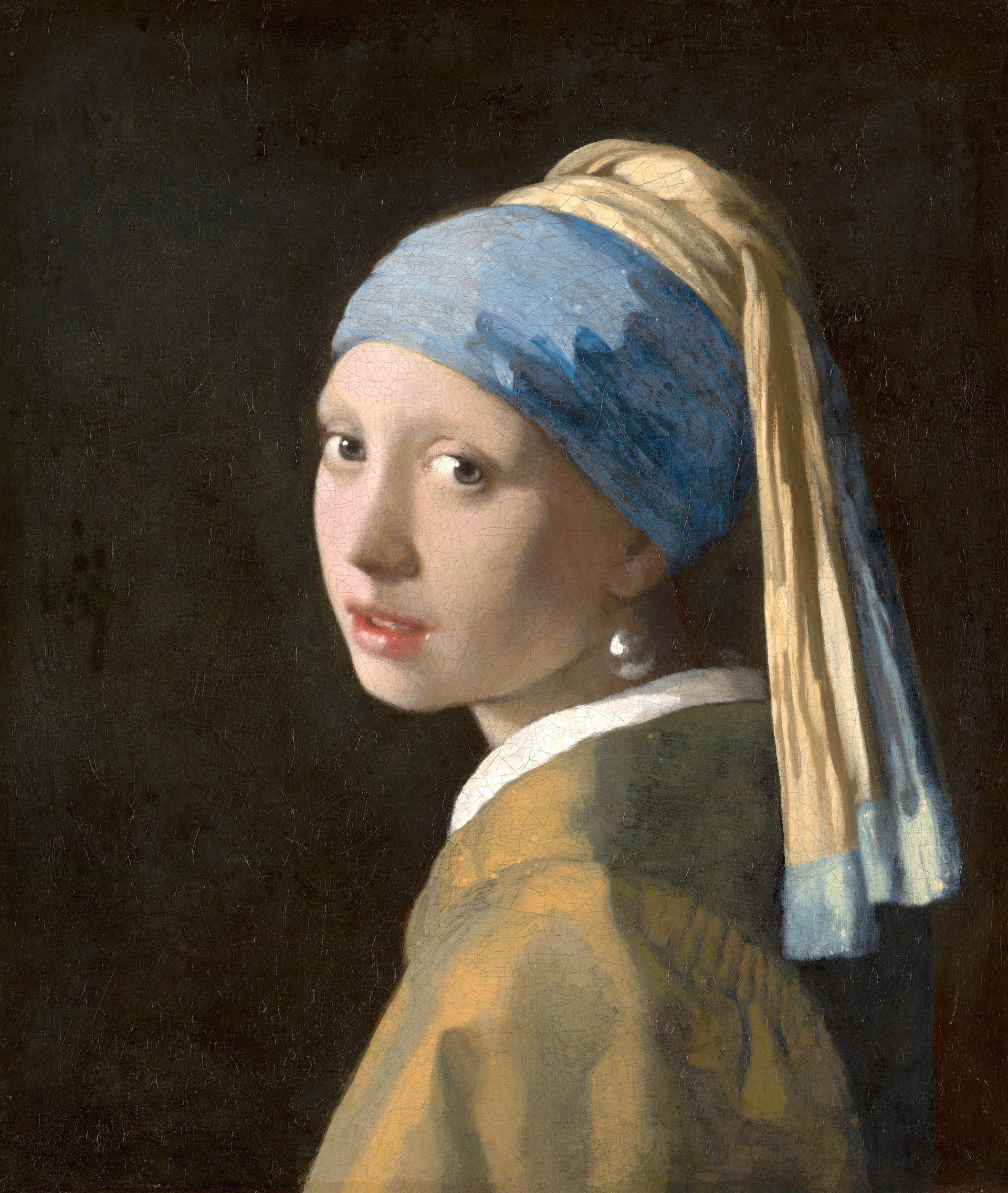
‘Girl with a Pearl Earring.’ Johannes Vermeer. c. 1665. This is Vermeer’s most famous painting. He was a master of light as captured by the softness of the girl’s face, the glimmers of light on her lips, and the shining dominant pearl. Credit: Mauritshuis, The Hague.