Literature’s Watery Depths
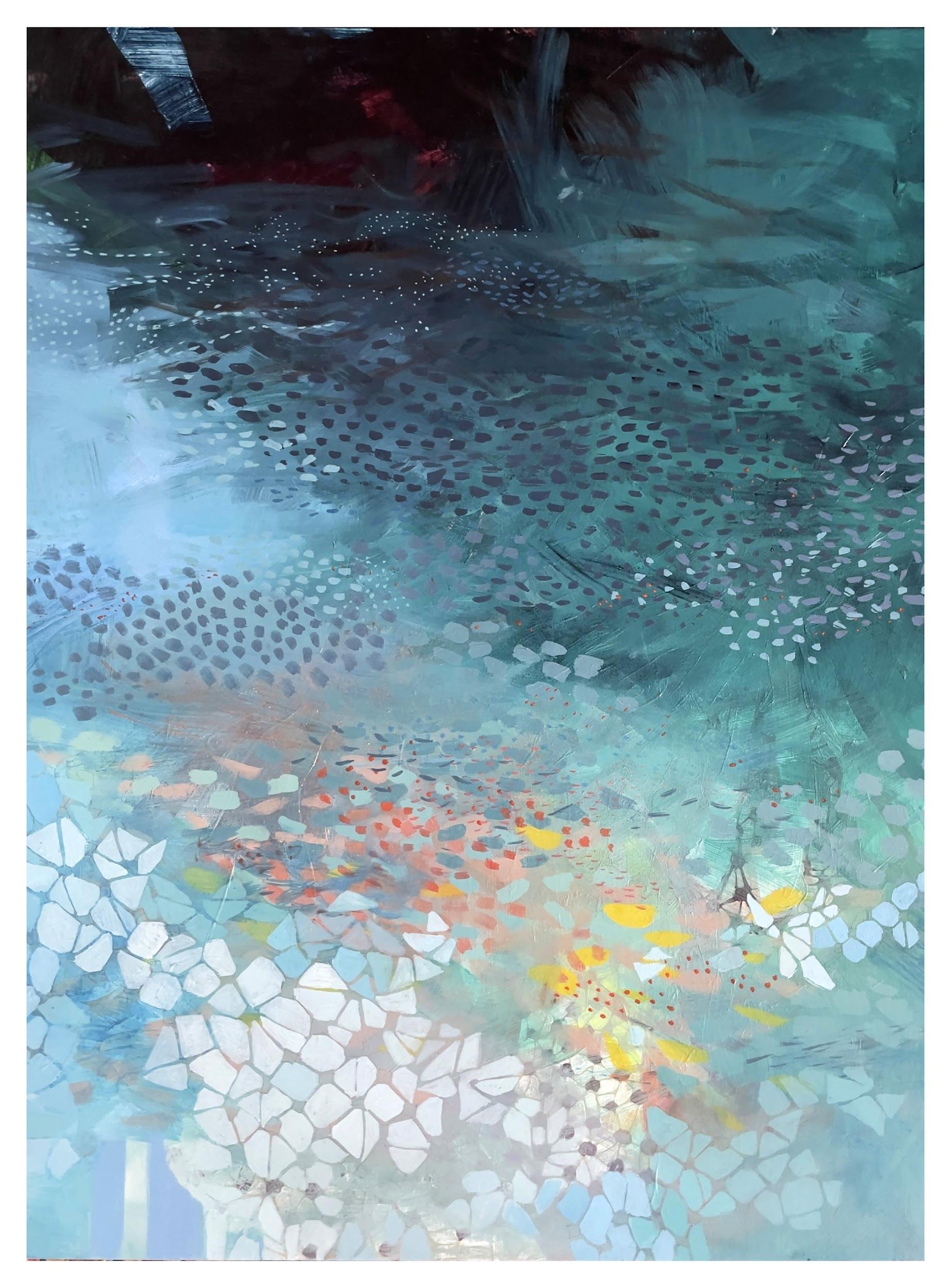
‘The Animal in Decorative Art [Das Thier in der Dekorativen Kunst].’ Anton Seder. 1896. Source: The Public Domain Review.
Many of literature’s oldest rhythms were born of our relationship to water. Rain incantations are some of the earliest recorded literary forms, as many ancient Egyptian and Mesopotamian poem-songs called on deities in the hopes they would send rain.
Water was also how early stories traveled, as it was often sailors who carried tales from one community to another. Interestingly, two of the earliest fictional narratives, Daniel DeFoe’s Robinson Crusoe and Ibn Tufayl’s Hay Ibn Yaqzan, are both desert-island stories.
Both the sea and the rain provide a sonic backdrop to many great literary works, from Shakespeare’s 17th-century play Twelfth Night, which repeats, “With hey, ho, the wind and the rain” to Badr Shakir al-Sayyab’s 20th-century Rain Song, where he returns to the invocation: “rain / rain / rain.”
Water, moreover, plays a new role in 21st-century literature, as climate change means an ever-greater threat of both flood and drought. Here, we journey over the watery landscape, from the rain that falls from above to the strangeness of the ocean far below.
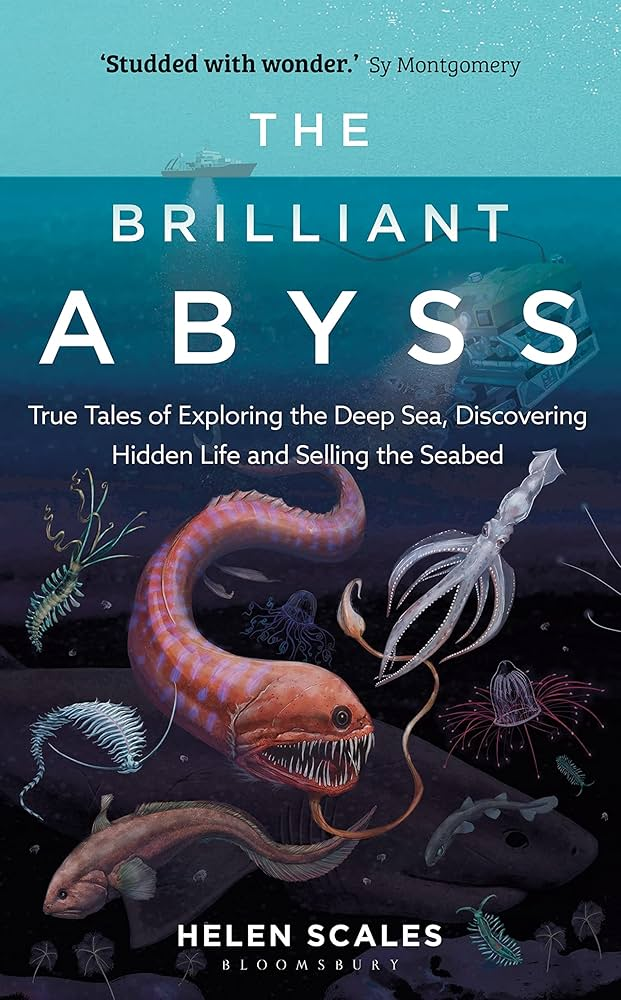
Our first stop is a scientific look at marine life. Although many of us know that oceans cover around 70% of the world’s surface, this book reminds us that more than 99% of the world’s livable space is underwater. And yet, to those of us who live above the surface, it remains largely a mystery. The book, part of Oxford University Press’s “Very Short Introduction” series, gives a clear and necessary overview of the diverse life forms in oceans and seas, as well as how the ocean depths connect to our daily lives.
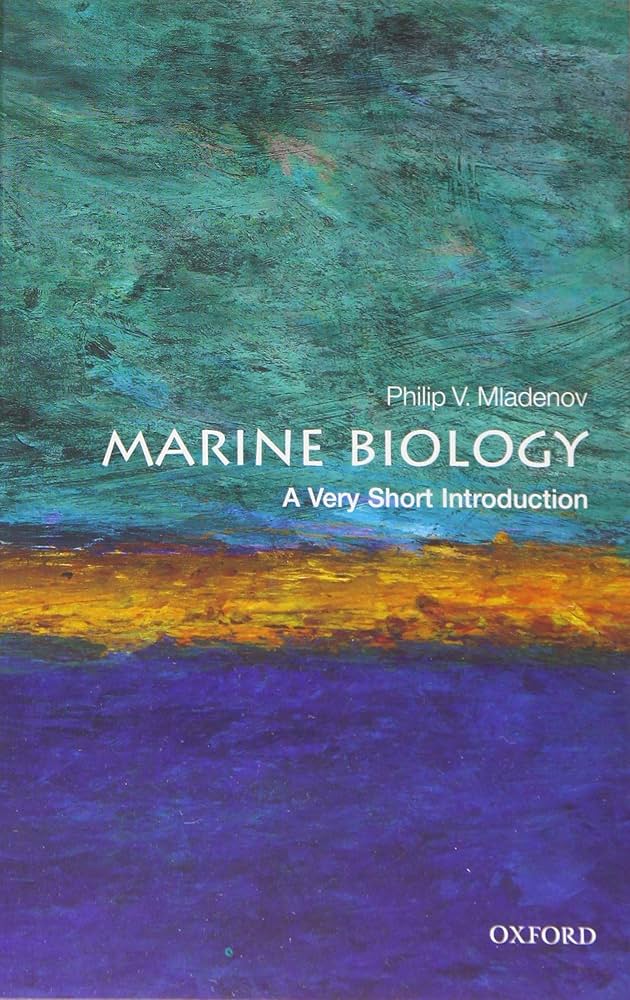
Although oceans have “always shaped human lives,” as Scales writes, we still know very little about the ocean’s furthest depths. Not long ago, humans thought that no life existed far beneath the ocean’s surface. Now, however, we know the dark deep sea is home to “countless unimaginable life-forms.” Scales provides an accessible introduction to these life-forms, in all their alien weirdness, as well as a look at how these distant systems affect our daily lives.
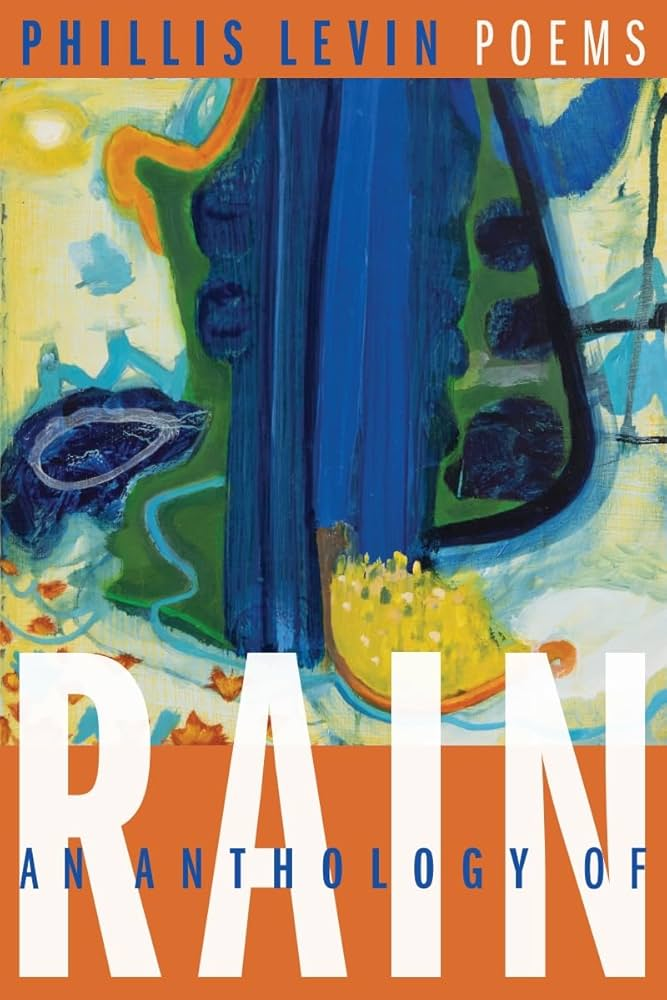
You can hear the beat of raindrops everywhere in this 2025 book, An Anthology of Rain. The collection performs the magic alchemy of all rain: “As air turns to water, water to air.” Here, we see rain in its many aspects, and we feel both a sense of awe and a scientific curiosity, as in the title poem, where raindrops chase each other to the ground: “In the passing of one drop / Gathering speed, one drop /Chasing another, racing.”
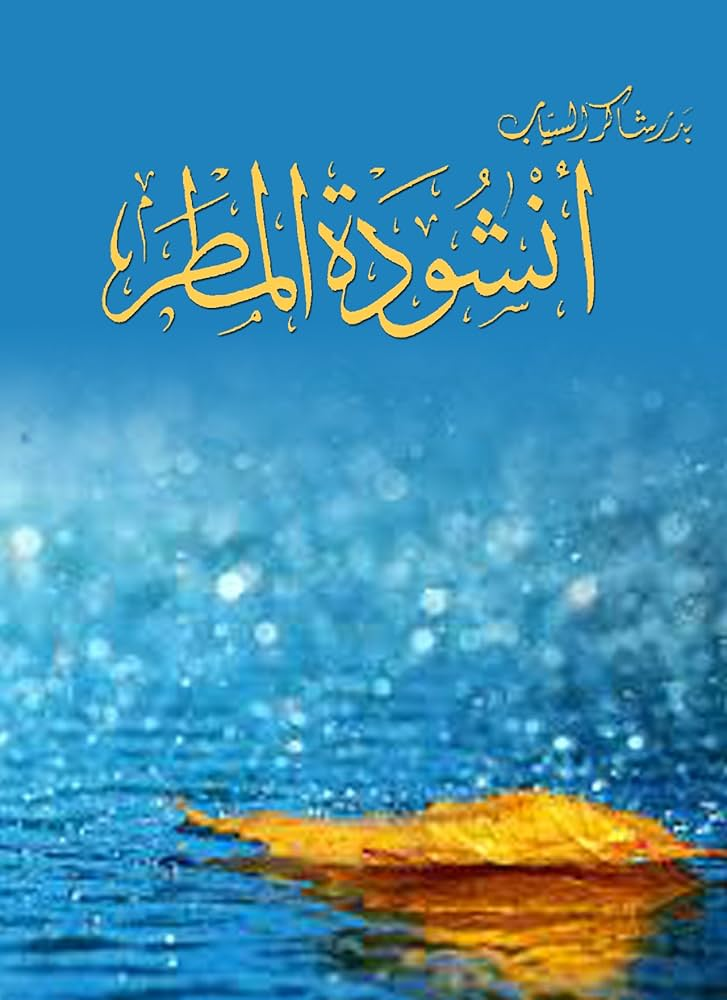
Badr Shakir Al-Sayyab’s Rain Song, originally published in 1960, is one of the great poems of the 20th century. It encompasses myth and song, as well as the rhythms of rain and the cycles of human life. The refrain of “rain, rain, rain” evokes farmers’ folk songs, while also mirrors cycles of sorrow: “Do you know what sorrow the rain brings? Do you know how gutters weep when it pours down? Do you know how lost a solitary person feels in the rain?”
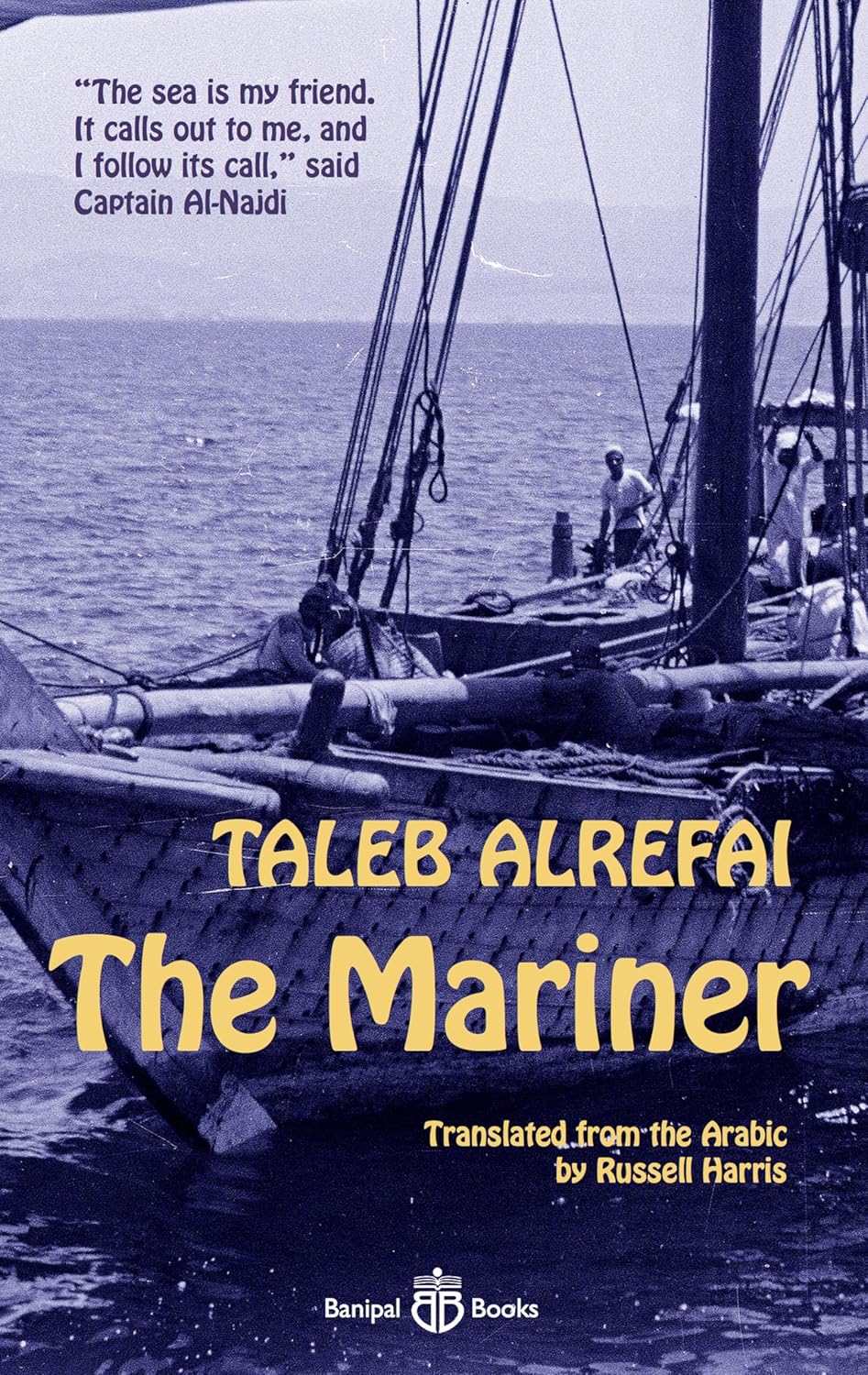
Globally, our relationship to the sea has changed drastically in the last century. The novel The Mariner shows us how these changes affected Kuwait in particular. The novel’s main story takes place in February 1979, when our protagonist, the elderly Captain Ali al-Najdi, goes out fishing with his friends and is caught up in a deadly storm. But it also takes us back through his memories of the early 20th century, contrasting the cement-block buildings of Kuwait in the late ‘70s with al-Najdi’s adventurous sailing life in the ‘30s and ‘40s.
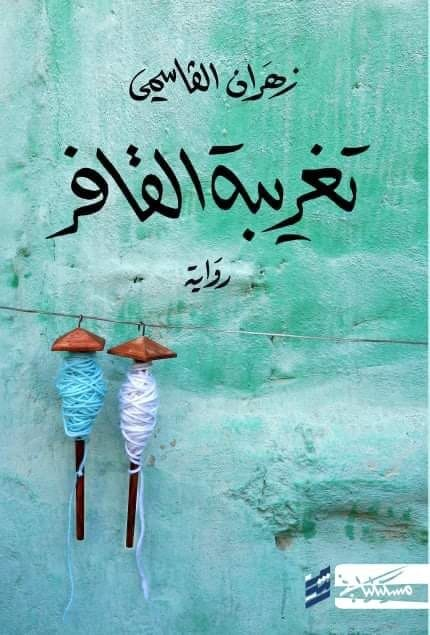
Omani novelist Zahran Alqasmi is one of the great chroniclers of the power of water in human lives and communities. This novel, winner of the 2023 International Prize for Arabic Fiction, is steeped in the history of the aflaj, an irrigation system deeply linked to village life in Oman. The protagonist in this delicate humanist novel tracks water sources deep beneath the surface of the earth. As he does, he discovers that the water he follows not only gives life, but also takes it away.
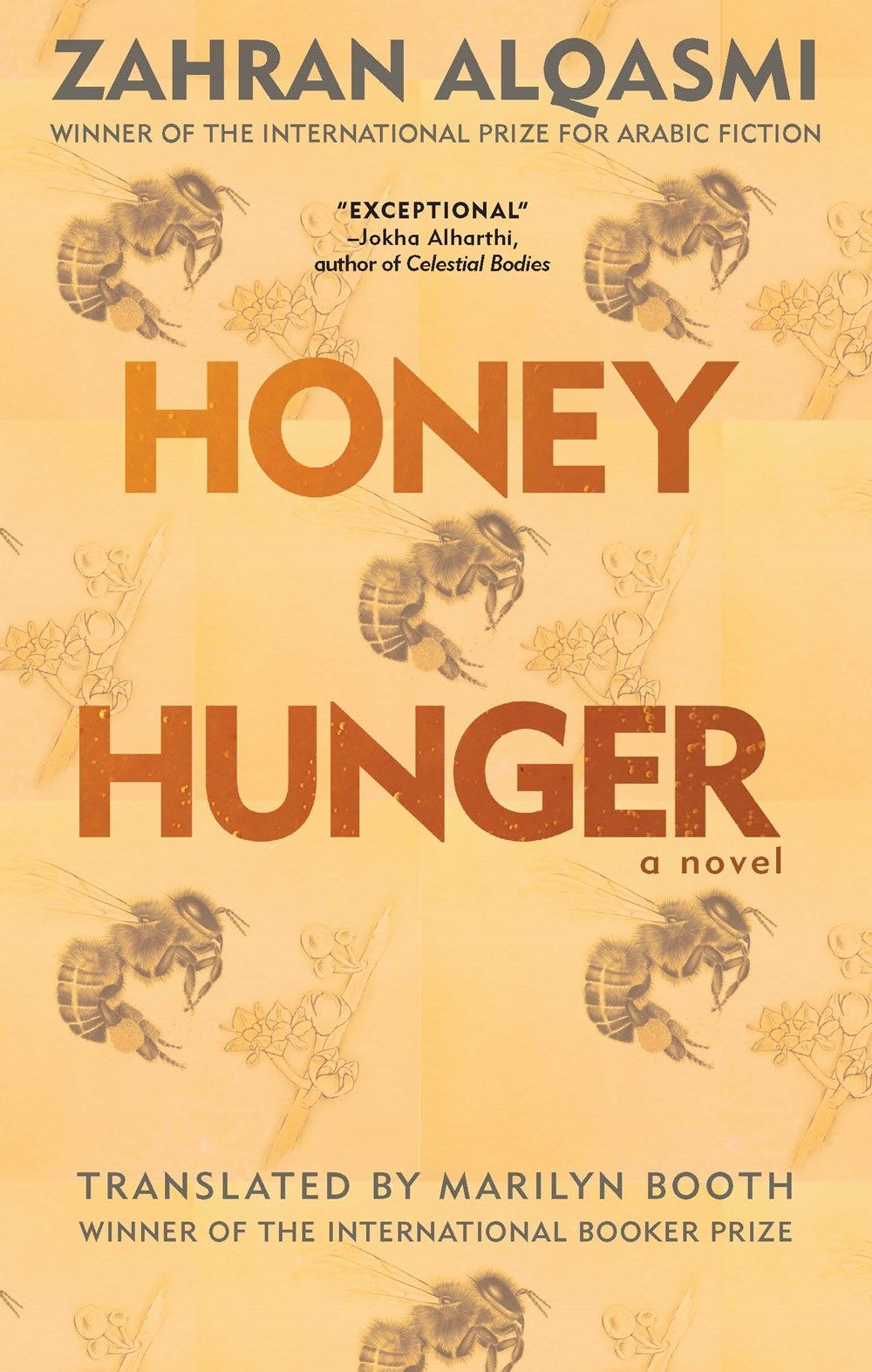
Another novel by the great Zahran Alqasmi, this one brings to the foreground bees, which Azzan (a beekeeper in rural Oman) both keeps and tracks in the wild. As we follow him through this delicate portrait of Oman’s natural landscapes, we see the power of water, both in the wild rainstorms that sweep away his bees, and in the mountain pools that attract them.
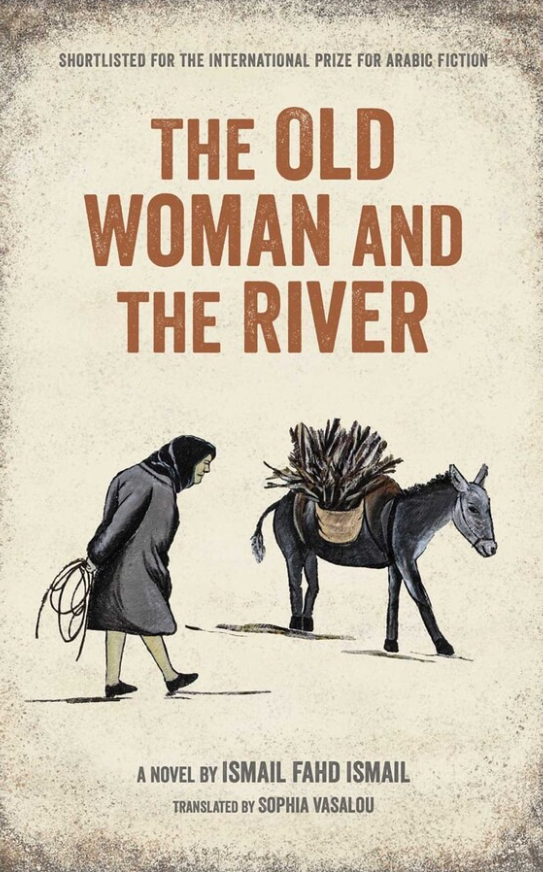
Set in the 1980s during the Iran-Iraq War, this magical-realist novel takes us to southeastern Iraq, along the shores of the Shatt al-Arab River. Here, because of the warring armies, date palm trees have withered and people and animals have fled. Yet there is one old woman named Um Qasem, and her trusty donkey, Good Omen, who risks her life to fix the river’s course and save a patch of date palms, a community of frogs, and other thirsty creatures. Here, we see that water is about more than just human needs.
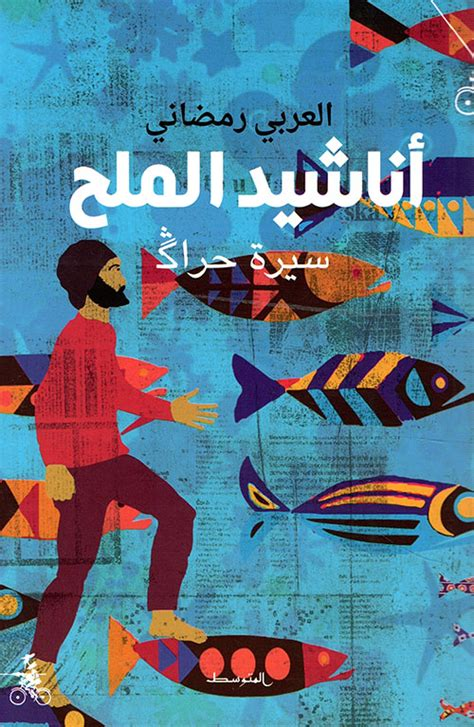
This rare autobiographical narrative of a Mediterranean migrant’s sea crossing tells the story of an Algerian man who pretends to be Syrian as he attempts to reach a new life and career in Europe. His book provides detailed descriptions of his experience as he survives the myriad terrors of the sea: from the wild weather and the greed of smugglers to the ruthlessness of police.
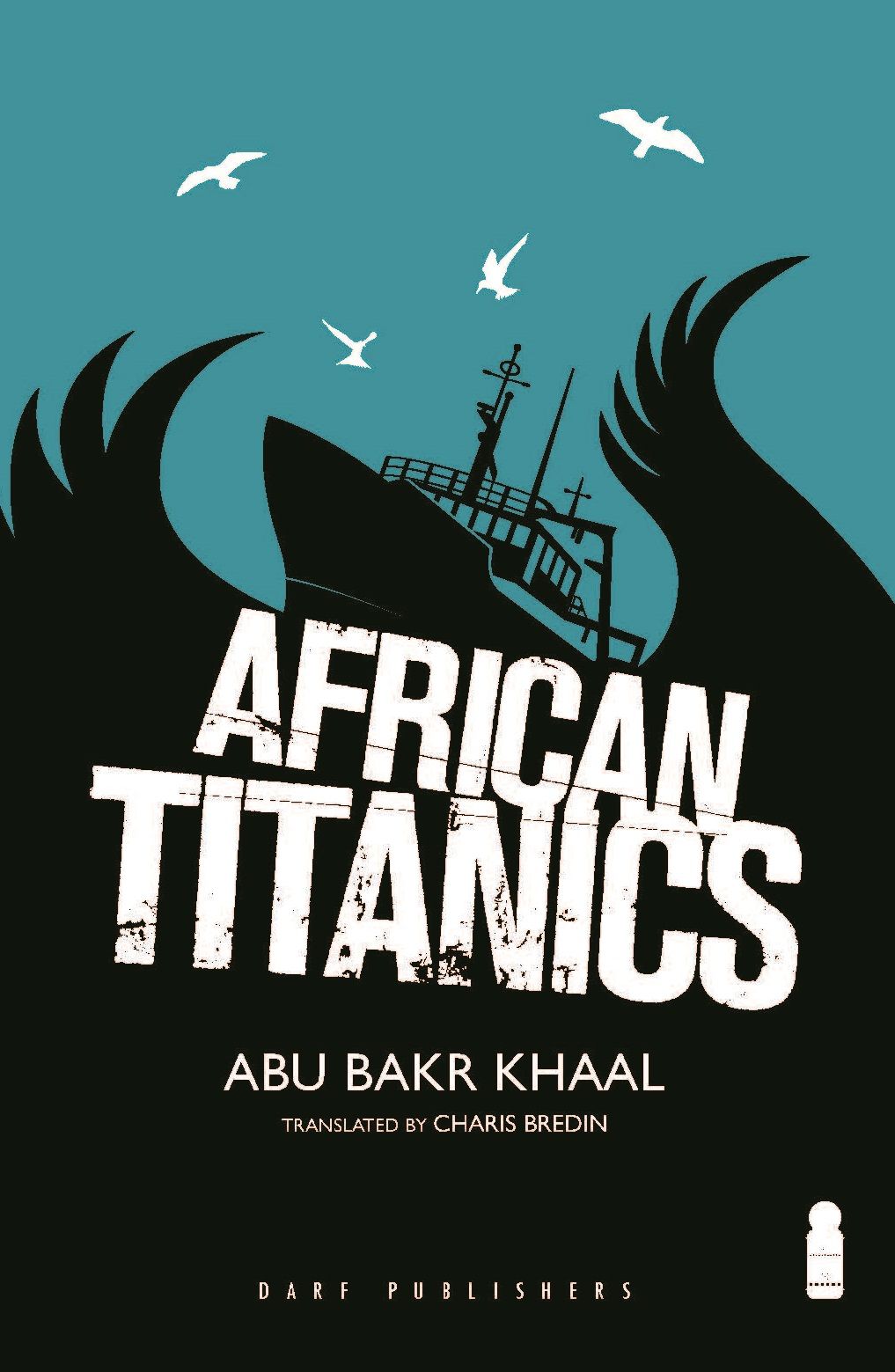
This brilliant and terrifying novel follows an Eritrean migrant named Abdar as he first crosses the “sea” of the Sahara Desert, which is dangerous because of the absence of water, and then the Mediterranean Sea, which is dangerous because of water’s abundance. A novel of both racing ahead and impatiently waiting, we bide our time with Abdar, as he swings between hope and terror. It is a stark reminder that, for some, modern sea crossings are just as fraught with danger as they were a thousand years ago.
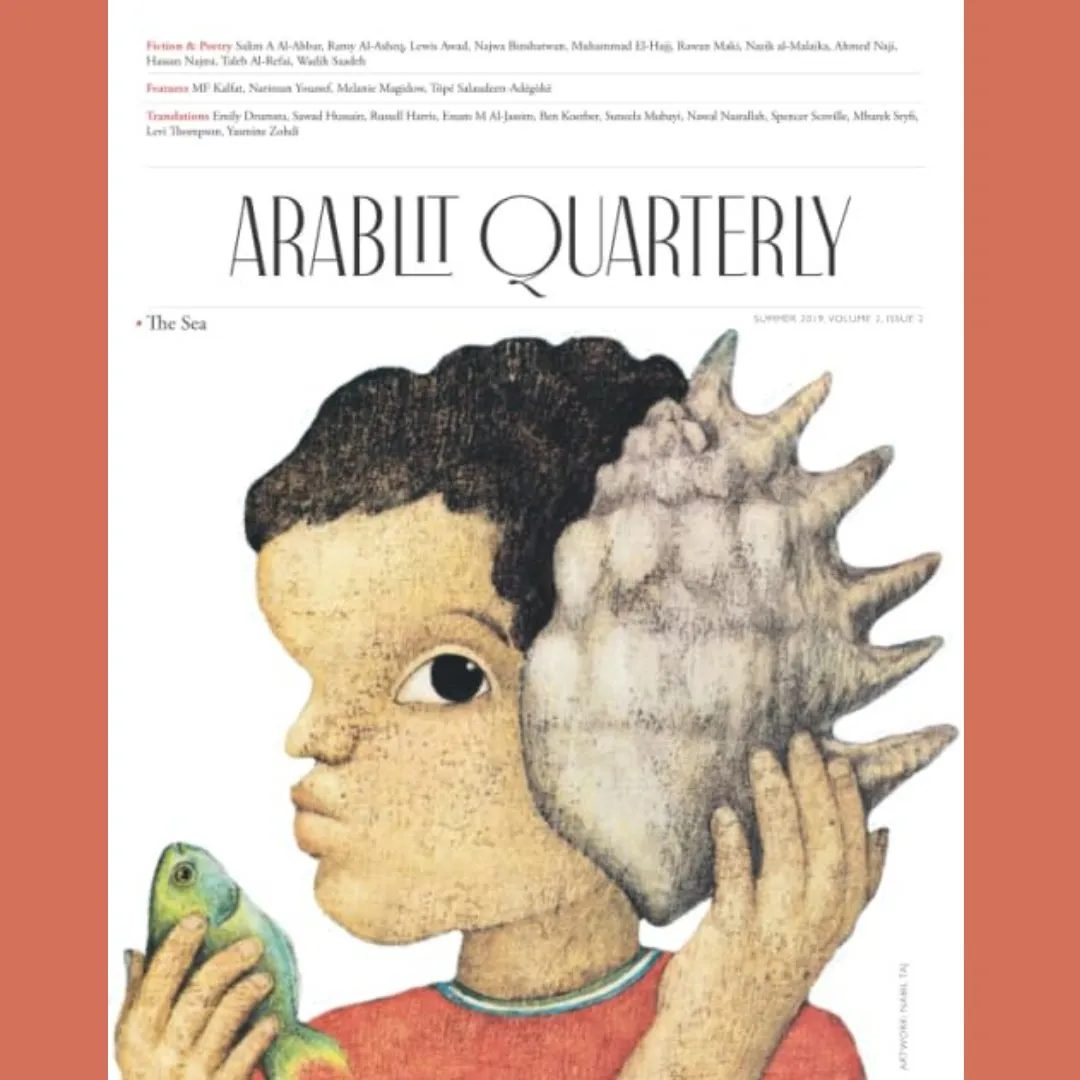
In this issue, the sea appears as a site of pleasure and of shocking violence. In addition to recent poetry and fiction that feature life on and alongside the sea, you can find the Moroccan malhun poetry sung by sailors, a collection of classic pirate argot, and a look at the sea in classic Arabic children's fiction. It includes poetry by Rami al-Asheq, Nazik al-Malaika, Wadih Saadeh and more, as well as works of fiction by Muhammad El-Hajj, Taleb Alrefai, and Najwa Binshatwan.
Rain is a blessing and a curse, a source of sustenance, danger, beauty and annoyance. This issue honors the many faces of rain, as well as its rhythms and power for poets, short-story writers, and anonymous supplicators. At the center of the issue, Salma Harland brings readers back to the earliest Arabic literature in “Making It Rain: Rain Deities in Pre-Islamic Arabia.” Meanwhile, there is a wide range of novelists and poets that address the driving power of rain, including Moroccan-Dutch poet Nisrine Mbarki, Saudi poets Ashjan Hendi and Muhammad Al-Turki, and Bahraini poet Wael Almahdi, who writes about Badr Shakir al-Sayyab’s unforgettable and aforementioned “Rain Song.”
To enjoy the borderless world of books, please visit Ithra’s Library and the Arablit website.