Many Faces of the Same Thing
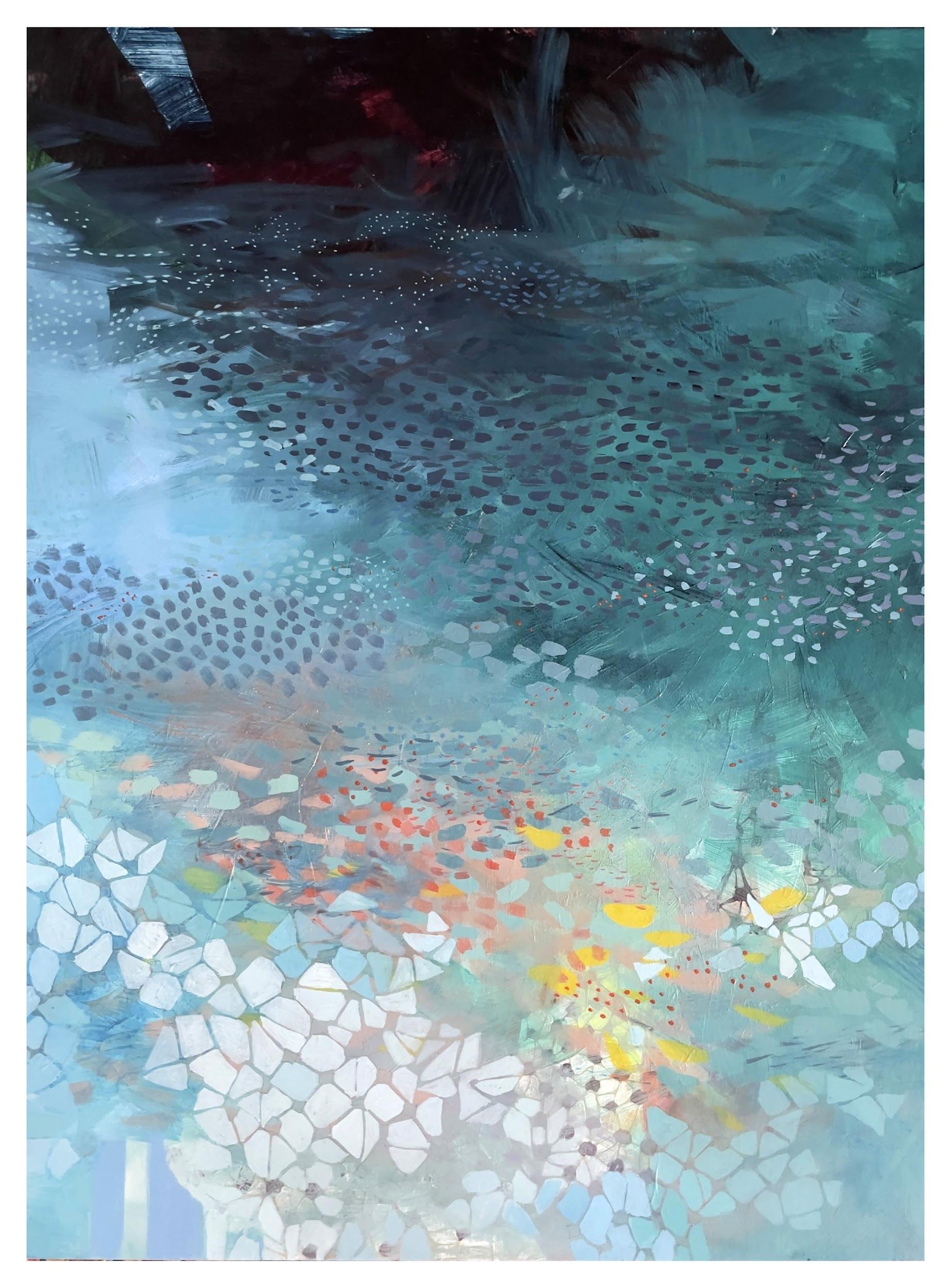
‘Unlived Fishing 29,’ by Mohamed Banawy. 2026. Fiberglass and wood, 140x140 cm. Courtesy of the artist.
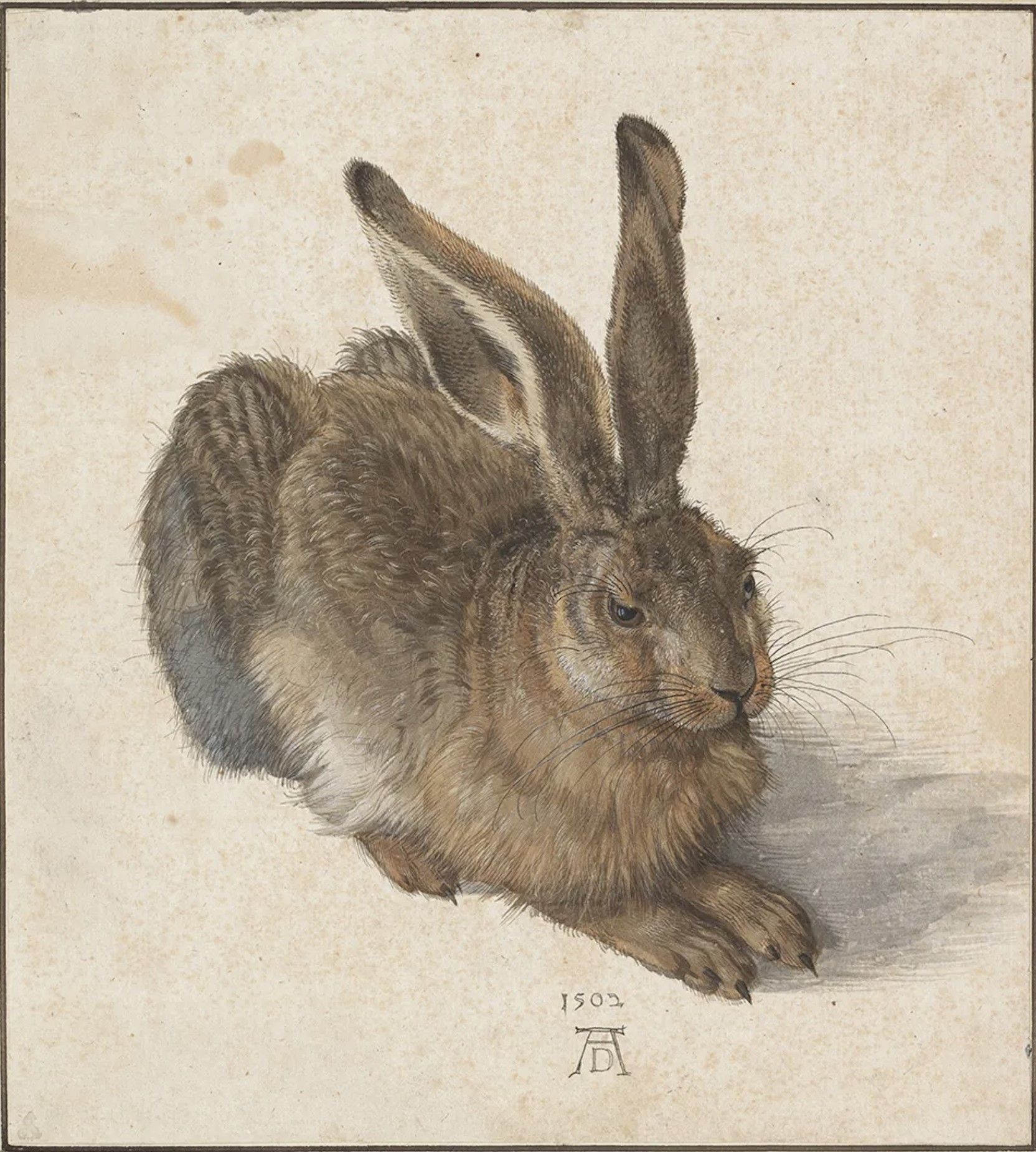
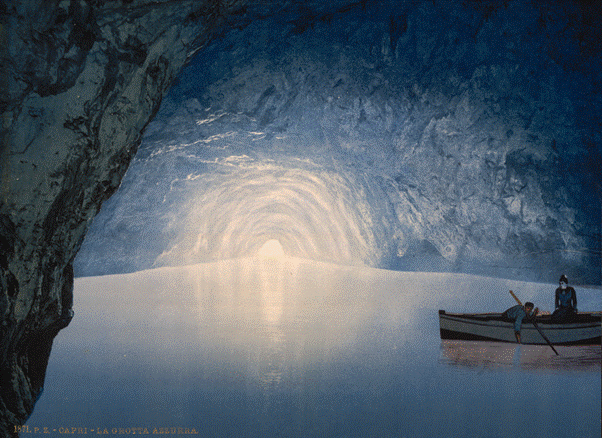
Water has always held diverse meanings and facets in human cultures. It is the origin of life, a means of purification in religious texts and ancient philosophies, a symbol of continuous transformation in physics and philosophy, and a raw material for contemplation and the reshaping of meaning in the arts. The ever-changing nature of water is evident in Heraclitus' famous saying, ‘You cannot step into the same river twice,’ and in the works of the Egyptian artist Mohamed Banawy, where water appears not merely as a visual element, but as a state of constant flow between memory and imagination.
In this interview, we delve into the experience of the visual artist Mohamed Banawy, who holds a doctorate in philosophy and is a lecturer of Fine Arts at Helwan University in Egypt, to discover his artistic world, his philosophy, and the significance of water within his works.
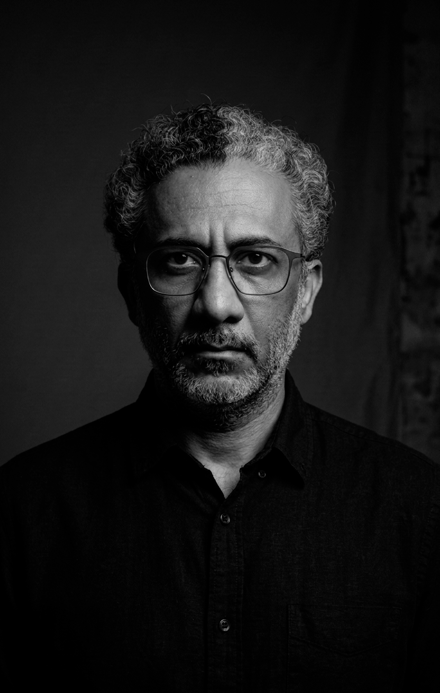
Mohamed Banawy. Courtesy of the artist.
Art is nothing more than an attempt to distill the world; it is the alternative language we speak when words fail to describe and express, the bridge that transcends continents and cultures, granting every individual the right to craft their own narrative of the world.
Art moves between feeling, imagination, and freedom. Sometimes it is a symphony, sometimes a painting, or even a flash of insight, but at its core, it remains an echo of our lives and a reflection of our feelings.
It is the safe haven we seek refuge in from the monotony and harshness of reality, a tool for confronting truth and understanding the depths of the human soul. It is a magic mirror that doesn't simply reflect our images, but allows us to see ourselves and the world from angles we could never have imagined.
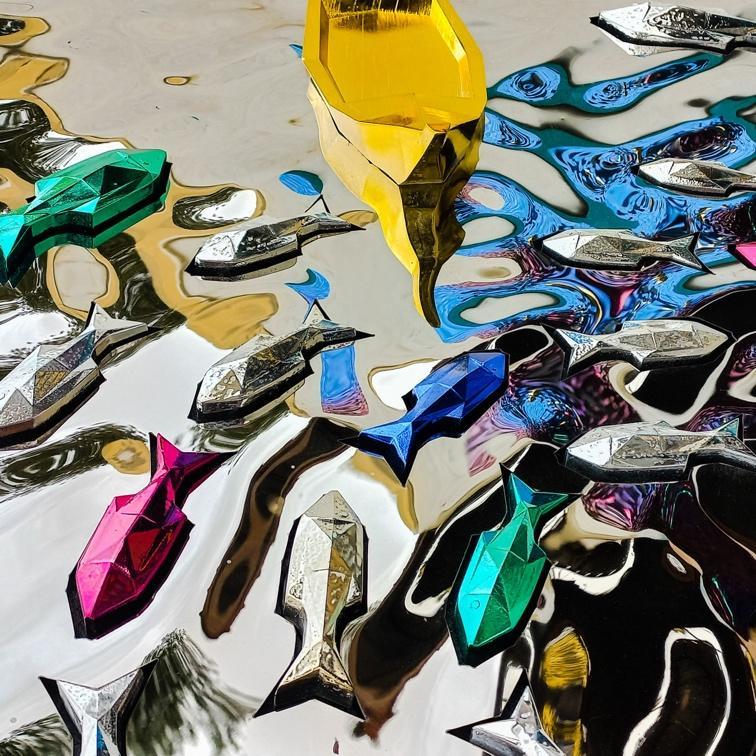
‘Detail 1 from Unlived Fishing 24.’ Mohamed Banawy. Courtesy of the artist.
My artistic style is based on free experimentation and continuous shaping, where experimentation forms an essential part of my work, both in terms of form and technique. I work on deconstructing and reconstructing traditional relationships between materials, giving each piece a new character resulting from the interaction of the materials with the idea. For me, a work of art is not a final result, but rather an ongoing process of discovery and development.
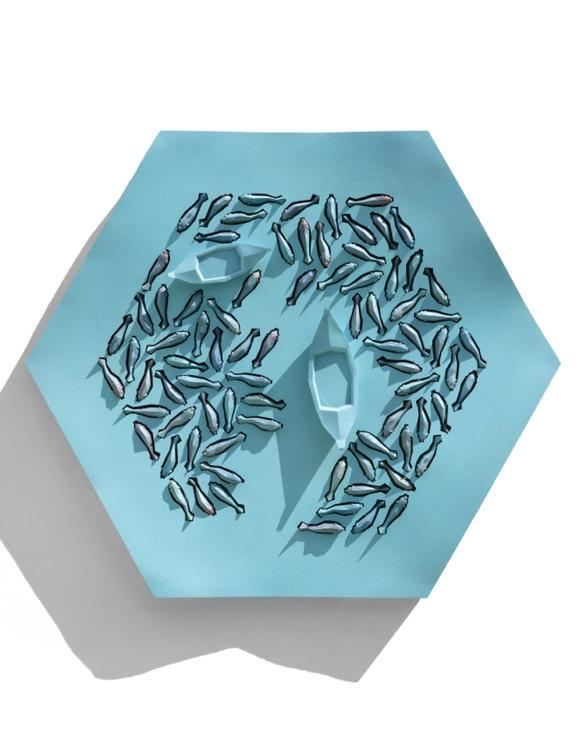
‘Unlived Fishing 14.’ Mohamed Banawy. 2026. Fiberglass and wood, 130 x 150 cm. Courtesy of the artist.
If the idea is based on deconstruction and reconstruction, time, or multiple perspectives, then mosaic becomes a powerful choice. This is because, by its very nature, it is built from small pieces that come together to form a larger meaning, conveying a sense of accumulation, patience, and sometimes even memory. However, if the idea demands a direct physical presence—mass, shadow, and a relationship with space—then sculpture is more suitable. Sculpture imposes itself on the space, allowing the viewer to move around it and experience it from multiple angles.
There is also an important sensory aspect: mosaic is closer to a surface work, even if it is slightly raised, and relies heavily on light and color. Sculpture depends on volume, weight, texture, and the dialogue between mass and space. As for personal expression, I don't adhere to a single medium permanently.
But the most important question isn't “Which expresses me best?” as much as it is “Which serves this idea best at this moment?” Sometimes the idea itself dictates its medium, and sometimes experimentation reveals the path.
When I consider choosing between mosaic and sculpture, I don't see them as entirely equal options, because I feel a deep attraction to mosaic. For me, it's not just a technique, but a way of seeing the world itself. Mosaic is closer to my artistic language because it's based on the idea that meaning doesn't arise from a single element, but from the combination of seemingly simple, yet juxtaposed pieces that create a deeper and more complex image. I don't simply place the pieces; I try to recapture this cosmic order, how differences coexist, and how contradiction creates harmony.
However, I don't see sculpture as a distant option. I resort to it when the vision demands a direct, tangible presence, or when an idea needs a mass to fill the space and engage in a living dialogue with the place and the viewer. In these moments, sculpture becomes a necessity, not just an alternative.
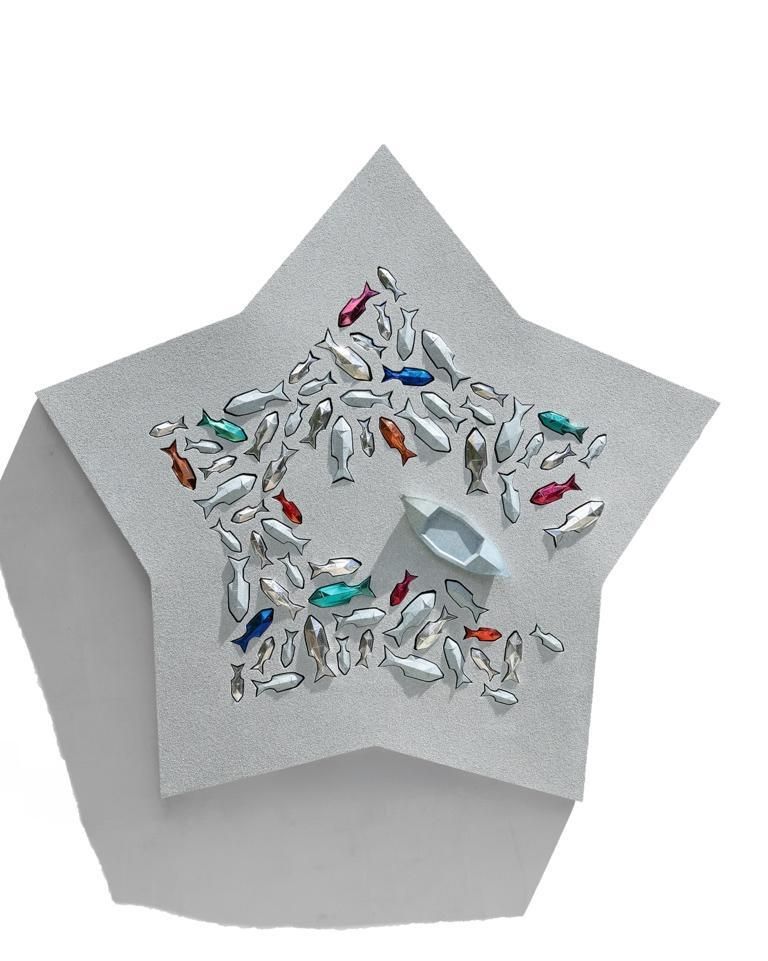
‘Unlived Fishing 16.’ Mohamed Banawy. 2026. Fiberglass and wood, 141 x 149 cm. Courtesy of the artist.
For me, water is not merely a natural element, but a state of feeling, an open-ended concept that combines change and continuity, purity and the unknown.
Its presence in my recent works is linked to its ability to express inner states and to unlock concepts such as dissolution, vanishing, and rebirth, reflecting the idea of a shifting identity.
Visually, water imbues the work with a dynamic life, as if keeping the image in a state of constant flow. In short, water at this stage is not a subject, but a language. For me, water is not simply a natural element, but a surface for vision before it is a substance, an open space between memory and absence.
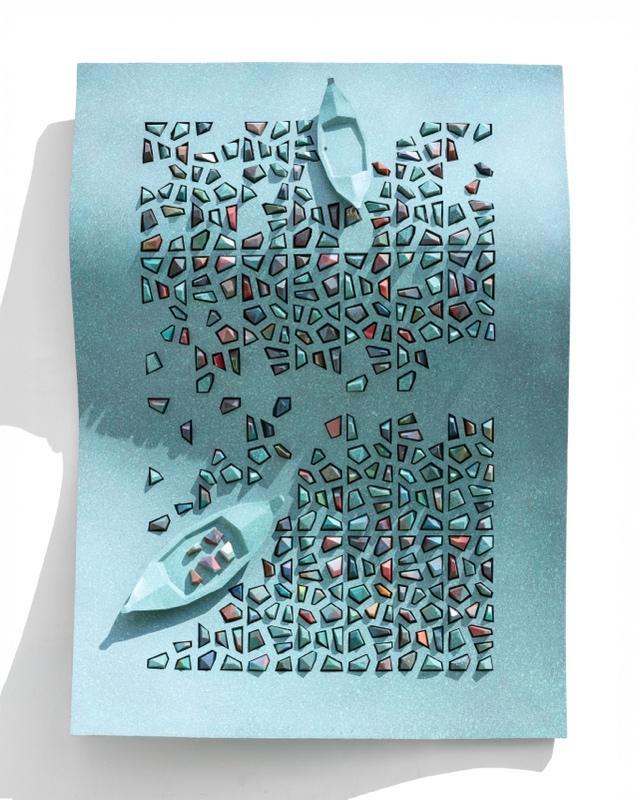
‘Unlived Fishing 26.' Mohamed Banawy. 2026. Fiberglass and wood, 140 x 100 cm. Courtesy of the artist.
In my latest exhibition, the journey began on the water's surface, aboard a boat, in search of what we have lost, or perhaps to reconnect with the past through movement on the water. This surface is not static; rather, it transforms into a realm where memory and imagination intersect, as if every crossing is an attempt to grasp a distant, lost trace of an unlived dream.
On this surface, elements appear, inlaid like a geometric mosaic of abstract forms. Sometimes they take shape in a context and form reminiscent of Islamic mosaics, or like schools of fish, precious stones, or fragments of gold, but they remain suspended between reality and suggestion, like signs of something unfolding, yet not being resolved.
In this sense, the water's surface in my work becomes not merely a visual object, but a structure for searching for absence, for what can float from memory into the light.
Water is present in my work as a space of absence as much as it is a presence. In my latest exhibition, I returned to the sea not as a fisherman, but as a listener. My repeated attempts at fishing failed, and I never had enough time to experience it properly, so I remained on the sidelines, collecting stories.
The fishing trips I didn't participate in, I experienced through the accounts of family and friends; details passed down, memories borrowed, and images formed more in the mind than seen. In this sense, the sea wasn't a place, but a narrative composed of the voices of others.
My work attempts to capture this tension between experience and imagination, between what is lived and what is narrated. Water here is not merely a visual subject, but a medium for listening, a mirror to a memory that wasn't entirely mine, yet became a part of me.
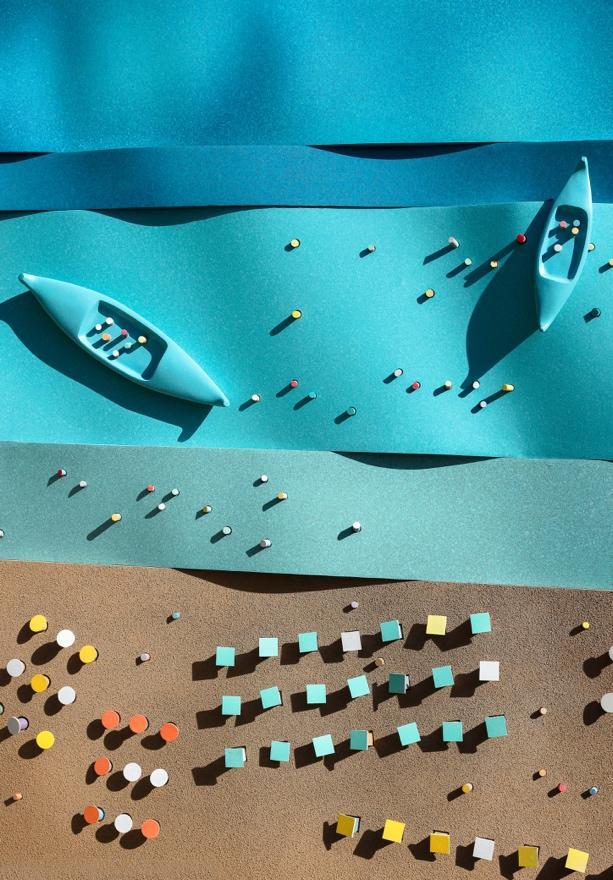
‘Detail 1 from On the Beach 19.’ Mohamed Banawy. Courtesy of the artist.
There is a reciprocal relationship between teaching and artistic practice, rather than two separate paths. Practice gives me questions, while teaching compels me to deconstruct these questions in simpler, clearer formulations, as if I'm returning to the essence of the idea each time from a different angle.
In the studio, I work intuitively and experimentally, but in the classroom, I have to explain what is unseen: Why does an idea take shape? How does it transform into an image? This creates a critical distance from the work and increases my awareness of the visual and intellectual decisions I make.
In other words, I can say that the experience of teaching has changed my view of the artist's role; it is no longer limited to production but extends to opening new avenues of vision and thought.
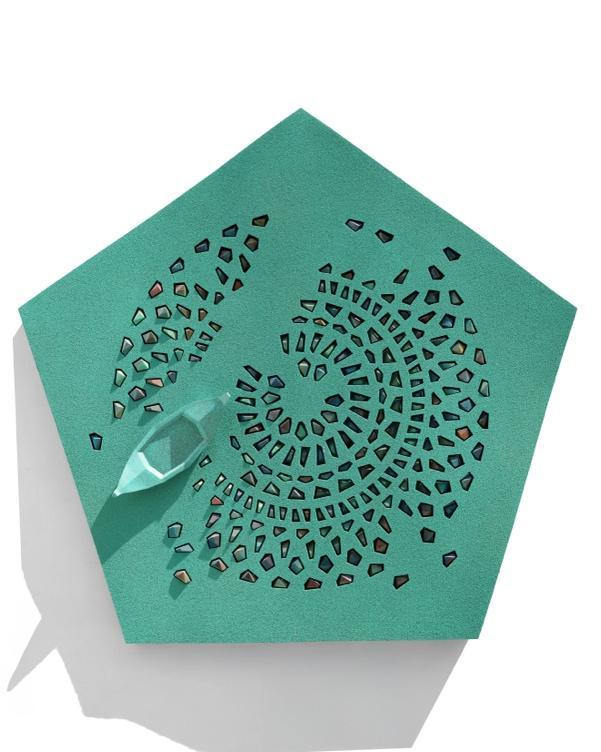
‘Unlived Fishing 3.’ Mohamed Banawy. 2026. Fiberglass and wood, 141 x 149 cm. Courtesy of the artist.
The presence of the Egyptian environment and culture in my work is not an added element, but rather an integral part of the visual and intellectual framework within which I operate. We Egyptians are connected to multiple layers of history and culture, from ancient Egyptian civilization to the diversity of the contemporary environment, and this breadth is naturally reflected in our way of thinking and artistic expression.
In my work, this connection manifests as a kind of reinterpretation of symbols, not their reproduction, because I don't treat this heritage as a closed historical reference, but rather as an open space for interpretation and reconstruction. Here, ancient symbols blend with a contemporary visual sensibility to create a personal language that draws upon cultural depth without being bound by it.
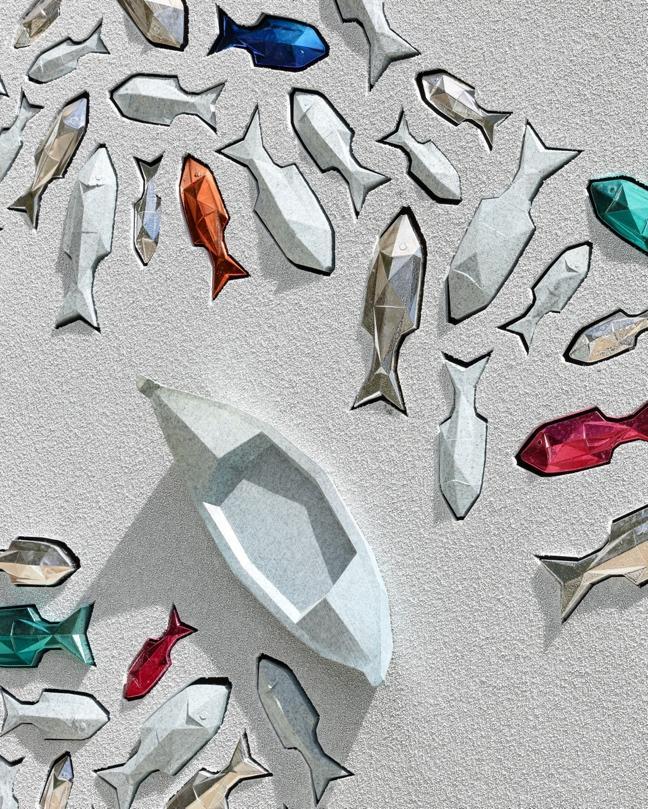
‘Detail 1 from Unlived Fishing 16.’ Mohamed Banawy. Courtesy of the artist.
Art is powerful in what it can hint at or leave open-ended, but it cannot state the truth directly or definitively. It doesn't offer a complete answer, but rather creates a state of approaching meaning without fully possessing it.
There are also things that art remains incapable of fully grasping, such as pure inner experience. It can attempt to translate it, to give it a visual or emotional form, but it cannot convey it as it is.
It is a space for ambiguity more than a space for declaration. It doesn't say everything, but leaves what cannot be said present indirectly, and this deliberate silence or incompleteness is an essential part of its power.
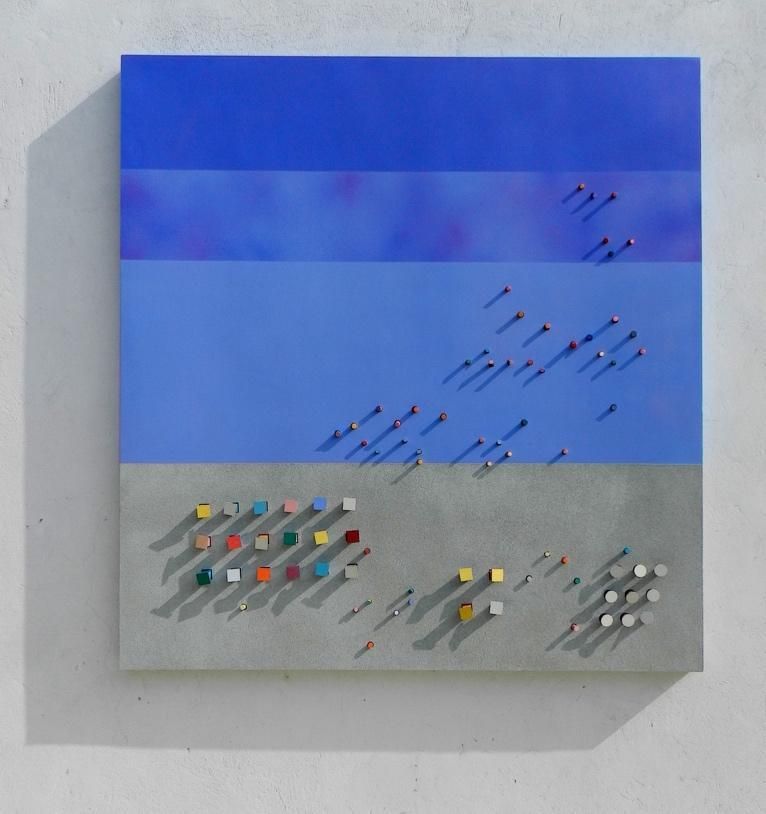
‘On the Beach 11.’ Mohamed Banawy. 2021. Fiberglass and wood, 150 x 140 cm. Courtesy of the artist.
I hope the audience doesn't approach the works merely as a seascape or a beautiful scene, but as an entry point into an inner quest, sensing that the surface of the water is not as tranquil as it appears, but a delicate layer between the present and memory. A place where what we thought was lost, or what we can no longer name, can float. I want them to follow the feeling of "the journey" more than the idea of arrival; as if they were on a vessel moving over something unstable, yet simultaneously familiar.
I also hope that the elements that appear as a geometric mosaic, those shapes that oscillate between being fish, precious stones, or treasures, evoke a kind of visual hesitation: Are they real objects or traces of memory? This hesitation is the essence of the experience for me.
Ultimately, what I aspire to is for the viewer to leave with the feeling that water is not only outside the painting, but also within it: as a state of thought, and as a potential space for recovering what cannot be recovered directly, but only through sensation.
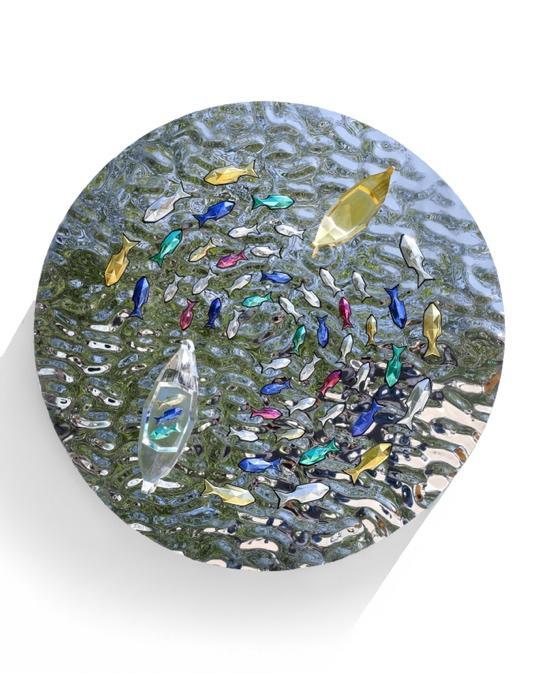
‘Unlived Fishing 24.’ Mohamed Banawy. 2026. Fiberglass and wood, 120 x 120 cm. Courtesy of the artist.
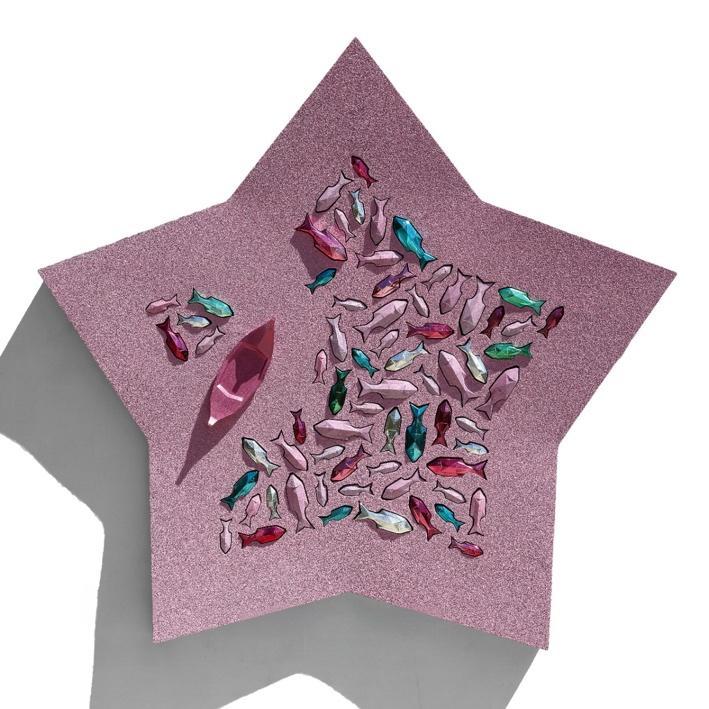
'Unlived Fishing 17.’ Mohamed Banawy. 2026. Fiberglass and wood, 141 x 149 cm. Courtesy of the artist.
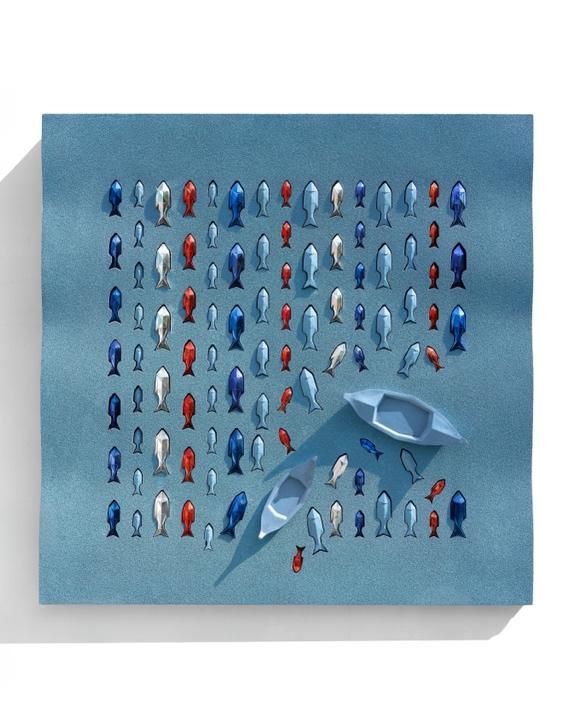
'Unlived Fishing 20.’ Mohamed Banawy. 2026. Fiberglass and wood, 140 x 100 cm. Courtesy of the artist.
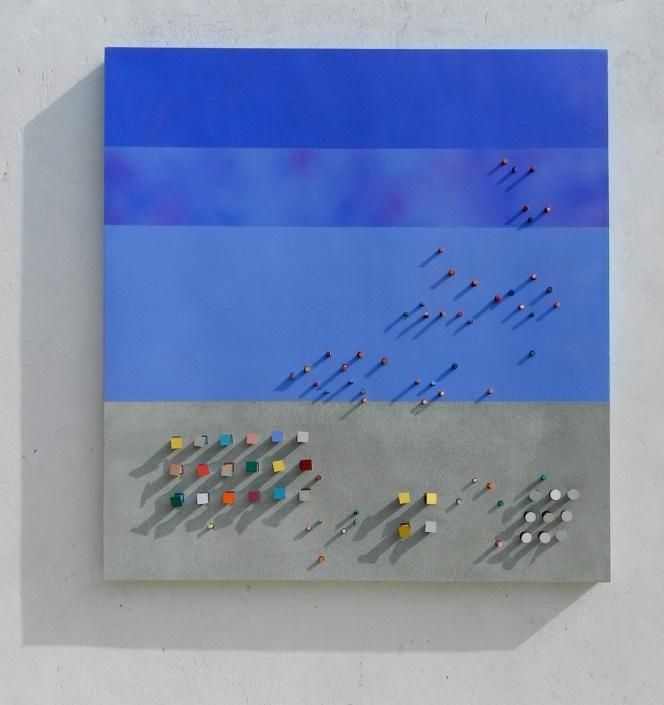
'On the Beach 11.’ Mohamed Banawy. 2021. Fiberglass and wood, 150 x 140 cm. Courtesy of the artist.
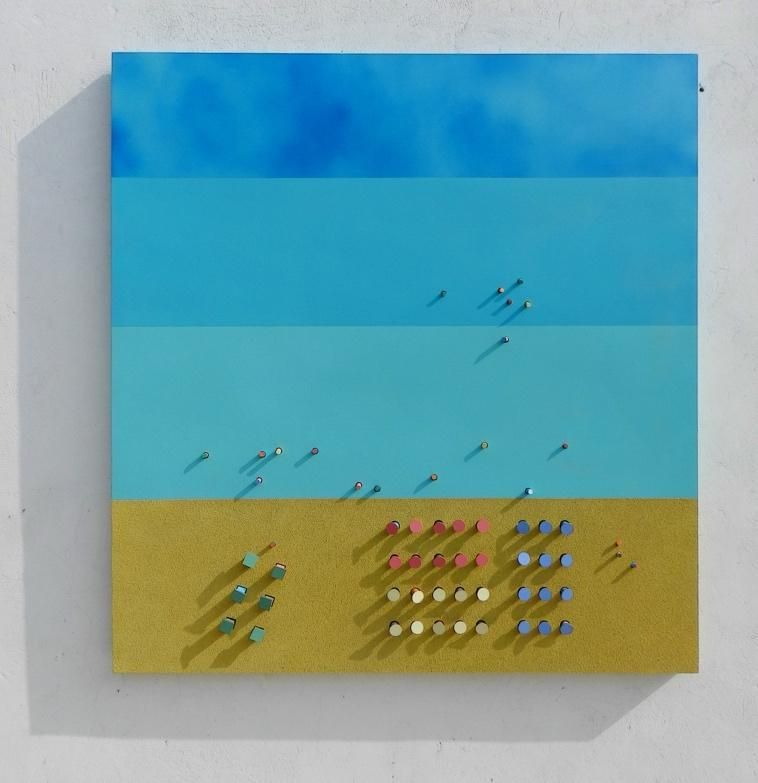
‘On the Beach 13.’ Mohamed Banawy. 2021. Fiberglass and wood, 150 x 140 cm. Courtesy of the artist.